FAQ Page
Our sustainable
future together





Everything You Need
Frequently Asked Questions
What is Imperium Fiber?
Imperium Fiber is Heartland's American hemp textile fiber for yarn and fabric — a nylon and polyester alternative for apparel, sportswear, and swim. Heartland grows and engineers the fiber; order product at imperiumfiber.com. Company and science live on heartland.io under Imperium Fibers.
Is Imperium Fiber a nylon alternative?
Yes. Brands search Nylon Imperium when they want hemp yarn and fabric that take nylon's jobs — strength, quick-dry, swim, and activewear — without petroleum filament or microplastic shed. Spec and samples: imperiumfiber.com. Definition page: /sustainability-news/nylon-imperium.
What is hemp and Tencel (lyocell) fabric?
A blend of Imperium hemp with lyocell (Tencel is Lenzing's lyocell brand). Heartland's mill spec is 20–50% Imperium hemp, balance lyocell, in 16s–40s for knit or woven. Soft hand from lyocell, strength from hemp, no nylon required.
Where do I buy Imperium Fiber yarn and fabric?
Product, samples, and volume orders: https://imperiumfiber.com. For company programs and supply-chain questions, use the Heartland contact form or the Imperium Fibers, Yarn, and Fabric pages on heartland.io.
What is wellness fabric?
Wellness fabric is plant-based cloth for garments and home textiles that sit on skin — no plastic microfiber shed, no pesticide-grown inputs. Imperium Fiber is the world's first wellness fabric. Definition: /sustainability-news/what-is-wellness-fabric. Journal: https://imperiumfiber.com/learn/.
What is wellness yarn?
Wellness yarn is the plant-based cone a mill knits or weaves. Counts differ by category: 40/2 hemp-lyocell for activewear and swim, US hemp with Supima for sheets, 24s hemp/wool for outerwear. Definition: /sustainability-news/what-is-wellness-yarn.
Where is your hemp grown?
Today, our hemp fiber is grown in Michigan and across a contracted US grower network spanning multiple states. We also purchase bales of hemp off the spot market through a reliable QA / QC process.
How can I get sample materials?
For textile fiber, yarn, and fabric samples, start at imperiumfiber.com or fill out the Heartland contact form. For plastics additives and fillers, use the contact form so we can determine if sample materials are appropriate.
What raw materials can Heartland's additives be used in?
So far, companies have used Heartland's materials as additives in plastic, rubber, foam, asphalt, concrete, paper, and ceramic — and Imperium Fiber in yarn and fabric for apparel. Every day we get new ideas and projects in our inbox. Feel free to reach out to see if your application is a fit.
How does Heartland work with brands?
Heartland works with brands and their suppliers to embed natural fibers into their supply chain — textiles via Imperium Fiber, and plastics via drop-in fillers and masterbatch — to reduce cost, weight, and carbon footprint without retooling costs.
What is Heartland's USDA Grant for?
Heartland's first USDA grant is a 3-year program called 'Hemp4Soil' that aims to study industrial hemp, regenerative agriculture, and carbon sequestration.
Does Heartland have a lifecycle assessment?
Yes. Heartland published the Imperium Farming LCA (farm-to-filler boundary) with third-party verification. That ISO 14040 number applies to Imperium Filler for plastics — do not stamp it on a garment. See /lca.
Is Heartland building an industrial hemp supply chain near me?
Heartland is partnering with global brands and suppliers to support local farming and local manufacturing. We are open to strategic partnerships when and where it makes sense.
Is Heartland currently working with any other natural fibers?
Today, Heartland's go-to high-performance natural fiber is industrial hemp. Textile programs often blend Imperium with lyocell (Tencel), flax linen, or silk at the mill. As time and locations expand, we will integrate other materials into our products.
Can I farm for Heartland?
Potentially. Please reach out on our farming page so that someone from the Heartland team can connect with you.
How does Heartland's USDA Biopreferred certification impact partners?
The USDA biopreferred program is for government-mandated purchasing. Since Heartland's materials are certified, Heartland's customers can apply for biopreferred contracts (as long as Heartland's materials make up more than 22.5% of the compound).
What is industry 5.0?
The 5th industrial revolution is about embedding sustainability throughout the value chain.
What does 'sustainability without compromise' mean?
Typically, with bio-based materials, there is a sacrifice that brands and suppliers make. Sustainability without compromise is about maintaining performance properties without compromising strength, weight, or price.
What is Sustainable Material Innovation?
Sustainable Material Innovation (SMI) focuses on the development of lower-carbon-footprint materials, component parts, and end products.
Are Heartland's hemp additives compostable?
By themselves, hemp fibers are compostable and biodegradable. But, the compostability of plastic will always depend on the resin, not on the additive. Imperium Fiber textiles are cellulosic and do not shed synthetic microplastics.
Are Heartland's hemp additives recyclable?
Heartland's additives can be picked up by infrared sensors currently being used in Material Recovery Facilities (MRF's) and other recycling facilities.
Does Heartland sell carbon credits?
Not yet. Heartland's USDA program is creating unprecedented insights specifically for agriculture-focused carbon data. These data points will be used to create America's leading agriculture carbon credit market. Please reach out to our team if you are interested in carbon credits.
Related Articles
All news →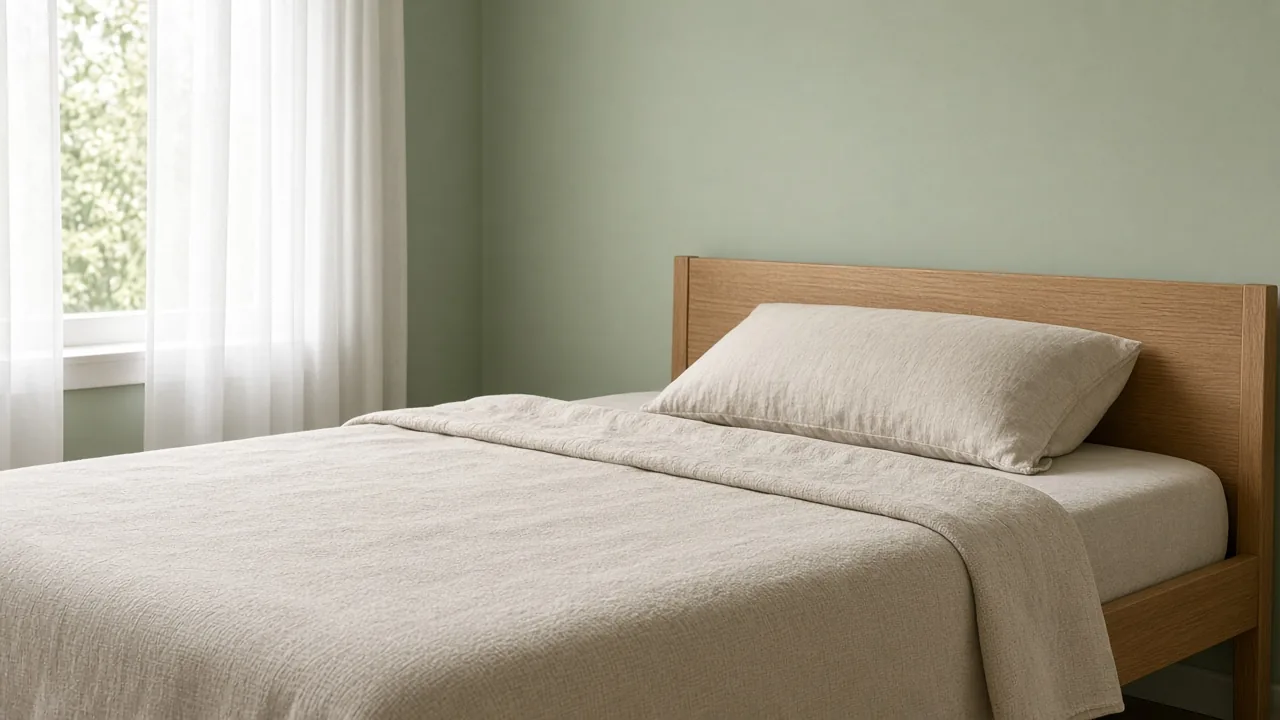
textilesimperiumwellness
Can Natural Fiber Bed Sheets Improve Your Sleep & Health?
Can natural fiber bed sheets improve sleep and health? A warm-room nap found less light sleep on linen than on cotton with a polyester pad. No hemp-sheet trial exists.
textilesimperiumpolyester
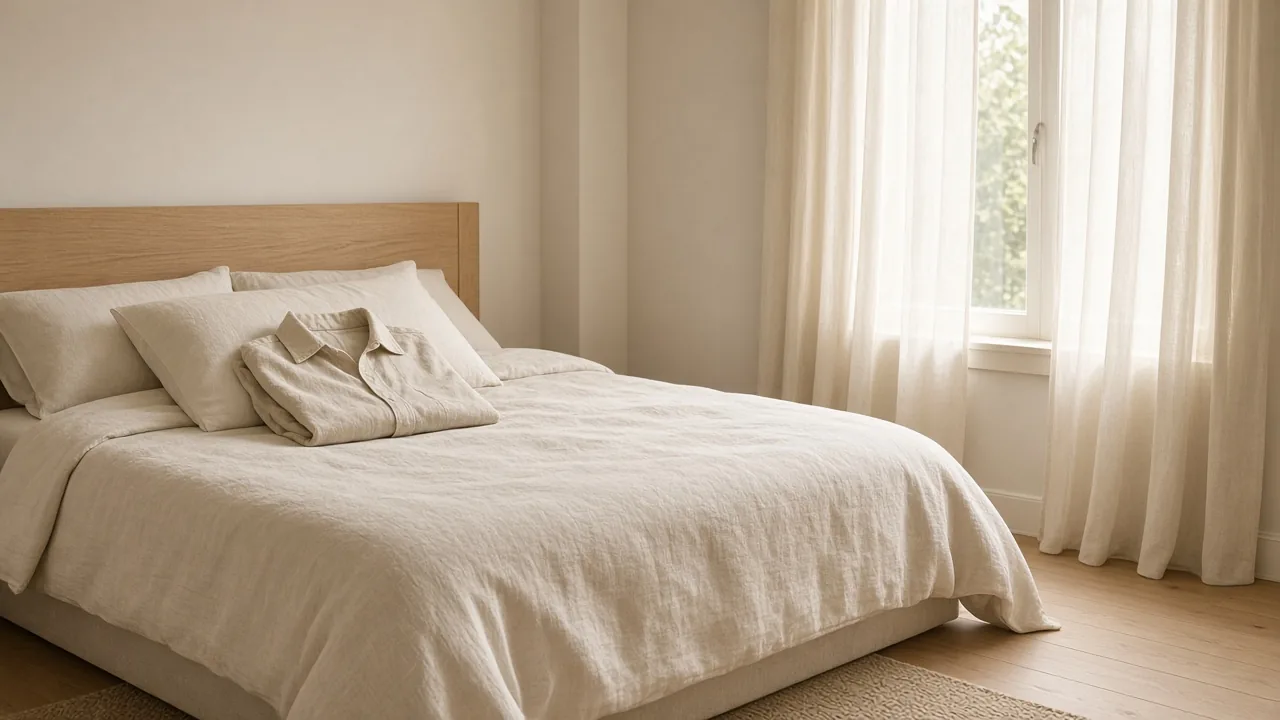
Do Clothing Microplastics Affect Home Air and Sleep?
Do clothing microplastics affect home air and sleep? Worn polyester sheds fibers into room air. No study has tied that shed to a measured night of sleep.
textilesagriculturehemp
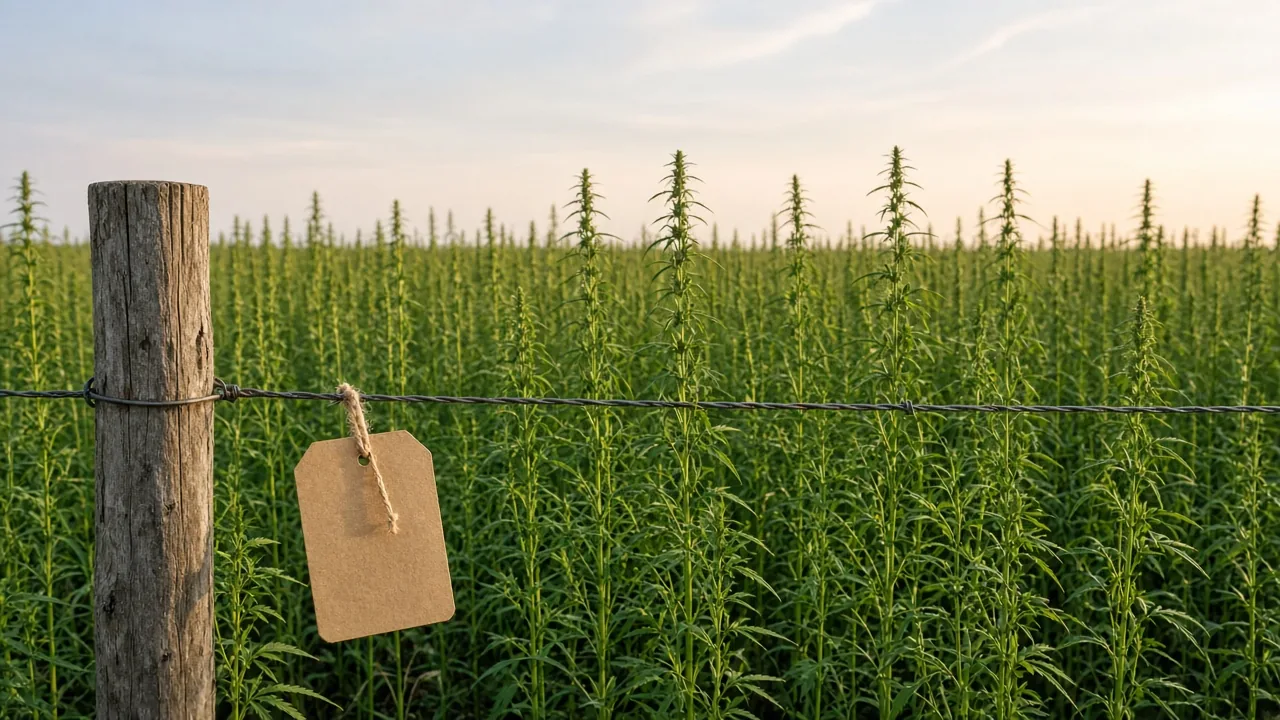
Zero THC Genetics for Hemp Fiber
Zero THC genetics for hemp fiber mean Cornell's Ursa Alta, near 0.02% THC. A failed compliance lot costs less. Lighter sampling still needs a state plan.
Contact
Get In Touch
Talk to our materials science team — replies within one business day.