Library
HeartlandNews
Long-form coverage of Imperium Fiber textiles, nylon alternatives, regenerative agronomy, and how American hemp reshapes apparel and materials.
212 articles

Can Natural Fiber Bed Sheets Improve Your Sleep & Health?
Can natural fiber bed sheets improve sleep and health? A warm-room nap found less light sleep on linen than on cotton with a polyester pad. No hemp-sheet trial exists.

Do Clothing Microplastics Affect Home Air and Sleep?
Do clothing microplastics affect home air and sleep? Worn polyester sheds fibers into room air. No study has tied that shed to a measured night of sleep.
Zero THC Genetics for Hemp Fiber
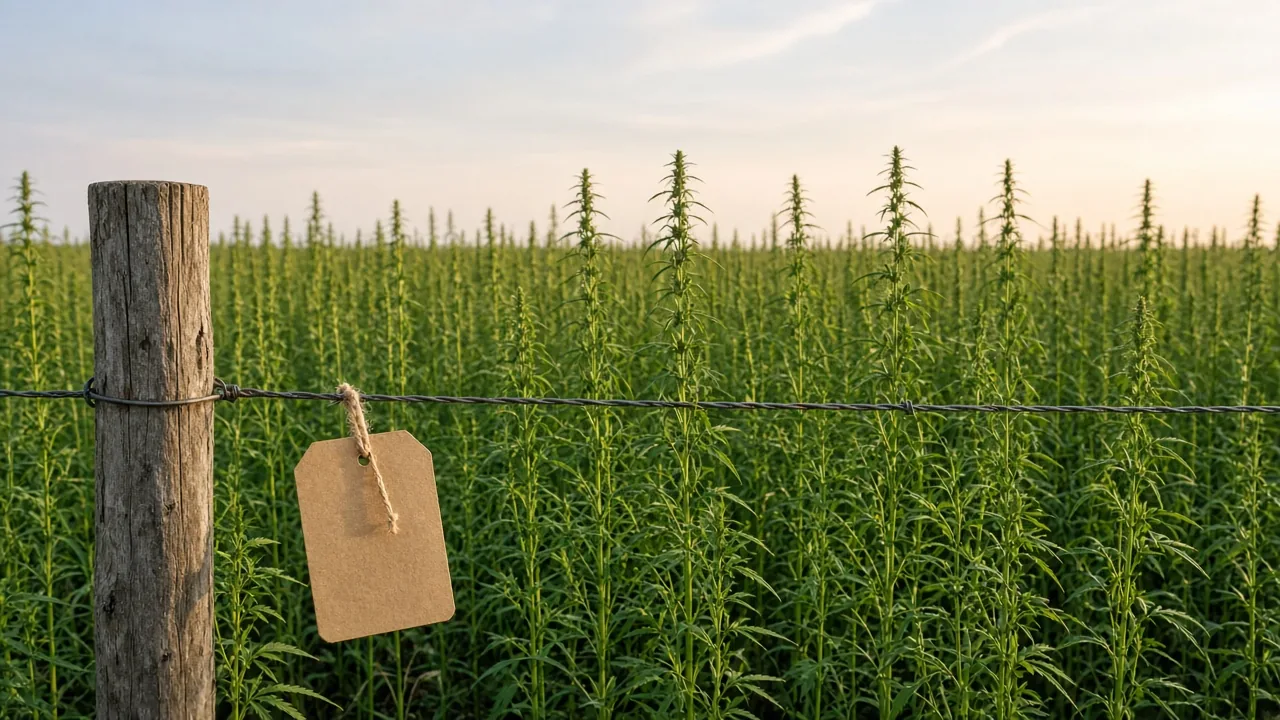
Zero THC genetics for hemp fiber mean Cornell's Ursa Alta, near 0.02% THC. A failed compliance lot costs less. Lighter sampling still needs a state plan.
Does Recycled Polyester Shed Microplastics?
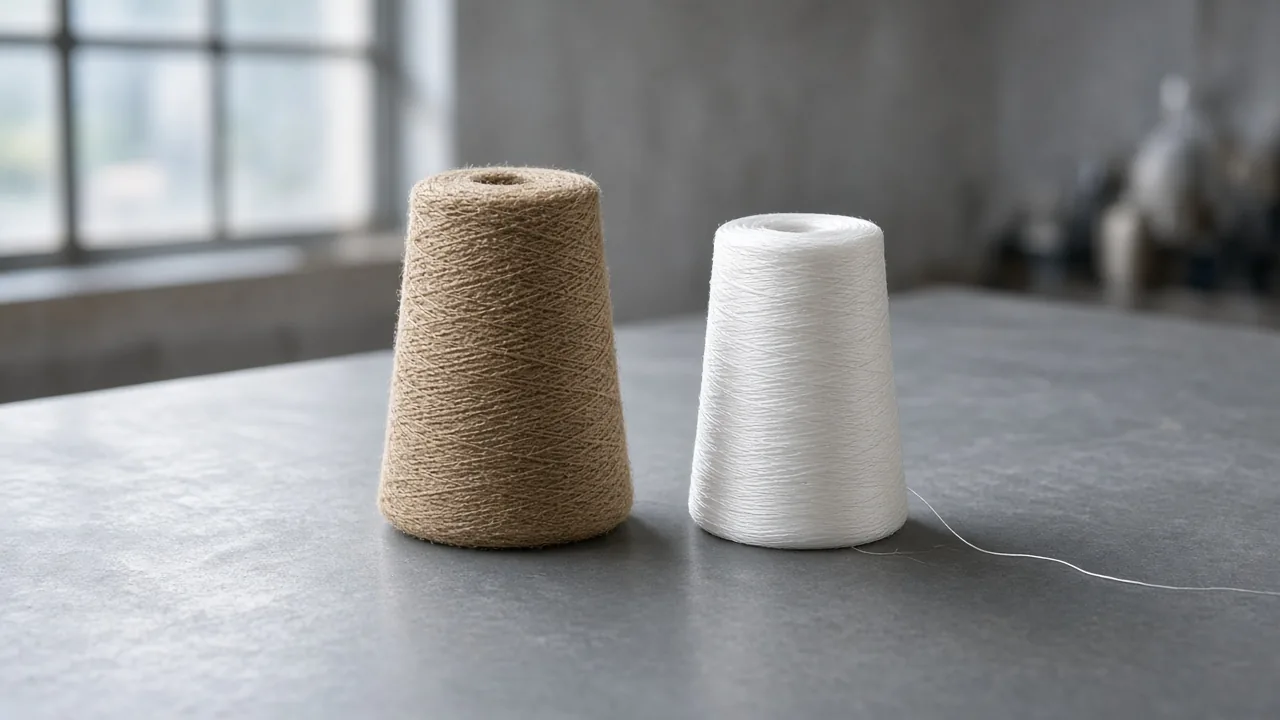
Does recycled polyester shed microplastics? Yes. Recycled PET is still polyester, and wash studies still measure polyester microfiber coming off the cloth.

Does Wearing Polyester Shed Microplastics?
Does wearing polyester shed microplastics? A 2020 study found polyester clothes release microfibers to the air during wear on a scale comparable to the wash.
Polyester Microplastics in Laundry
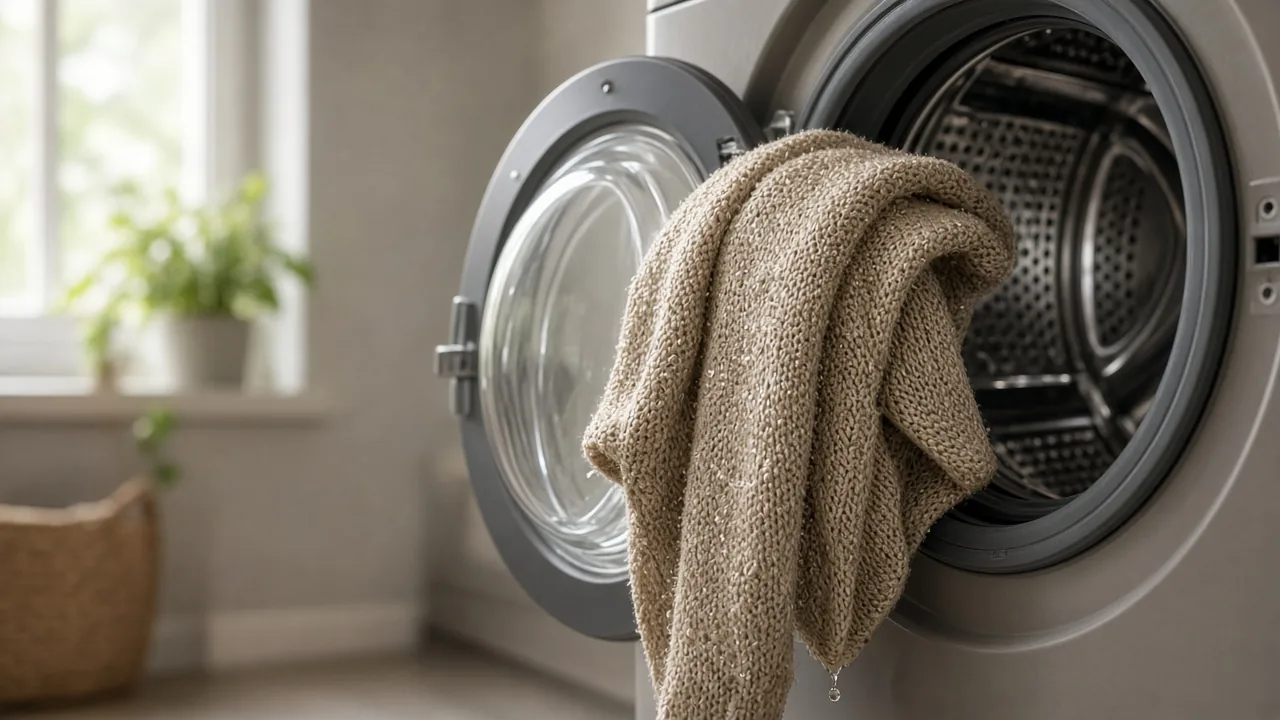
Polyester microplastics in laundry: a polyester wash moves PET microfiber into wastewater. A hemp-lyocell body has no polyester filament to shed.
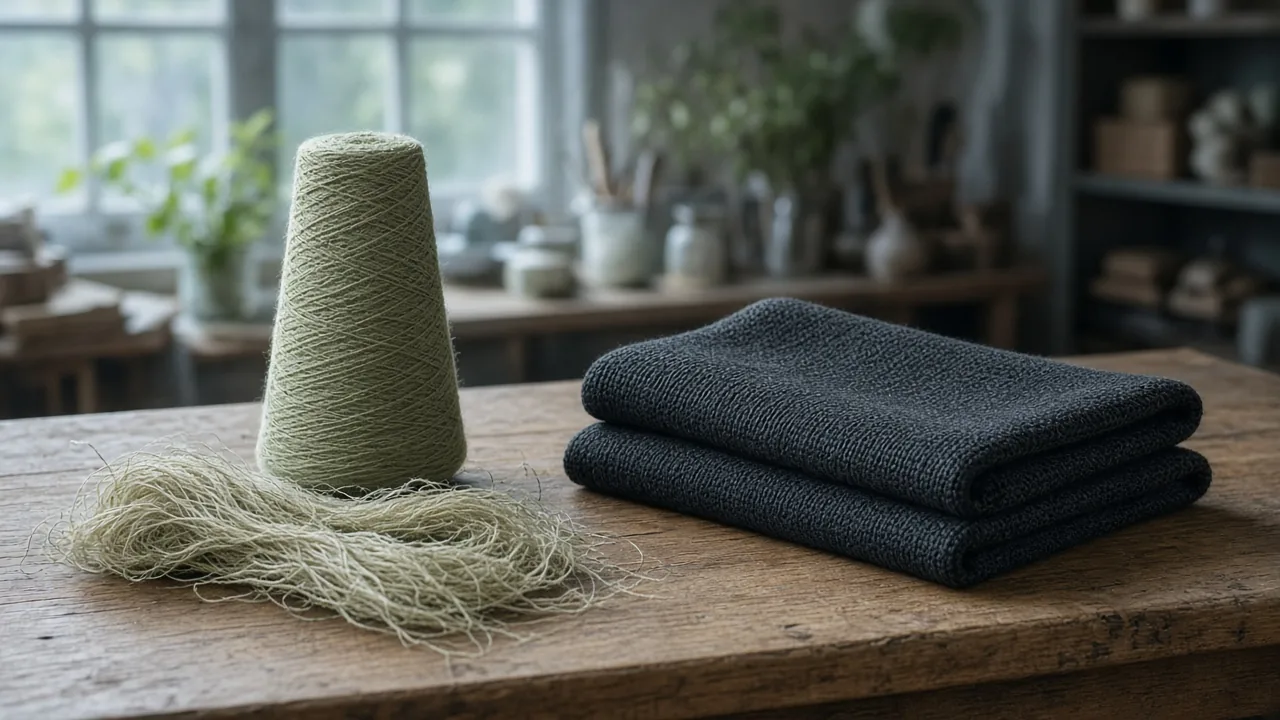
Why Swap Nylon for Imperium Hemp Yarn and Fabric
Why swap nylon for Imperium hemp yarn and fabric: keep the knit frames, take nylon filament out of the body yarn, and stop nylon microfiber in the wash.
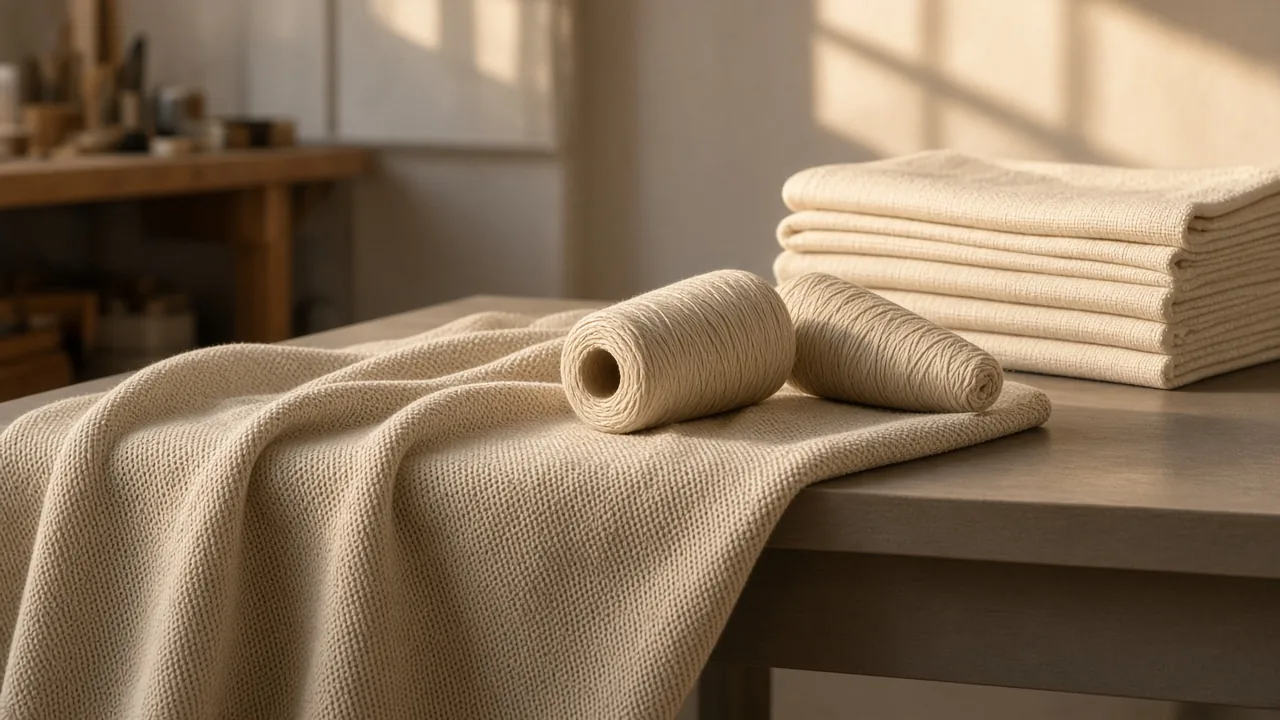
Why Swap Polyester for Imperium Hemp Yarn and Fabric
Why swap polyester for Imperium hemp yarn and fabric: gym and swim take a 40/2 hemp-lyocell cone, sheets take hemp-Supima, with no polyester microfiber in the wash.

Benefits of Wellness Fabric for Activewear
Benefits of wellness fabric for activewear: a hemp-lyocell knit with no polyester or nylon filament, so the wash sheds plant lint, not the microplastics EPA tracks.
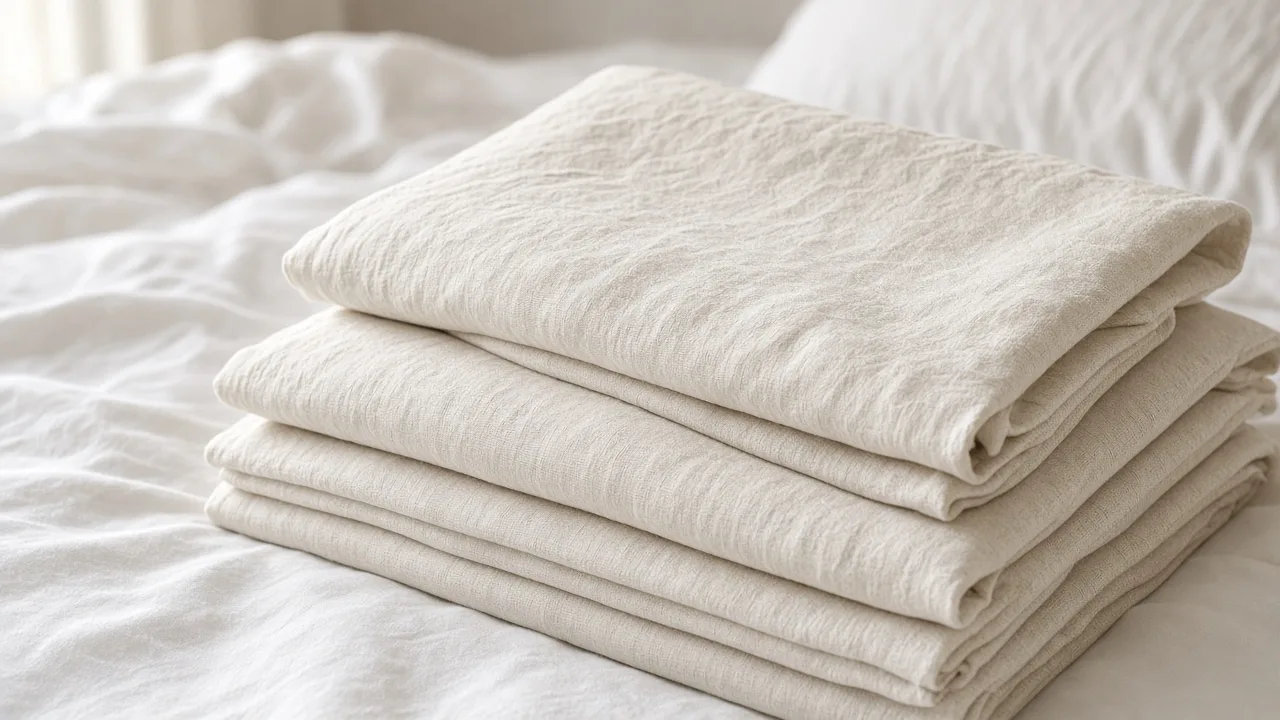
Benefits of Wellness Fabric for Home Goods
Benefits of wellness fabric for home goods: hemp-Supima sheets and towels, no polyester microfiber in the wash, and a hemp acre without cotton's pesticide load.

Benefits of Wellness Fabric for Swimwear
Benefits of wellness fabric for swimwear: a hemp-lyocell suit that holds opacity when wet, with no nylon filament for the wash to turn into microplastics.

Amey Padma on US-Grown Hemp Meets Supima
The Textile Magazine interviewed Amey Padma on US-grown Imperium hemp in Indian mills: Supima blends, a local warehouse, and adoption driven by performance.
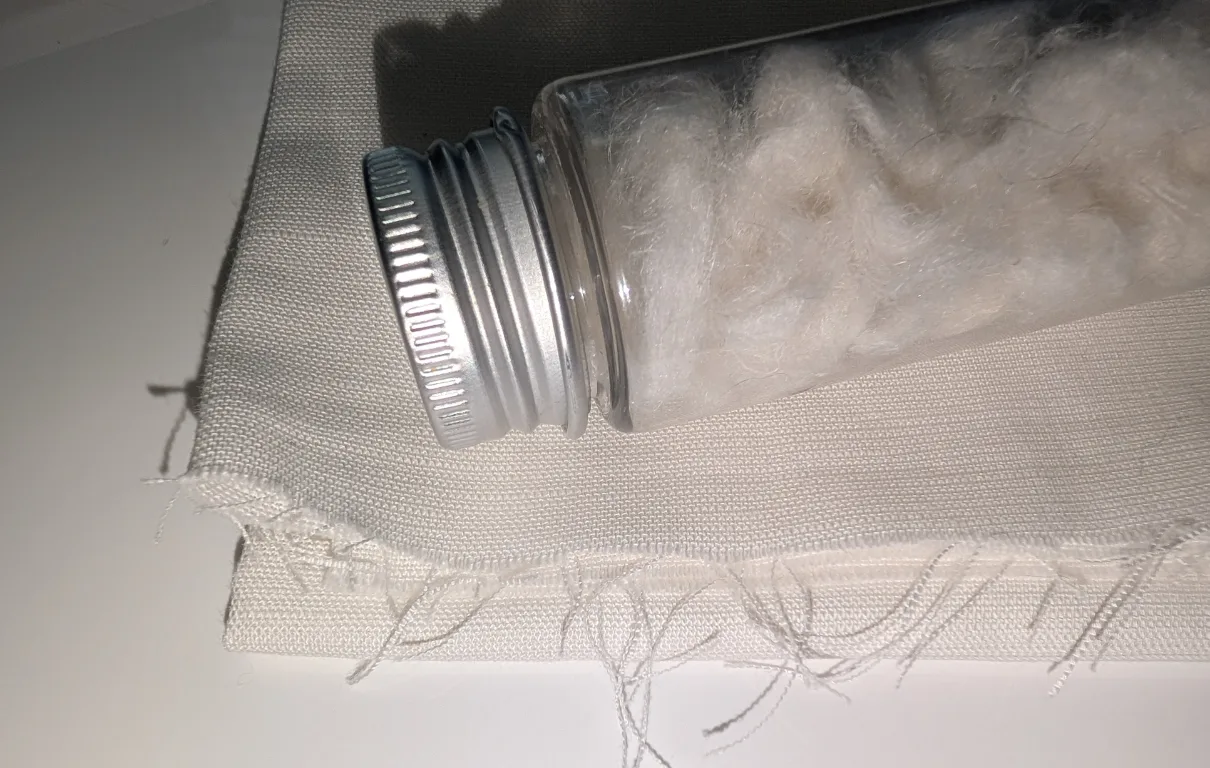
What Is Wellness Fabric?
Wellness fabric is plant-based cloth for skin-contact garments and home textiles — no plastic microfiber, no pesticide-grown inputs. Here is the definition.
What Is Wellness Yarn?
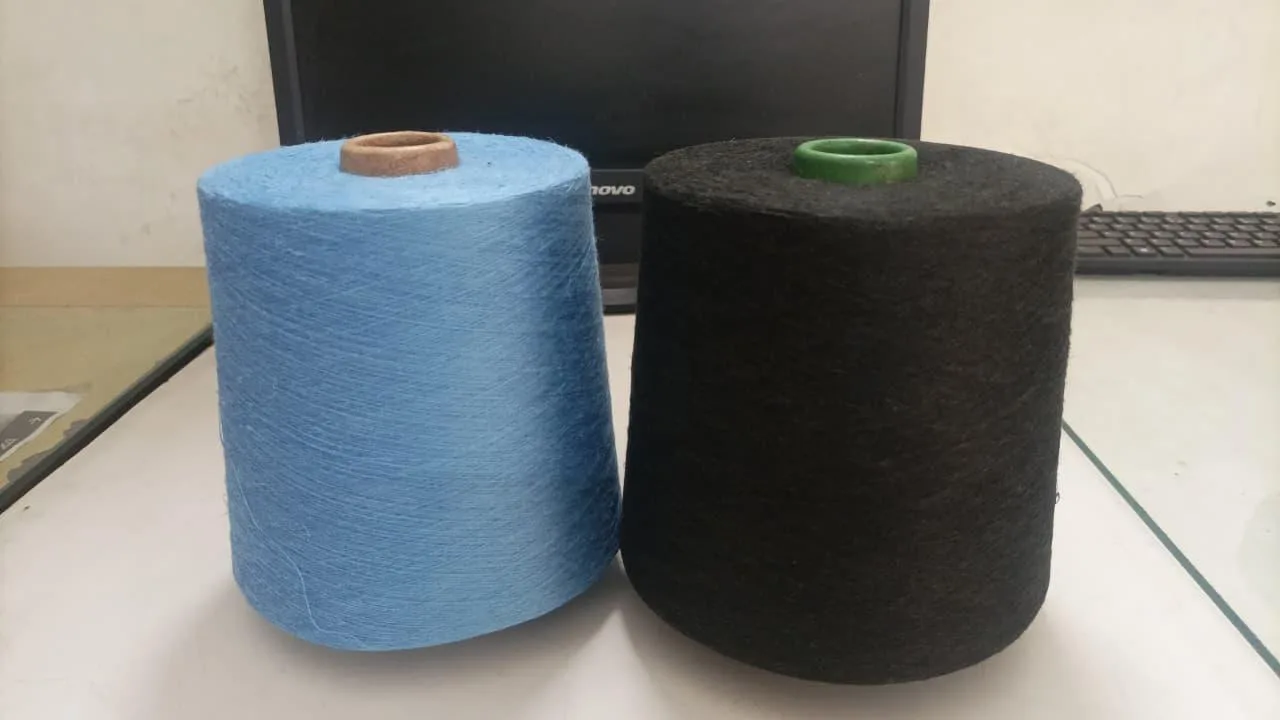
Wellness yarn is the plant-based cone a mill knits or weaves. Counts change by job: 40/2 hemp-lyocell, US hemp with Supima, or 24s hemp/wool.
Worlds First Wellness Fabric and Yarn
Imperium Fiber is the world's first wellness fabric and yarn — American hemp cloth and cones for activewear, swim, home, and outerwear. Here is what that means.
Can Cotton-Hemp Yarn Make 120–200 TC Bed Linen?
Yes — cotton-hemp yarn at fine singles (especially 30s–38s) weaves clean 120–200 thread-count sheeting when EPI/PPI and finish are set for percale or plain weave.
Can US-Grown Hemp Be Spun with Supima® Cotton?
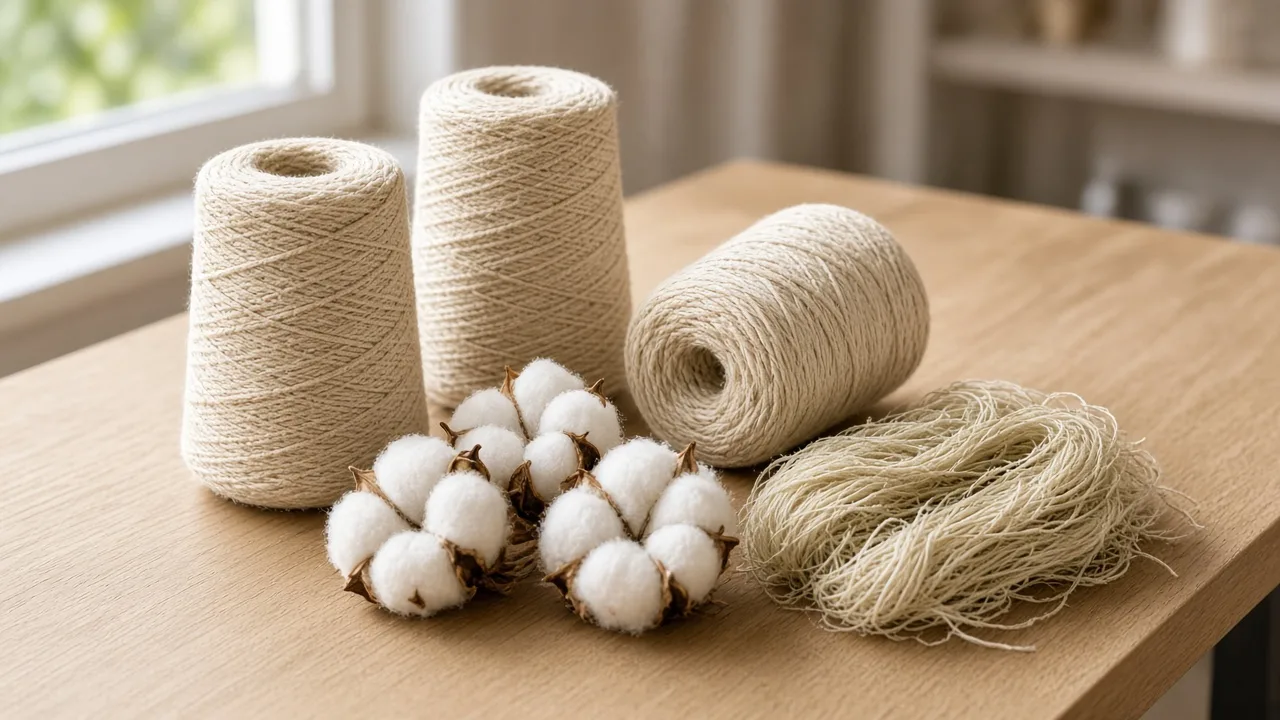
Yes — US-grown Imperium hemp spins with Supima® and other ELS cottons on ring frames when staple length and blend ratio are matched. Counts, ratios, and mill notes.
US-Grown Hemp Textile Supply Chain: USA → India → USA
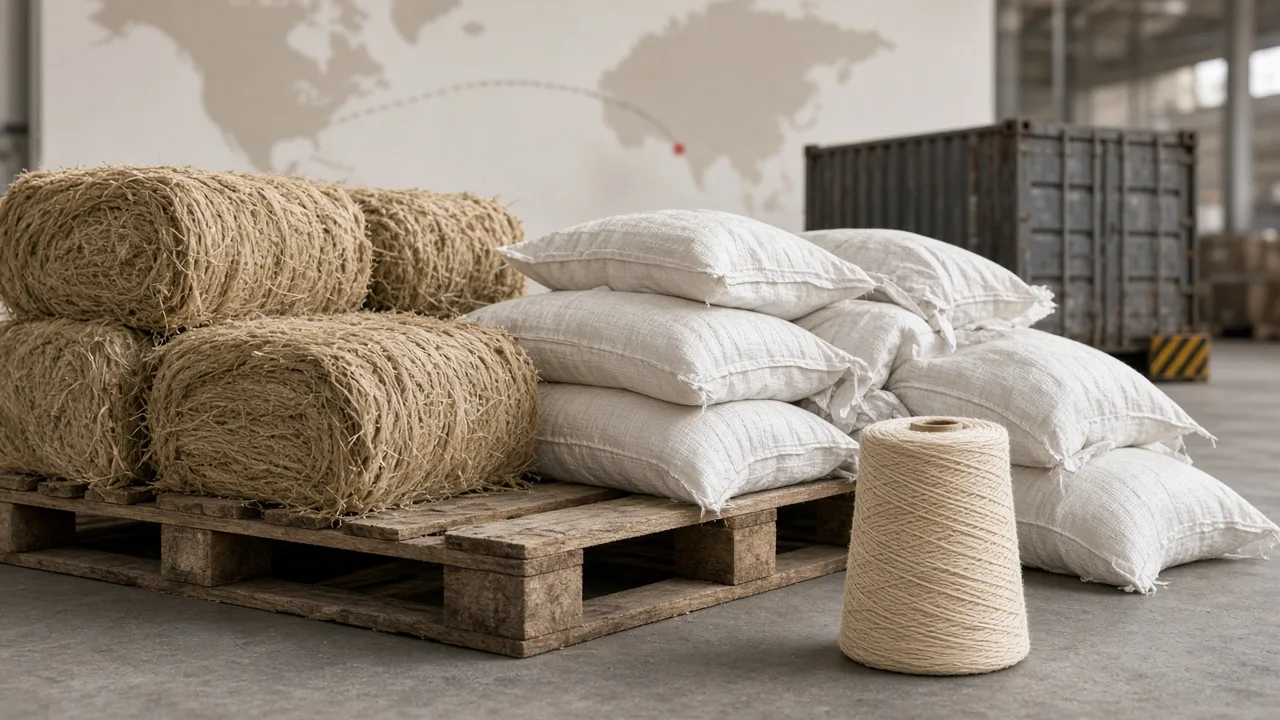
How Heartland's textile path works: American hemp fiber grown and prepared in the USA, spun and woven in India, then finished goods shipped back to US brands.
What GSM Can 24s/1 and 38s/1 Cotton-Hemp Yarn Produce?
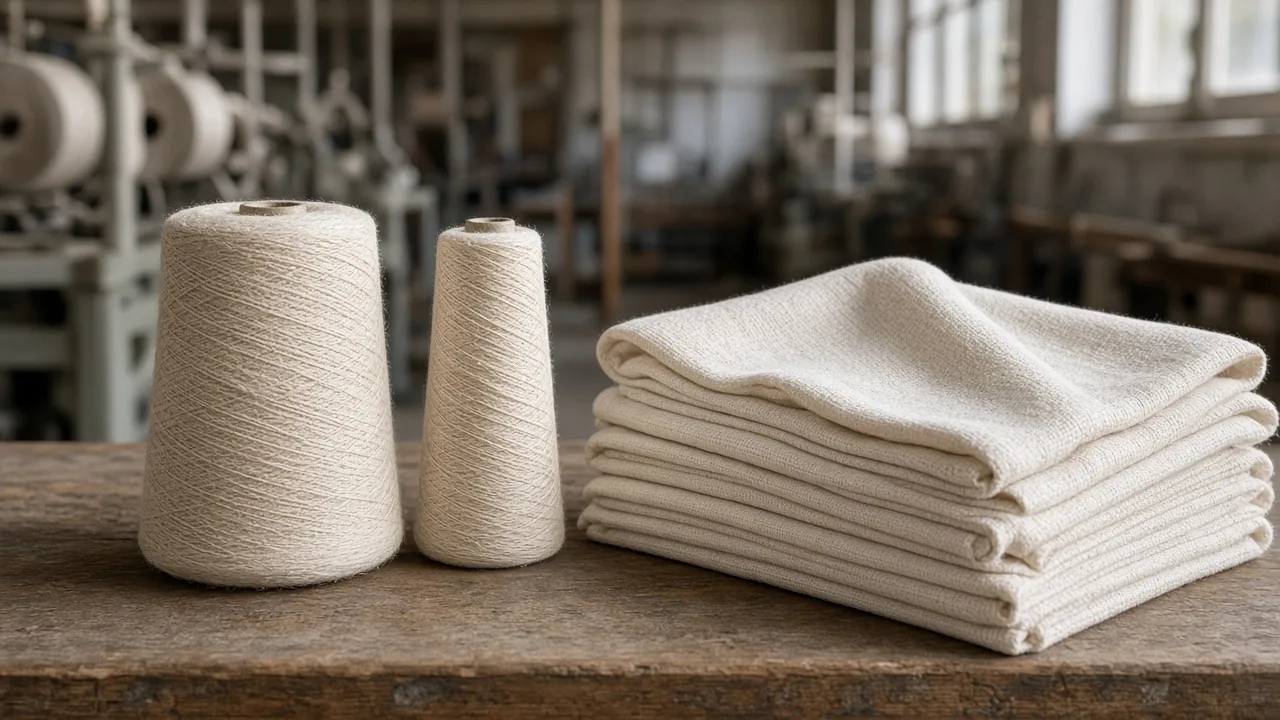
24s/1 cotton-hemp yarn typically lands ~140–200 gsm knits and mid-weight wovens; 38s/1 lands ~110–160 gsm fine jersey and sheeting — ranges by sett and construction.
40/2 and 40/1 Hemp/Lyocell Yarn: The Natural Alternative to Polyester and Nylon Activewear
40/1 and 40/2 hemp/lyocell yarn is the fine-count spec brands use to leave polyester and nylon activewear behind — same knit frames, no microplastic shed.
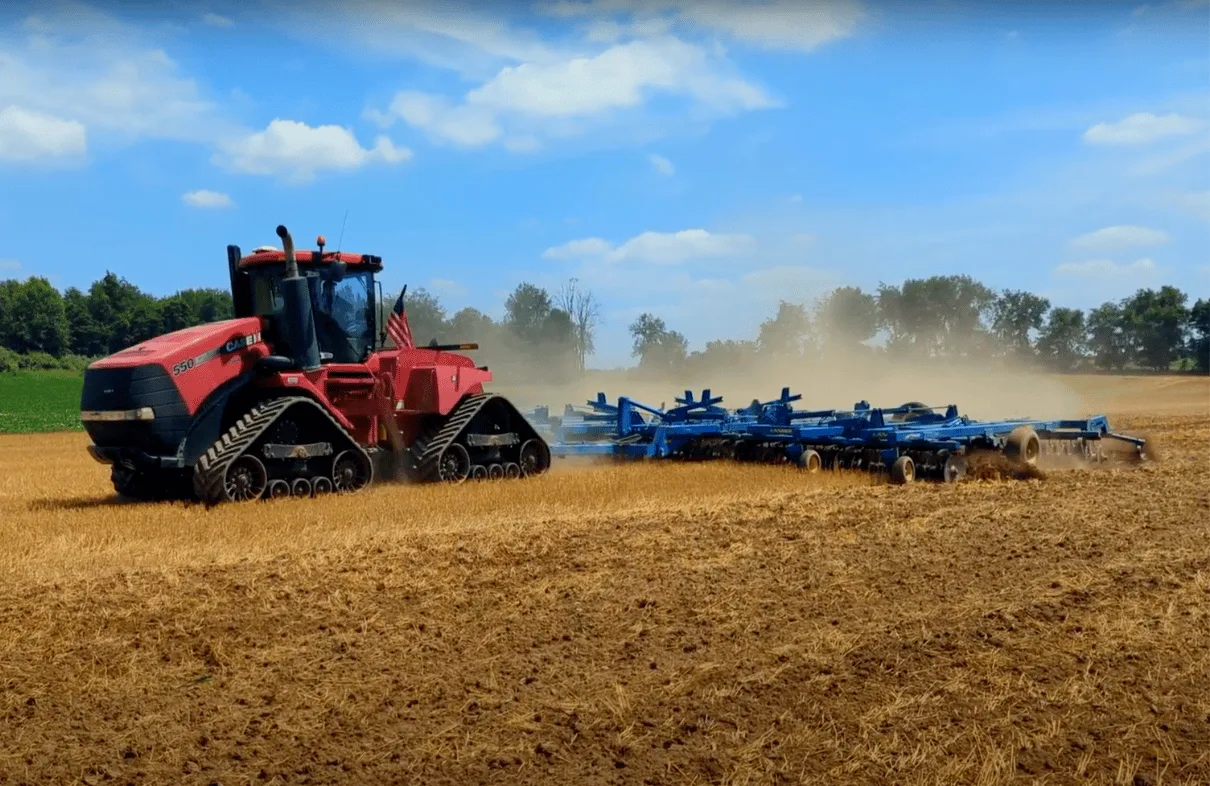
Regenerative Farming Without Pesticides: Heartland's Answer to Hormone-Disrupting Fabrics
Hormone-disrupting fabrics start with chemistry on the fiber. Heartland's answer is regenerative farming without pesticides and hemp textiles that shed no microplastics.

Hemp Silk New Uses: Resort, Sleepwear, Spa, and Beyond
Hemp silk is moving past scarves into resort wear, sleep sets, spa robes, bridal, and travel luxe — silk sheen with hemp strength. Spec at imperiumfiber.com.

Health Impact of Polyester: Where There Is Smoke There Is Flames
Polyester's health story is microplastics, finishing chemistry, and skin load — early smoke worth treating as fire. Imperium Fiber is the cellulosic way out.
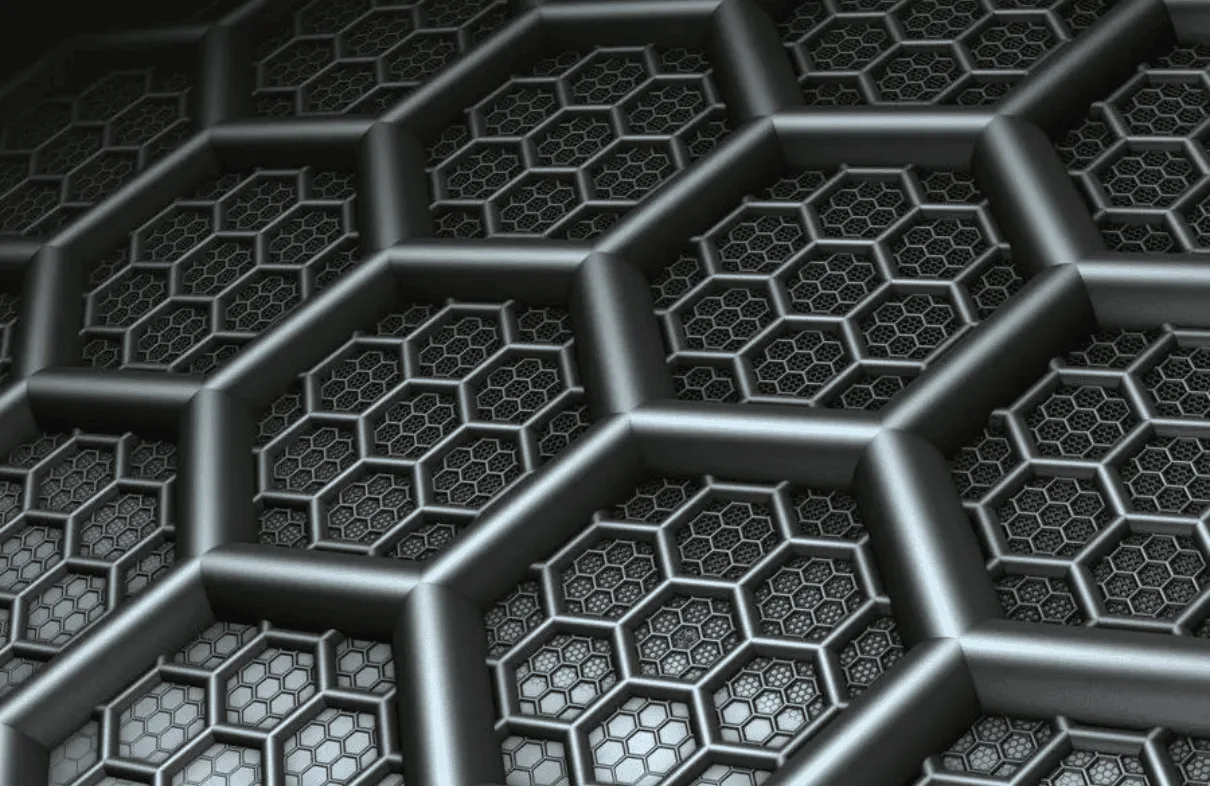
Hemp-Derived Graphene: Bio-Based Carbon for Composites
Hemp-derived graphene uses industrial hemp's continuous cell wall as feedstock — predictable carbon for composite-grade reinforcement, not mine-variable graphite.

Nylon Microplastics in Laundry: Why Brands Are Leaving the Filament
Nylon sheds synthetic microfibers every wash — an EPA-tracked pathway into water. Imperium Fiber replaces the filament so activewear stops shedding PET/nylon plastic.

Why Polyester and Nylon Clothes Create Static (And Hemp Does Not)
Polyester and nylon build static because they hold almost no moisture. Hemp's 8–12% regain dissipates charge — Imperium Fiber for calmer next-to-skin knits.

RAG Converter at Heartland: Private Internal AI Without Uploading Documents
Heartland uses RAG Converter so internal AI can search company documents without uploading them. Local conversion, portable chunks, and data we still own.

Hemp and Tencel Fabric: How Imperium Hemp Blends with Lyocell
Hemp and Tencel fabric is a hemp-lyocell blend. Tencel is Lenzing's lyocell. Heartland runs 20–50% Imperium hemp for strength, drape, and a closed-loop cellulosic hand.

Hemp Linen Fabric: What It Is and How It Compares to Flax Linen
Hemp linen is fabric made from hemp bast fiber — sometimes blended with flax linen. It wears like linen, lasts longer, and is grown on American farms.

Hemp Silk: What It Is, How It's Made, and Why Brands Blend It
Hemp silk is a luxury blend of hemp fiber and silk. At 10–25% hemp you keep silk's sheen and drape, and add tensile strength and moisture-wicking.

Nylon Imperium: Imperium Fiber as a Nylon Alternative
Nylon Imperium is Imperium Fiber specified as a nylon alternative: American hemp yarn and fabric for swim, activewear, and outdoor — no petroleum, no microplastics.

Polyester Alternatives for Sportswear: Imperium Fiber vs Petroleum Polyester
Polyester alternatives for sportswear have to wick, dry, and survive a wash. Imperium Fiber — alone or with Tencel — is the hemp path off petroleum polyester.
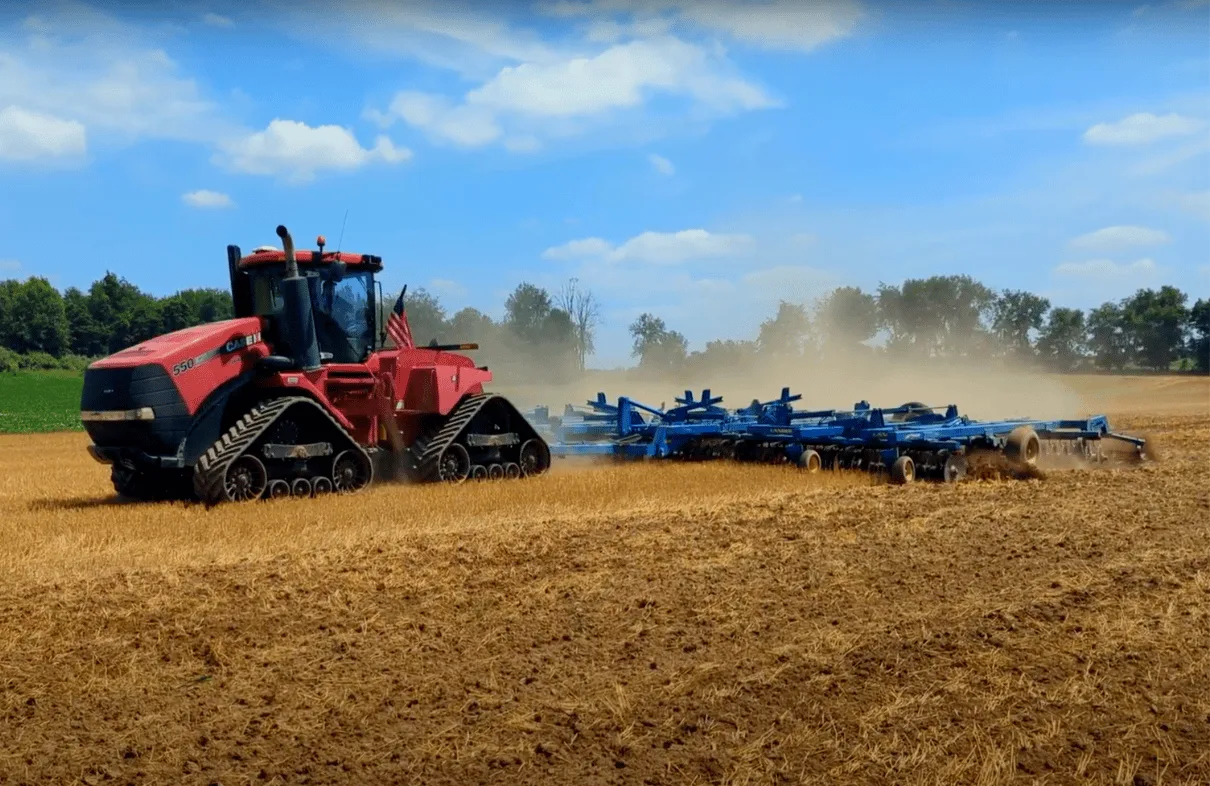
Regenerative Agriculture Practices: The Playbook Farmers Actually Use
Regenerative agriculture practices rebuild soil organic matter, store carbon, and cut input costs. Here is the NRCS-aligned playbook Heartland uses with hemp in rotation.
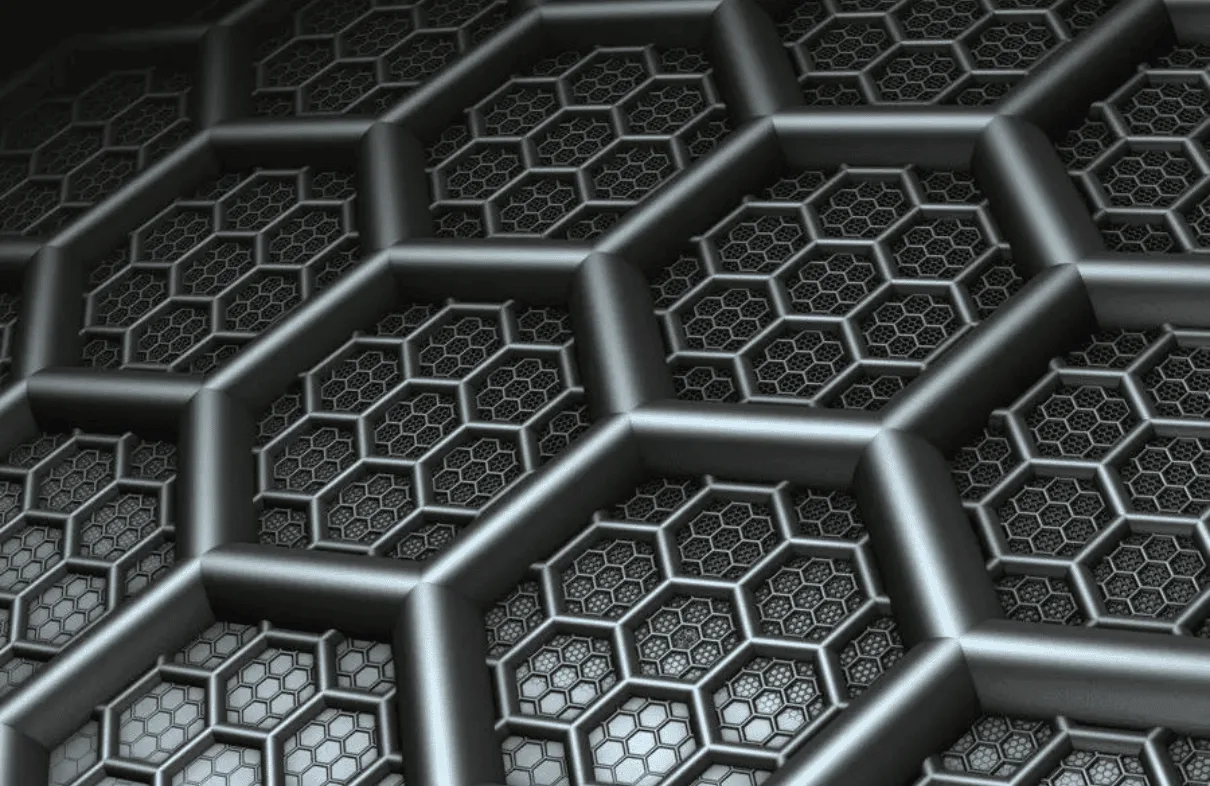
What Is Graphene? How Hemp Fiber Becomes Composite-Grade Carbon
Graphene is a one-atom carbon sheet. Mineral graphene is costly and batch-variable. Hemp's uniform cell wall is a feedstock for composite-grade graphene.

CXO Times Features Heartland's Traceable Hemp Innovation In Sustainable Textiles
The CXO Times profiled how Heartland Industries is building a traceable, U.S.-grown hemp supply ecosystem for global textile manufacturers — spotlighting India expansion, Imperium Fibre™, and farm-to-retail transparency.

Declouding Customer Data and Hemp Supply Chain Data To Improve Privacy
The rapid integration of artificial intelligence into every layer of business is transforming cloud services — but not always for the better.

Hemp Fiber and Grain Association Joins Forces With Heartland
HFGA partners with Heartland to educate US farmers on industrial hemp for fiber and grain — agronomy, markets, and supply-chain readiness.
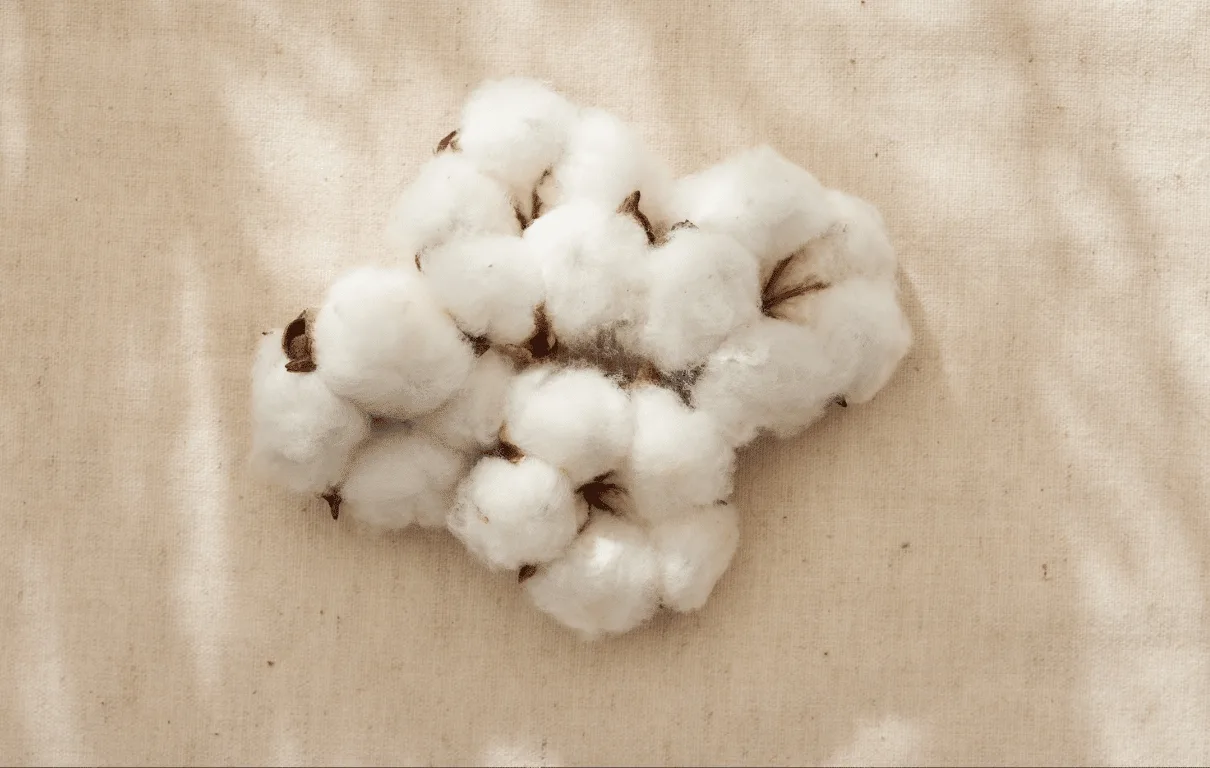
Ultimate Guide to Hemp-Cotton Blends: Uses, and Benefits
Hemp-cotton blends at 20–40% hemp combine cotton softness with hemp strength for apparel and home textiles. Mill specs, yarn counts, and end uses.

Heartland India Offering US Hemp Fiber For Spinning, Hemp Yarn, & Hemp Fabric
Heartland supplies US hemp fiber to Indian yarn and fabric mills — a consistent spin-ready Imperium Fiber supply chain for spinning and weaving.
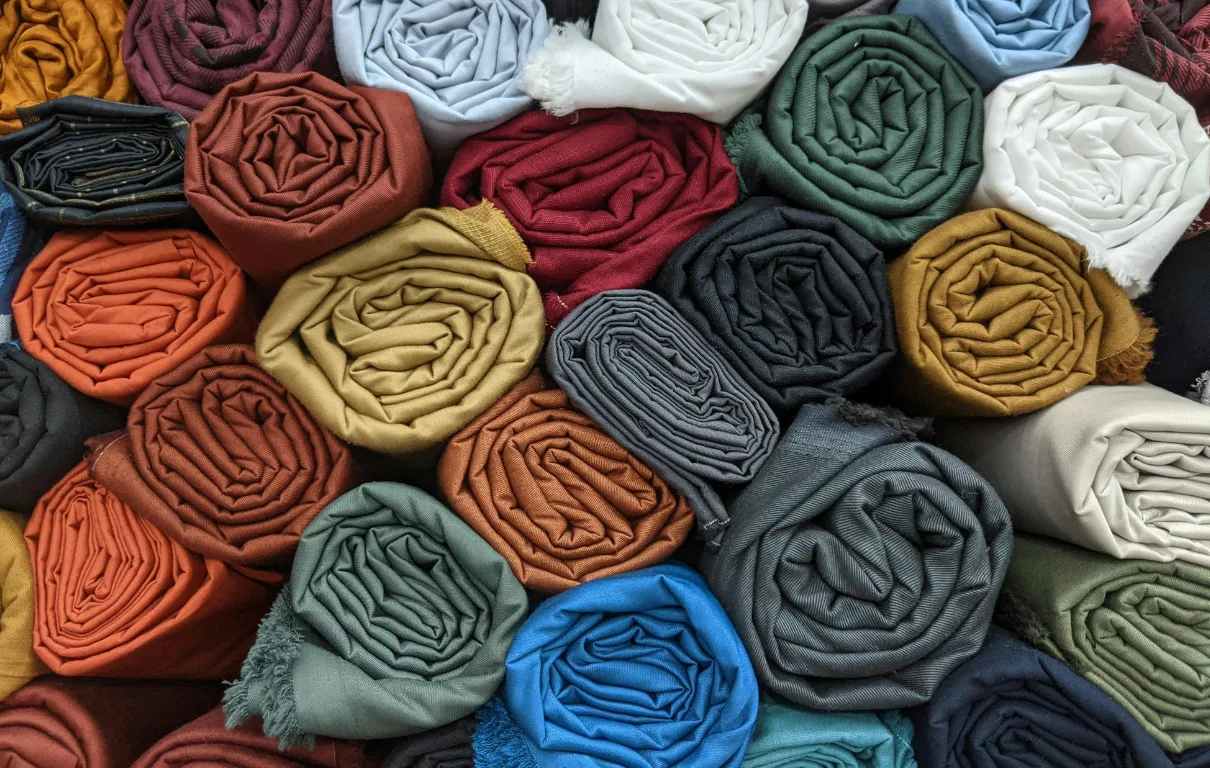
Heartland Enters Hemp Textile Industry As US Exporter of Hemp Fiber
Heartland launches US-exported hemp fiber, yarn, and fabric for knitwear, woven, and activewear — pesticide-free Imperium Fiber for global mills.

Nylon Alternative: Imperium Fiber vs Petroleum Nylon Fabric
A nylon alternative must swim, wick, and hold a seam. Imperium Fiber is Heartland's hemp yarn and fabric for that job — no petroleum, no microplastic shed.

First In Class Natural Fiber Reinforced PC/ABS For Electronics
Natural-fiber reinforced PC/ABS brings strength and lower carbon to electronics housings — Imperium as a drop-in path beyond talc and glass.

Hemp-Tencel (Lyocell) Blends: Composition, Uses, and Benefits
Hemp and Tencel fabric is hemp blended with lyocell. Heartland runs 20–50% Imperium hemp for a silky, closed-loop cellulosic cloth with hemp's strength.

Replacing Nylon With Hemp & Lyocell: Strength, Softness, No Microplastics
Replace nylon fabric with hemp and lyocell (Tencel): activewear-class strength and hand, no petroleum filament, no microplastic shed. Spec Imperium Fiber.

Oxidative Stress From Polyester & Nylon Clothing Static
Polyester and nylon clothing build static that can raise oxidative stress next to skin. Imperium Fiber — American hemp — is the calmer cellulosic path.
The Separation Of Planting Seed and Pesticide: An Economic & IP Goliath
Separating seed IP from pesticide lock-in could reshape farm economics. What that shift means for industrial hemp and grower choice.
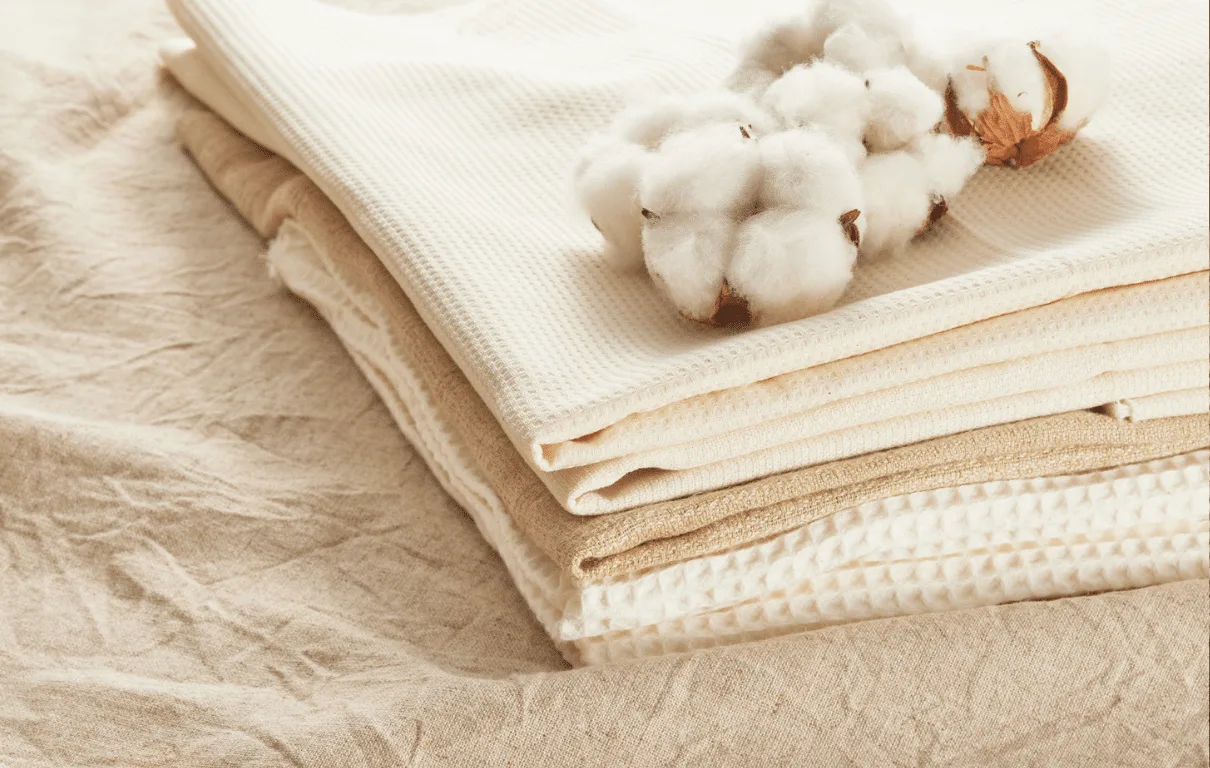
Sustainability in the Textile Industry: Challenges and Opportunities
Textile sustainability faces DPPs, end-of-life rules, and material taxes. How American hemp fiber helps brands cut microplastics and Scope 3.
Heartland Presents Hemp4Soil USDA Grant Results At SWCS
The Hemp4Soil Grant was awarded to Heartland in 2022 to explore the integration of hemp fiber in conventional crop rotations throughout the United States.

Magna Exteriors x BASF x Heartland - ALTAIR Enlighten Award Finalists
The ALTAIR Enlighten Award is a globally recognized accolade that celebrates groundbreaking advancements in automotive sustainability and lightweighting. Presented annually in collaboration with the Center for Automotive Research (CAR)
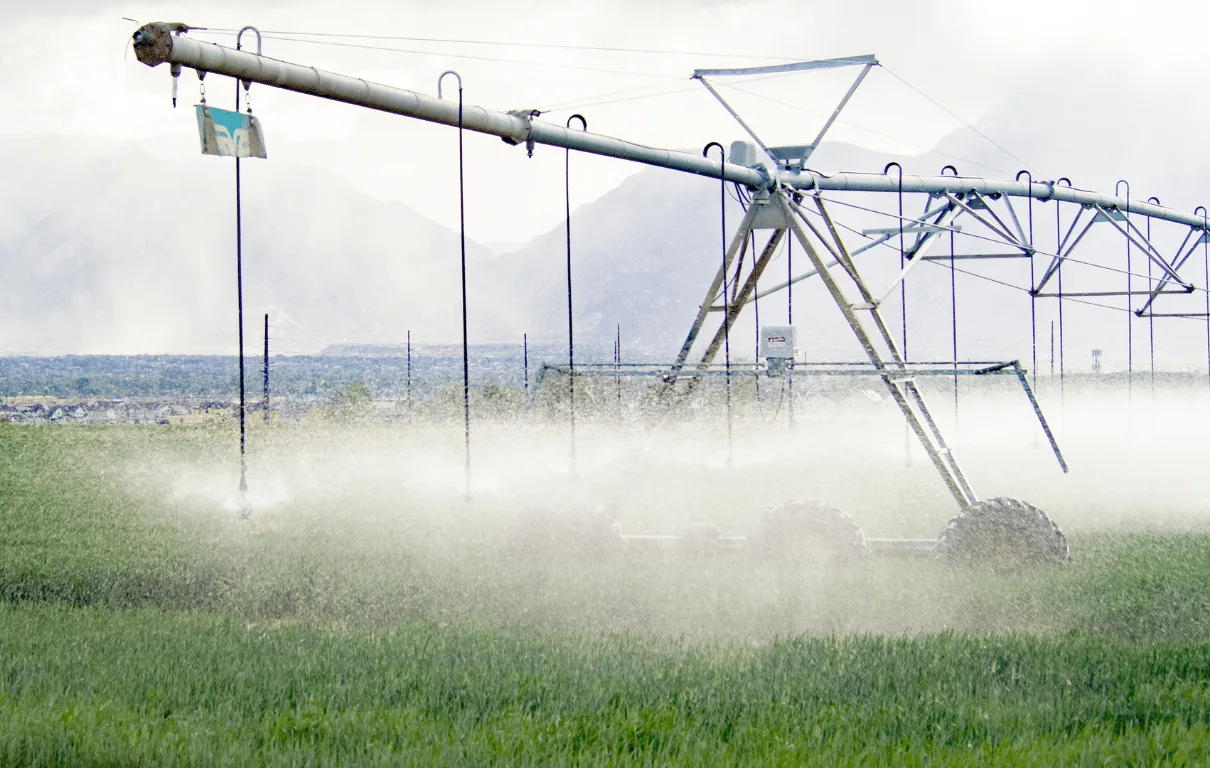
Alfalfa to Hemp Farming in Arizona - ASU & Heartland Study Water Conservation
Alfalfa farming has significantly shaped Arizona’s agricultural landscape, driven by its high water consumption and substantial export market.

Ultimate Guide to Hemp-Polyester Blends: Uses, and Benefits
Hemp-polyester blends at 15–30% Imperium hemp keep poly's quick-dry and shape while cutting petroleum content for sports and outdoor wear.

Heartland Accepted To Amazon Devices Climate Tech Accelerator
Being chosen for the Amazon Devices Climate Tech Accelerator is a testament to Heartland’s commitment to pioneering sustainable solutions for the electronics industry.
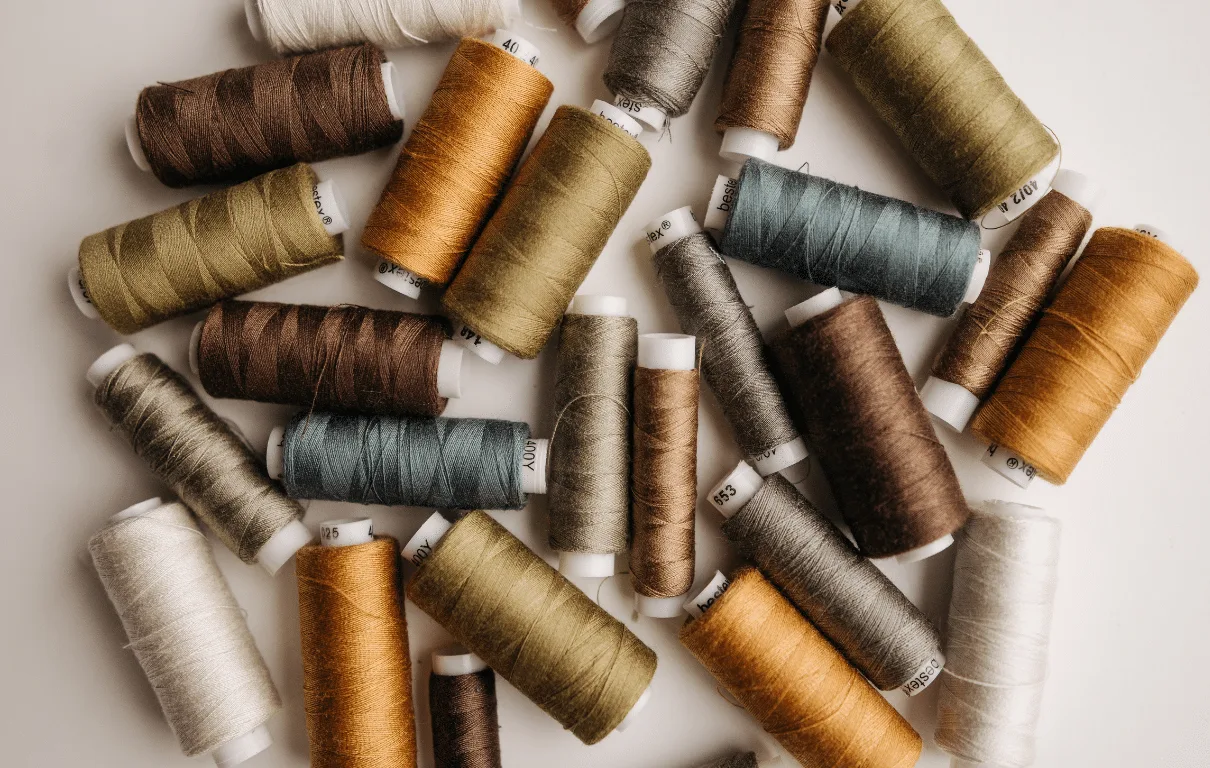
Imperium Fiber PolyHemp As A Lower Cost Alternative To PolyCotton
Imperium Fiber PolyHemp replaces PolyCotton with hemp + polyester: lower cost path, stronger natural fraction, and less cotton water intensity.
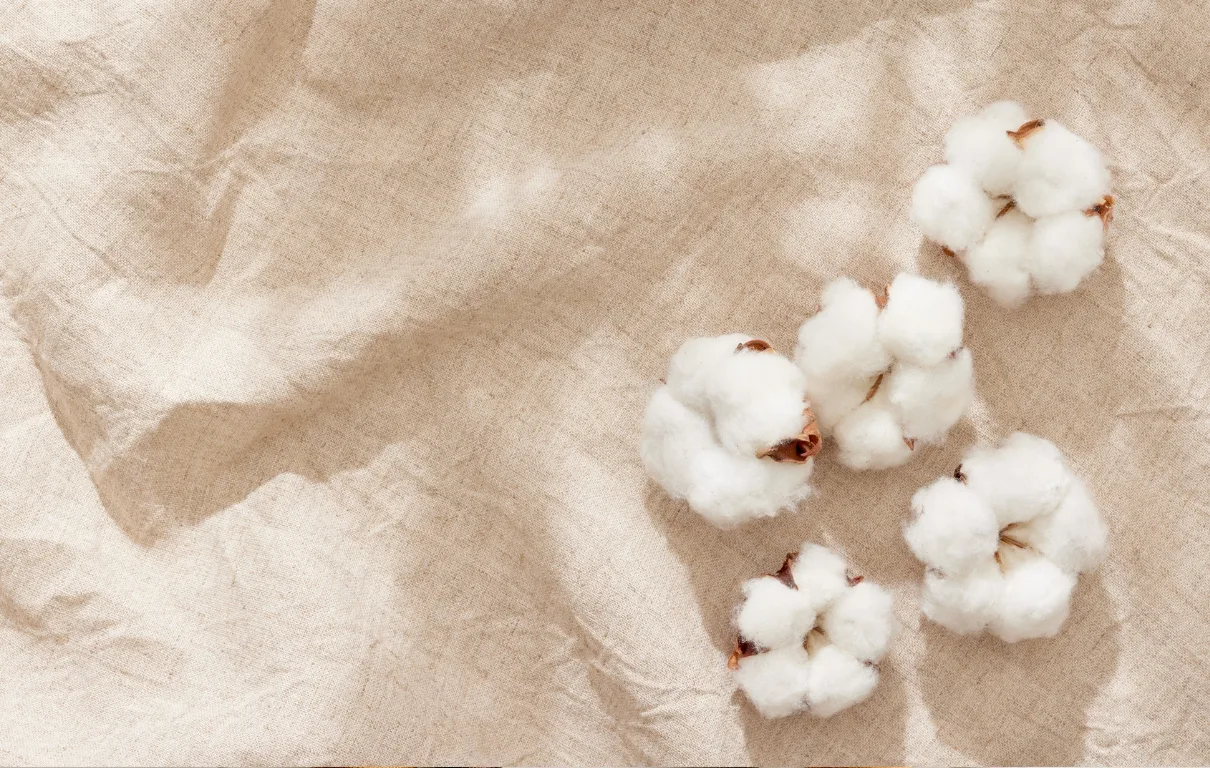
What Is PolyHemp, How Can It Be Used, And Where Do I get It?
PolyHemp is hemp blended with polyester — a durable, breathable PolyCotton alternative. Where to use it and how to source Imperium Fiber.

Heartland’s Imperium Fiber Setting New Standard For Soft Hemp Fiber
Imperium Fiber is Heartland's softened American hemp — up to 95% less water than cotton, no pesticides, and a butter-soft hand for yarn and fabric.

Heartland Partners with Aureo To Derive New Insights From Data Lake
In the modern era of industrial innovation, manufacturing and farming equipment generate some of the most intricate and voluminous data streams in the world.

Challenging Fast Fashion As Prices Shift Upward For Clothing
As clothing prices rise, fast fashion's cost edge fades. Durable hemp textiles and Imperium Fiber give brands a better cost-per-wear story.

Farmers Are Reducing Water Usage By Adopting Hemp Fiber and Grain
Water-intensive crops significantly strain global freshwater resources, with some requiring far more irrigation than others due to their biological needs and growing conditions.

Arizona Alfalfa Farming & Exports To China Hit A Brick Wall With Tariffs
Over the past century, Arizona’s farming history has evolved dramatically, shaped by its arid climate and innovative irrigation systems.

Ultimate Guide to Hemp-Wool Blends: Uses, and Benefits
Hemp-wool blends at 15–30% hemp add durability and structure to wool's warmth — premium cold-weather apparel without losing insulation.

Hemp Linen: Composition, Uses, and Benefits of Hemp-Linen Blends
Hemp linen blends 20–40% hemp with flax linen. You keep linen's drape and breathability, and add hemp's tensile strength for apparel and home textiles.

Imperium Reinforced HDPE to Replace PP Applications With Improved Stiffness
Virgin High-Density Polyethylene (HDPE) and Polypropylene (PP) are two widely used thermoplastics, each offering distinct performance benefits tailored to specific applications.
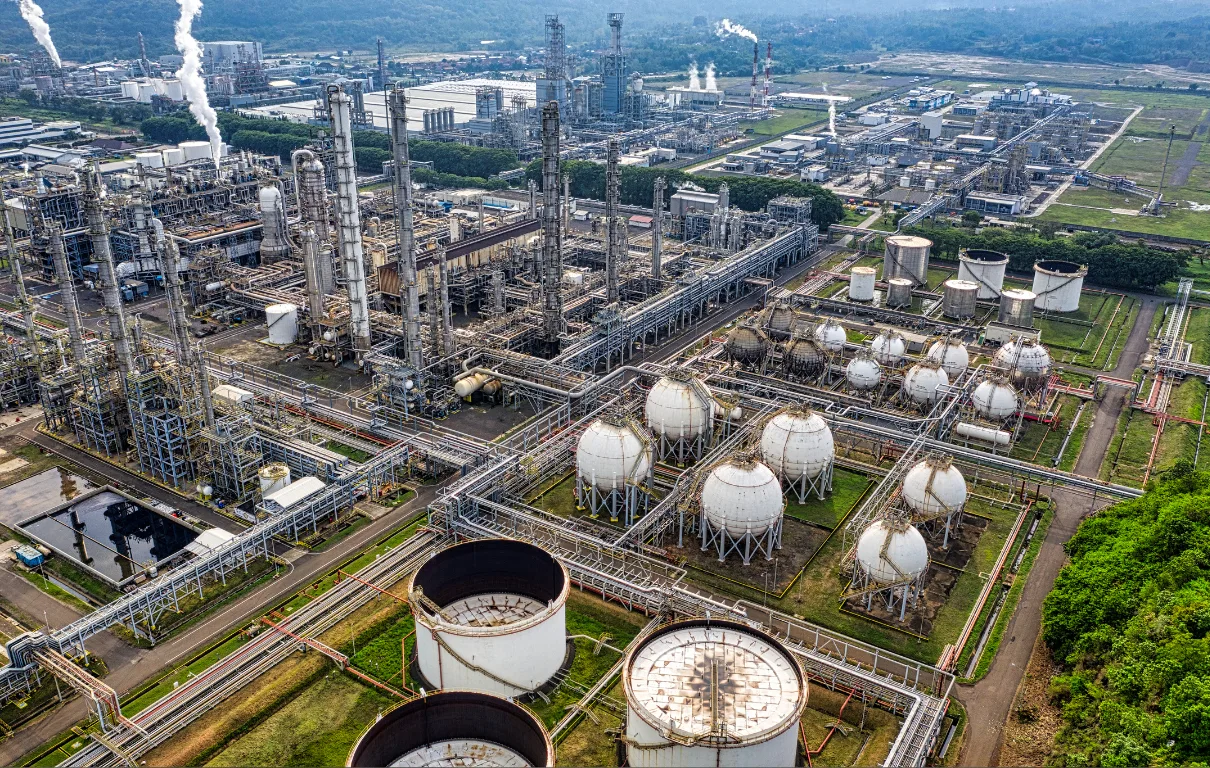
Polyethylene Manufacturing in the US Post China Tariffs
China consumes almost 40% of all US ethylene exports, used in manufacturing for many of the everyday products we love here in the US.

52% of US Soybean Bought By China in 2024, Now Is Not The Time To Plant Soybean
At the time of this article, soybeans were hovering under $10/bushel, which is near or below the break-even point for farmers.

Tariffs Are Shifting Buying Habits To Localization, Similar To COVID
The COVID-19 pandemic hit global supply chains like a sledgehammer, revealing just how fragile decades of offshoring had made essential industries.

BASF Regenerative Farming Program Cuts Emissions By 90%
The results were a whopping 90% reduction in carbon emissions from the farming process and locking in enough CO2 emissions to provide an income stream back to farmers.

TDS, SDS, Carbon Report | Using Carbon Report To Simplify Tracking CO2
The Heartland team has been sending carbon emissions data with TDS and SDS when bidding on new programs for 5 years.
Roots Carbon Credit Checkout Integration For Conscious Brand Owners
Roots checkout carbon credits let brand owners offer climate action at purchase — how Heartland partners on conscious commerce.
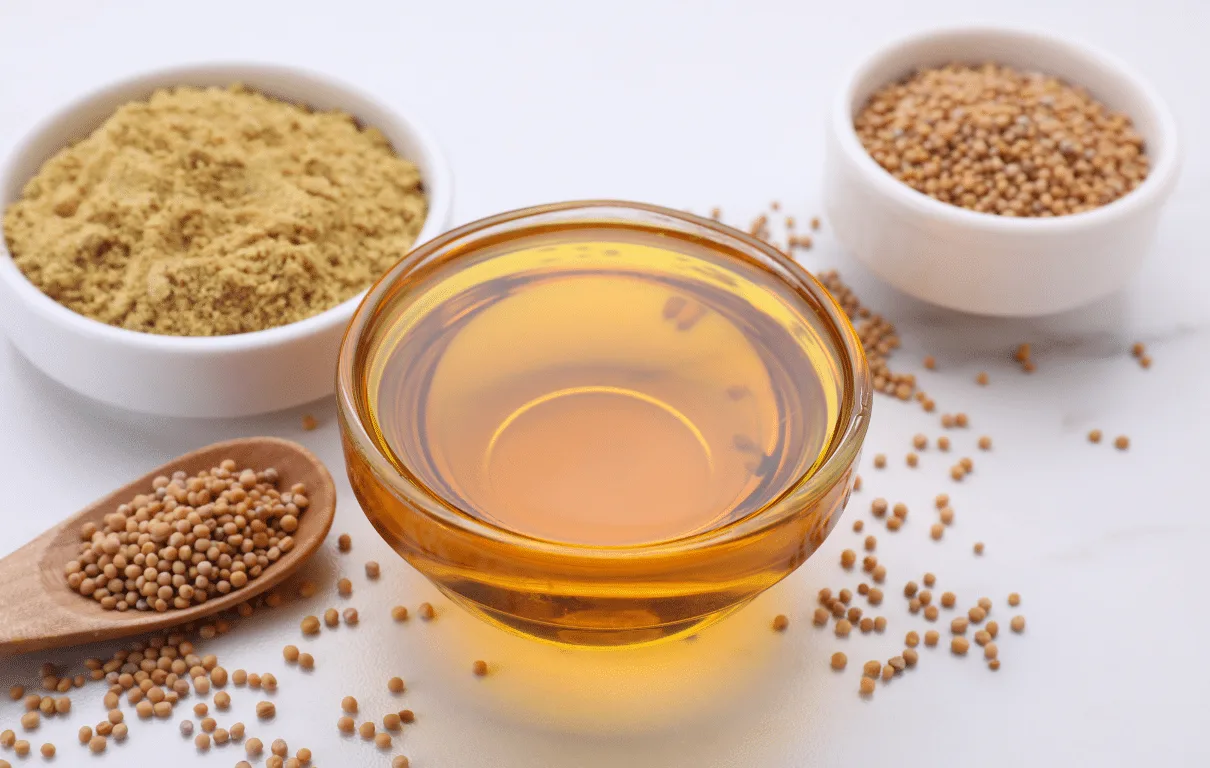
What Is Hemp Seed Oil And How Can It Benefit The Chemicals Market?
Hemp seed oil, the green gold of the plant world, is a versatile powerhouse extracted from the tiny seeds of the Cannabis sativa plant. A primer on its industrial applications.

What Is Hemp Stalk & How Is It Processed Into Different Applications?
Hemp stalk is the plant stem: outer bast fiber for yarn and composites, inner hurd for construction and fillers. Here is how each fraction is processed and used.
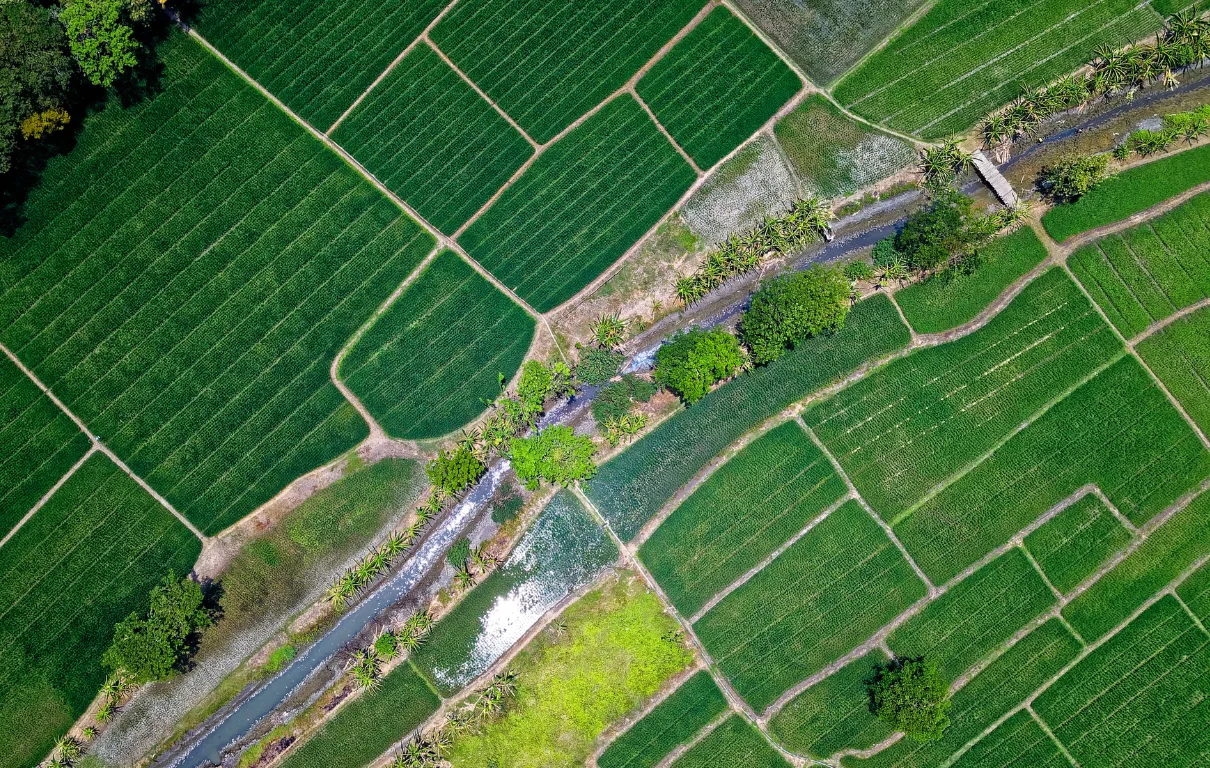
Local Materials For US Manufacturing: Imperium Supply Chain
The U.S. has vast natural resources, but some critical materials simply don’t exist in abundance within its borders.
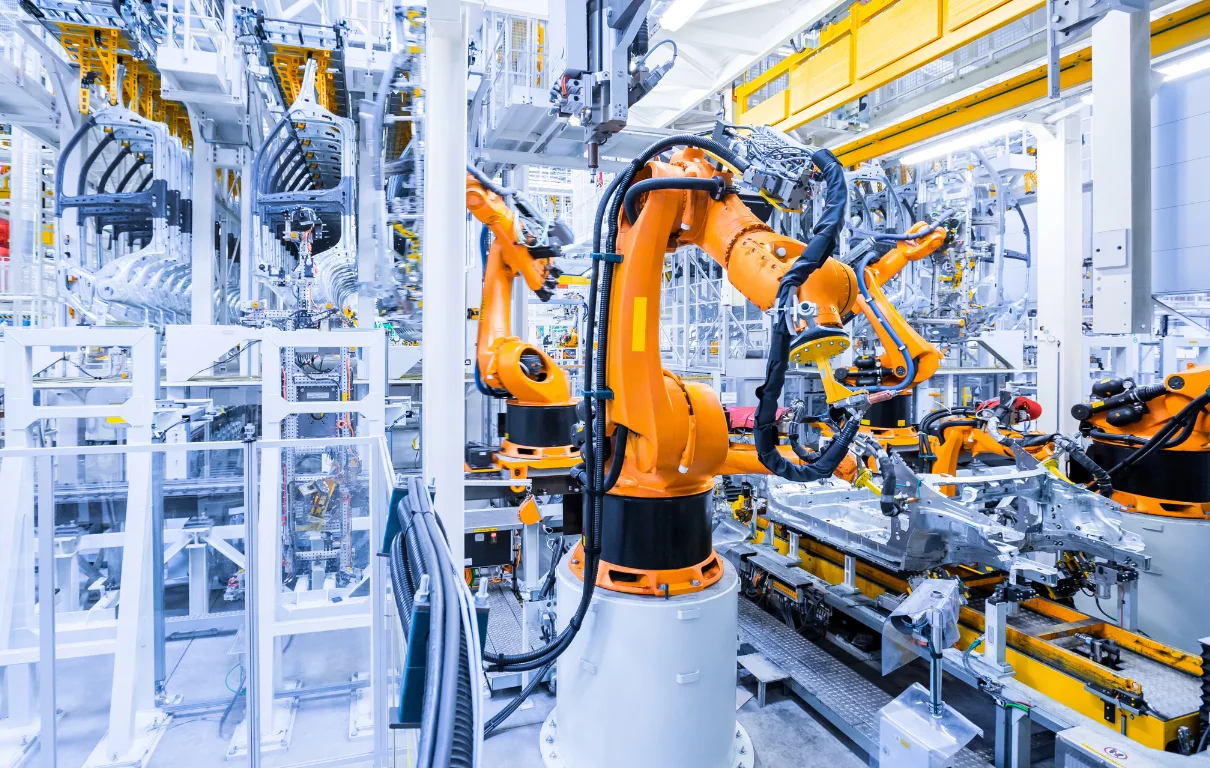
Manufacturers Tightening R&D, Cost Savings in Economic Uncertainty
Economic uncertainty in 2024 created significant headwinds for the manufacturing sector, with growth slowing as companies faced rising costs and volatile demand.

Hemp Silk: Composition, Uses, and Benefits of Hemp-Silk Blends
Hemp silk blends 10–25% hemp with silk. You keep silk's sheen and drape, and add tensile strength, moisture-wicking, and a lower material footprint.

Industrial Hemp As The Feedstock To Make New Chemicals
At that time, it was a "survival of the fittest" mindset—industries chose feedstocks that were cheapest and most efficient to dominate the market.

Farming Hemp Grain and Fiber In 2025: Organic is King
Entering into 2025, corn and soybean producers are grappling with persistently low commodity prices, making profitability a growing challenge.
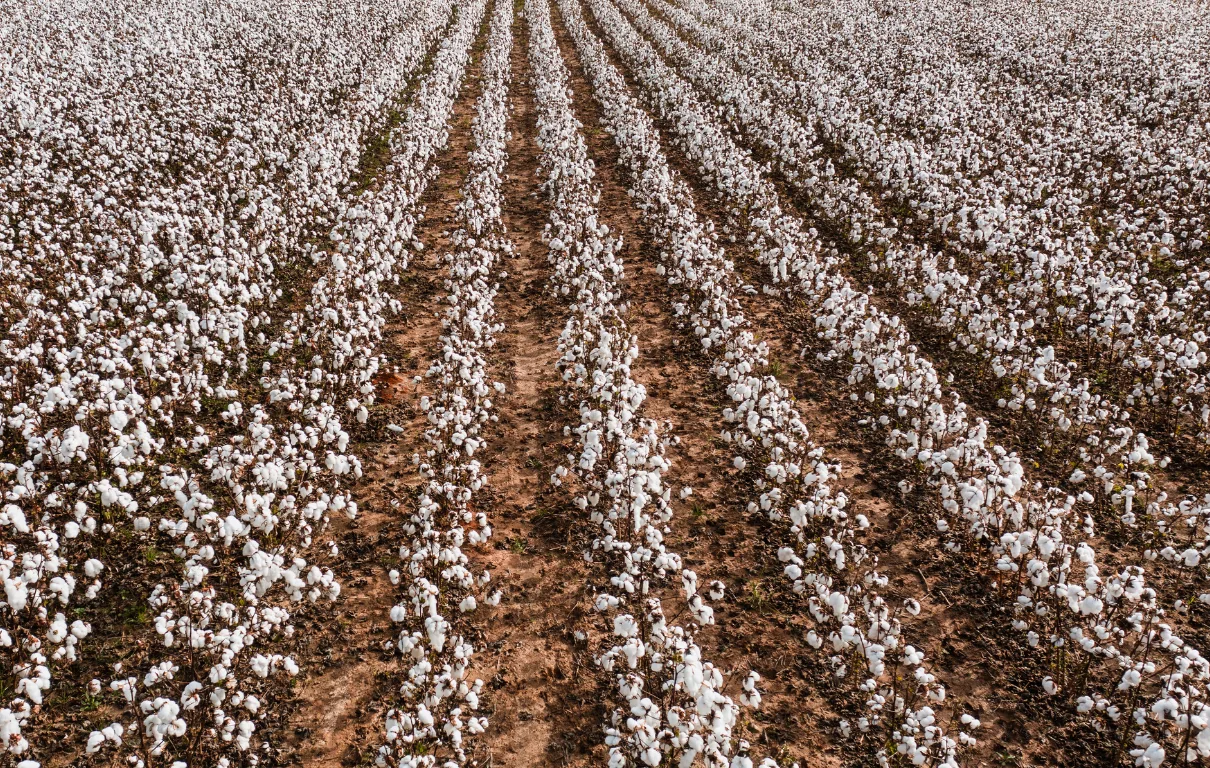
Hemp Fiber Requires Less Water Than Cotton To Farm, Up To 95% Less
Hemp fiber needs roughly 300–500 liters of water per kg versus thousands for cotton — why mills and brands are switching textile feedstock.
Lethal Ventures & Heartland Partner To Launch Carbon Report
Carbon Report is a 5-minute solution to help Tier 2 and Tier 3 manufacturers get a report for the products they make.
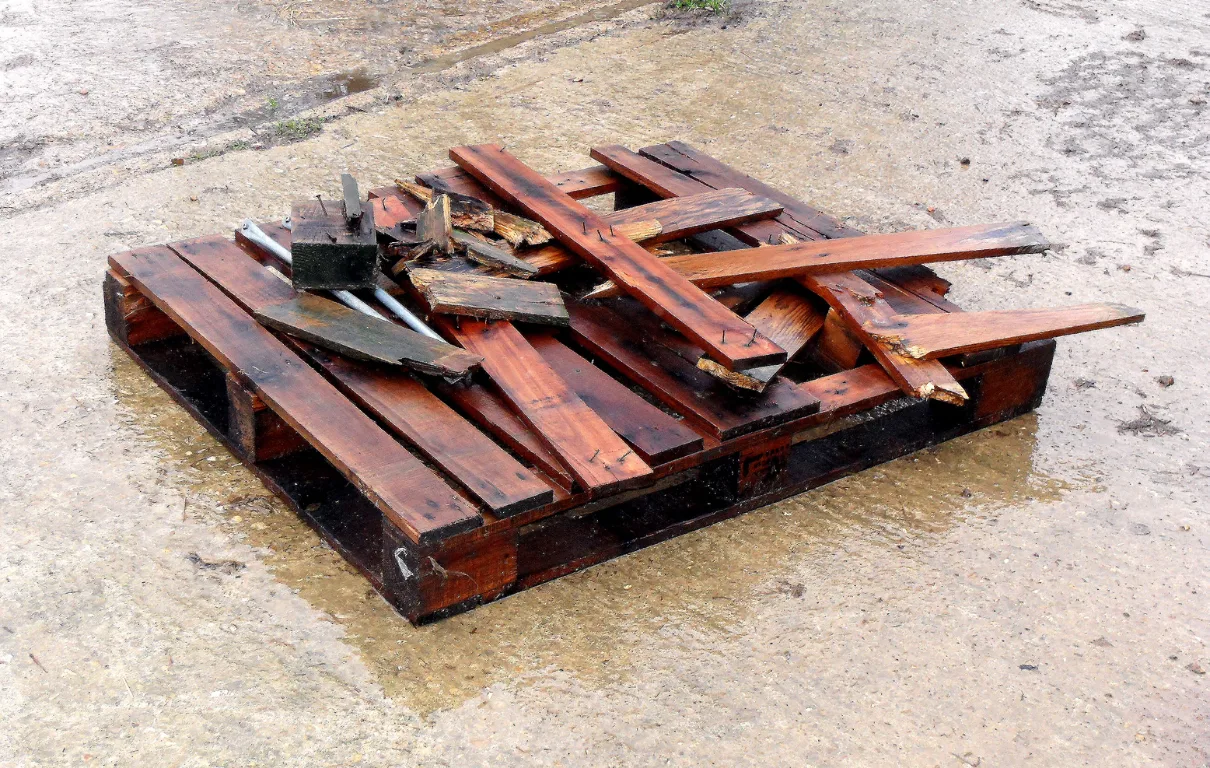
The Dark Side of Wood Pallets For International Shipments
International shipping often treats wood pallets as disposable commodities, but their overlooked importance can lead to significant consequences.
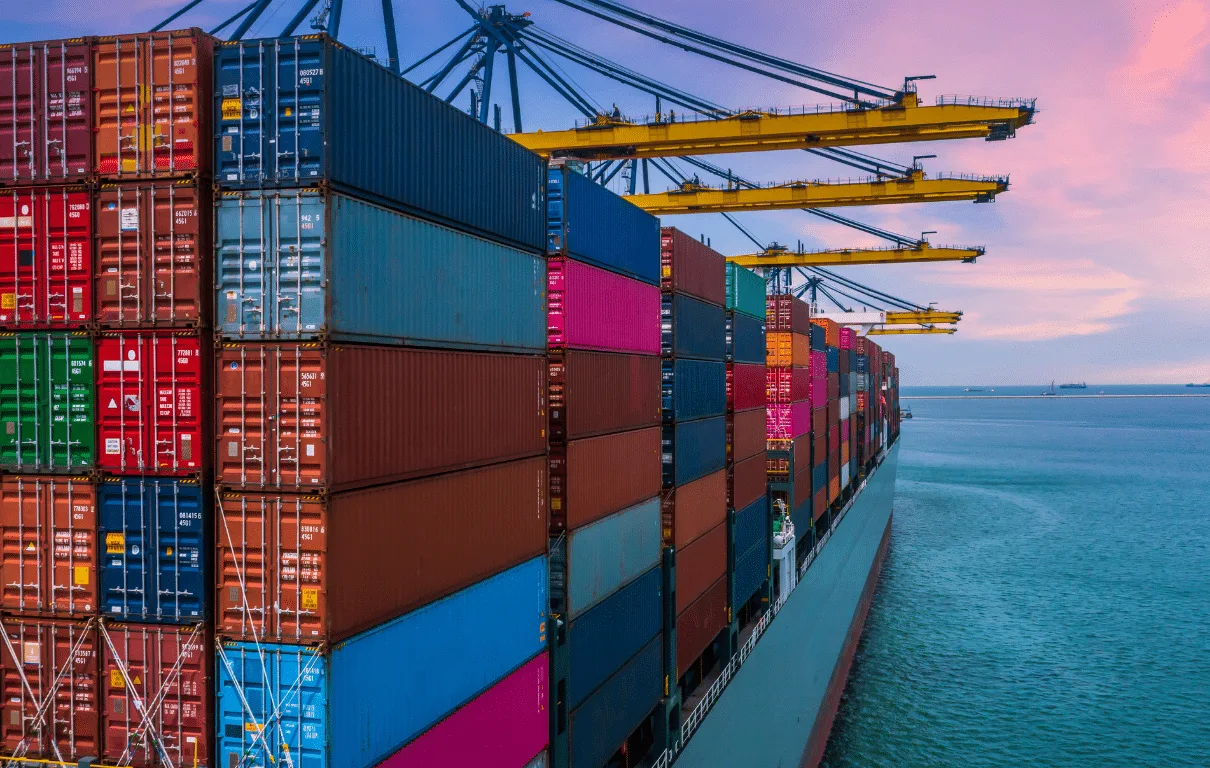
Addressing Phyto Sanitation Risks Importing and Exporting Wood Pallets
Importing wood pallets comes with stringent phyto sanitation measures, including mandatory heat treatment to eliminate pests and prevent the spread of invasive species.
Carbon Farming: It’s Not About Carbon Footprint It’s About Food and Water
Carbon farming represents a significant ideological shift toward regenerative agriculture, emphasizing the restoration and enhancement of natural ecosystems.

What Is Mass Balance? Carbon Neutrality and Science Based Targets
Mass balance is a straightforward method used to track and manage carbon emissions across complex systems. It operates on the principle of combining the impact of each ingredient in your product's formulation.
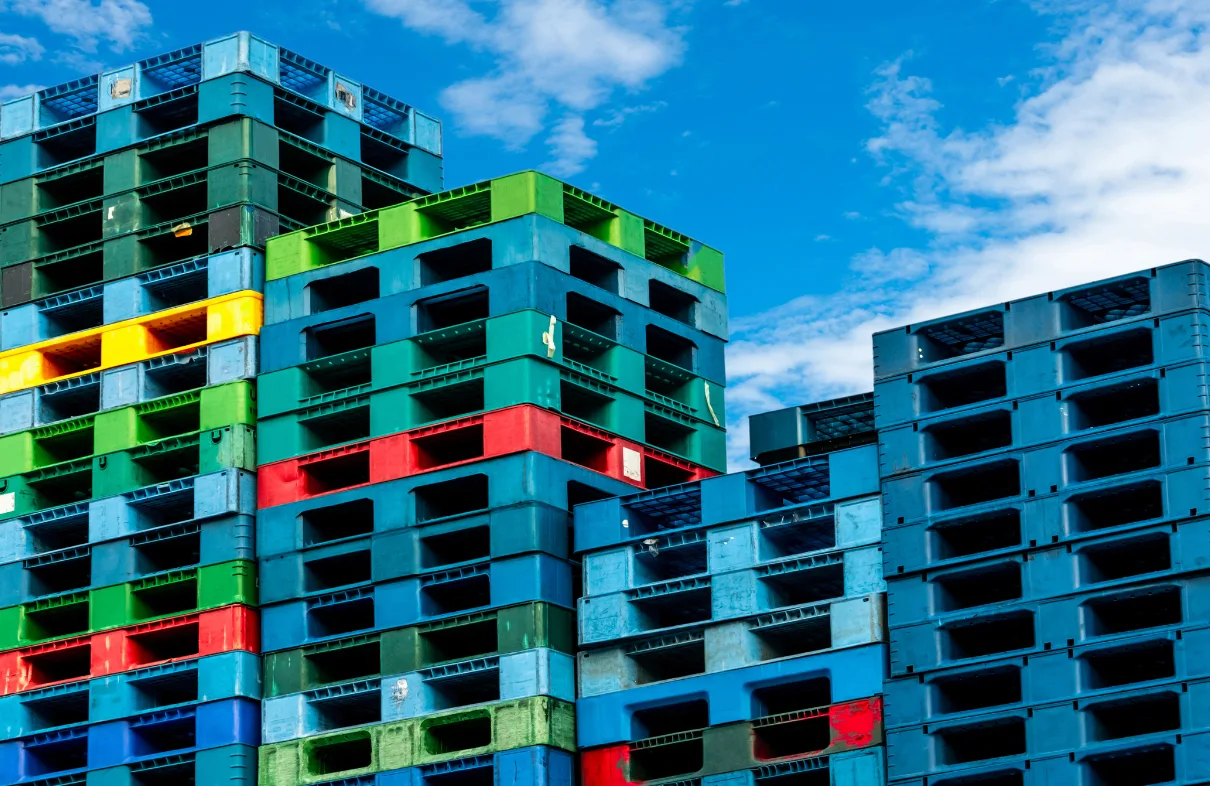
Building a Carbon-Negative Future: Sustainable Packaging
The journey toward carbon-neutral packaging marks a pivotal shift in the global push for sustainability.
Net Zero and the Future Potential – Where Can We Go from Here?
Net zero needs materials that cut cost and carbon together. Where hemp-based Imperium fits in manufacturing's path off fossil fillers.
Sustainability/Industry 5.0 - The First Proactive Industrial Revolution
Industry 5.0 The first proactive industrial revolution. It stands on the shoulders of the first four industrial revolutions, learning from their triumphs and shortcomings.
The Chief Sustainability Officer (CSO)- The Rising Star in the C-Suite
A little newer to the C-suite is the role of Chief Sustainability Officer (CSO). In some cases, the position has existed for over a decade.
Marketing Sustainability through the Lens of a Brand Manager
Brand managers now own sustainability KPIs alongside equity. How materials choices like Imperium turn Scope 3 goals into product stories.
Engineering Earth: Revolutionizing Carbon Sequestration
The pressing challenge of our era is not carbon itself but its imbalance—excessive carbon in our atmosphere and insufficient carbon in our soil.
Why Innovation is Crucial to a 5.0 World for Businesses to Survive
When Thomas Edison famously invented the lightbulb in 1879, it was truly a miracle of science.

Industry 5.0: A Student's Guide to Sustainable Success
For students poised to enter the workforce, understanding and adapting to this new industrial revolution with a focus on sustainability is crucial.
What 5.0 Means to Investors in the New Era of Sustainability
Investors, regardless of type—be it angel, debt, equity, investment banker, fund manager, or venture capitalist—share a common goal: achieving a return on their investment (ROI).
Investing in Manufacturing Innovations: Pioneering a Sustainable Future
Manufacturers produce many types of goods, relying heavily on raw materials such as wood, steel, and petrochemicals—materials that have seen little change in the past 50 years.
John Ely Appointed CEO of Heartland Industries As The Company Grows
Jesse Henry has announced his departure after a transformative four-year tenure, during which he achieved significant milestones that reshaped the plastics industry landscape.
The Road to Net Zero: Paving the Way for a Sustainable Future
The question of whether we can achieve a net zero economy is very complex. The global COVID-19 pandemic offered a stark lesson on the impact of human activity on the environment.

Green is the New Gold: How Sustainability Elevates Brand Value
Brand value is a difficult concept to put boundaries around. Today, one of the most significant drivers of brand value is sustainability.

Scope 3 Emissions - The Good, The Bad, and The Ripple Effect
The Pressure to Report Scope 3 Emissions Last week we touched on the new SEC rules for reporting emissions and as we covered, the new rules only apply to Scope 1 & 2 emissions.
Implementing the New SEC Goals: A Pathway to Sustainable Development
To kick off the 5.0 series, we are starting with a topic that affects all publicly traded companies: the new SEC mandates for reporting emissions.
Chemovator invests in Detroit-based startup Heartland
- Heartland works with local farmers to produce natural fiber materials, enabling manufacturers to create more sustainable products.
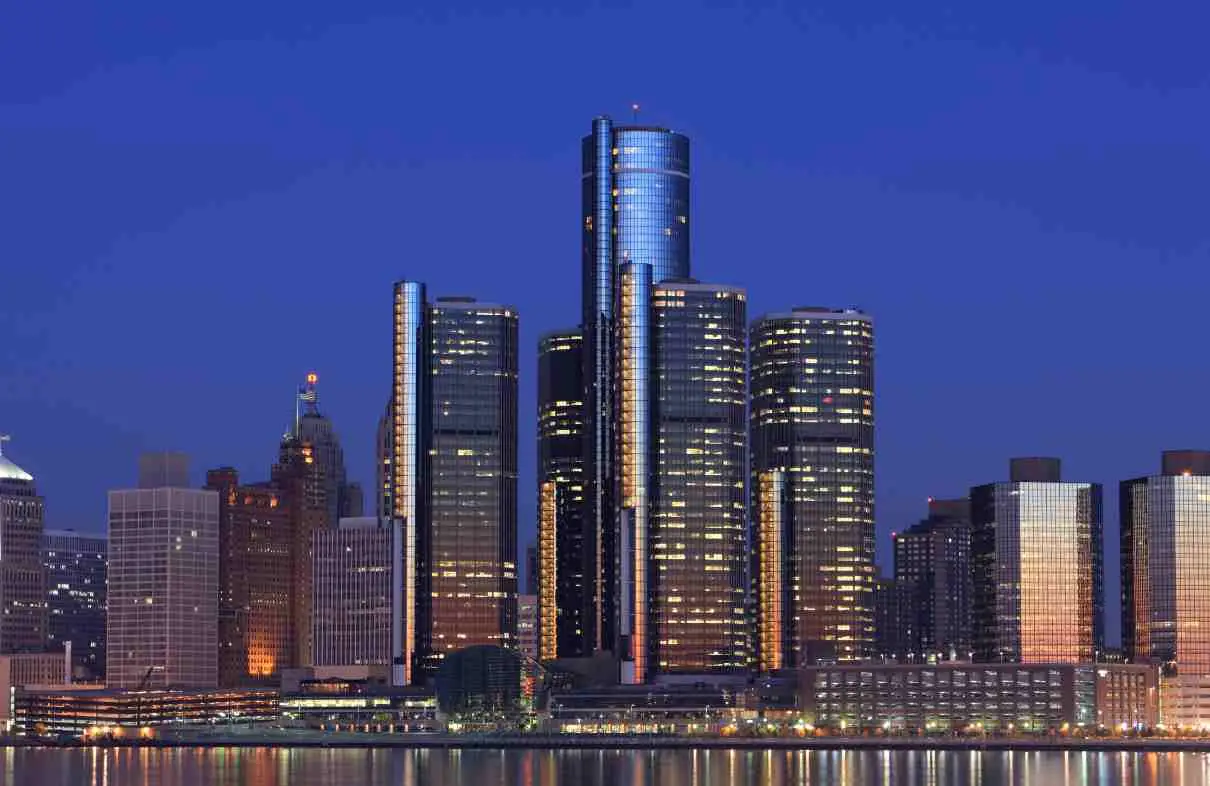
Detroit is Once Again the Center of Mobility Technology
Detroit is again a hub for mobility tech — EVs, lightweighting, and sustainable materials. Why Heartland builds the hemp supply chain there.
The New Sustainable Leadership Era - Why It's Here to Stay
Leadership matters. We hear this all the time, but why? Because all organizations follow the mindset of the leaders in charge. We follow leaders for direction.
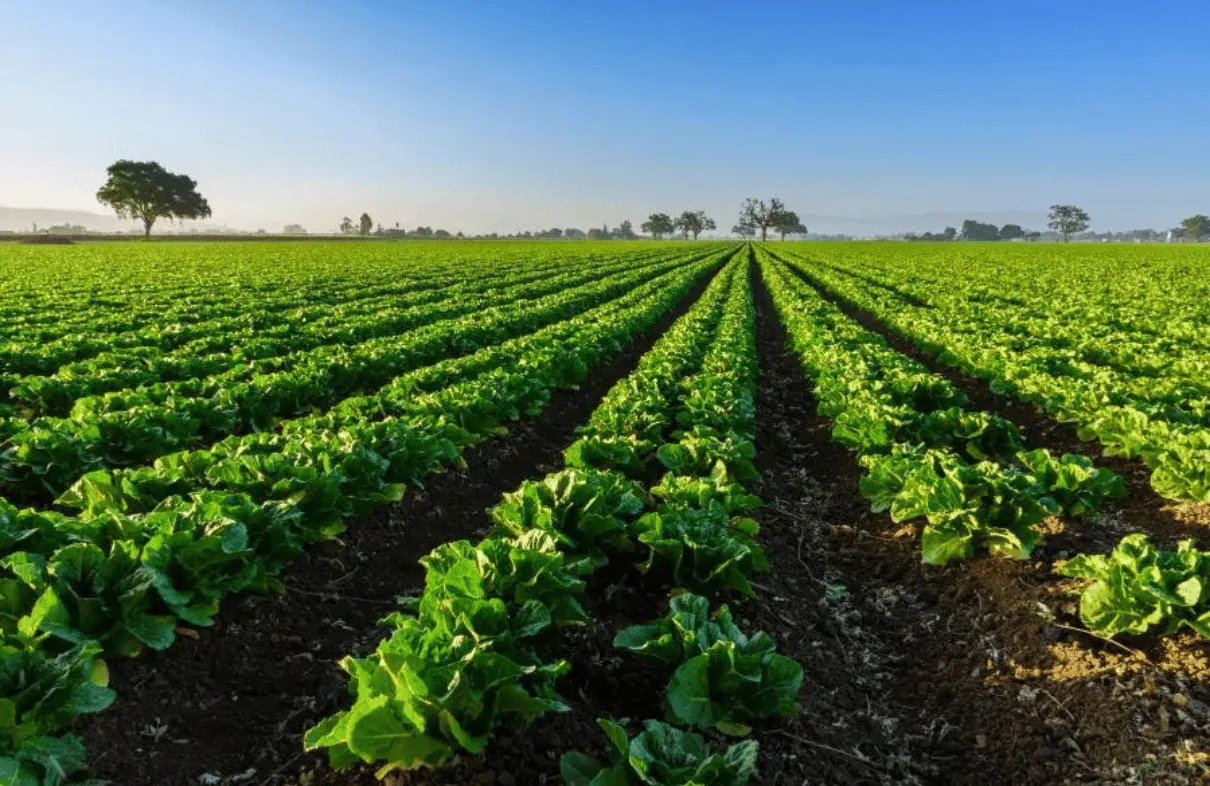
Engineering Earth: Rethinking Agriculture After 100 Years of Innovation
Over the last 100 years, we have begun Engineering Earth as mechanization has enabled our farming community to do the unthinkable.
Heartland Industries - 2023: A Year of Sustainability, Innovation, and Growth
As we step into a new year, we'd like to take a moment to reflect on the remarkable journey that was 2023 for Heartland Industries.
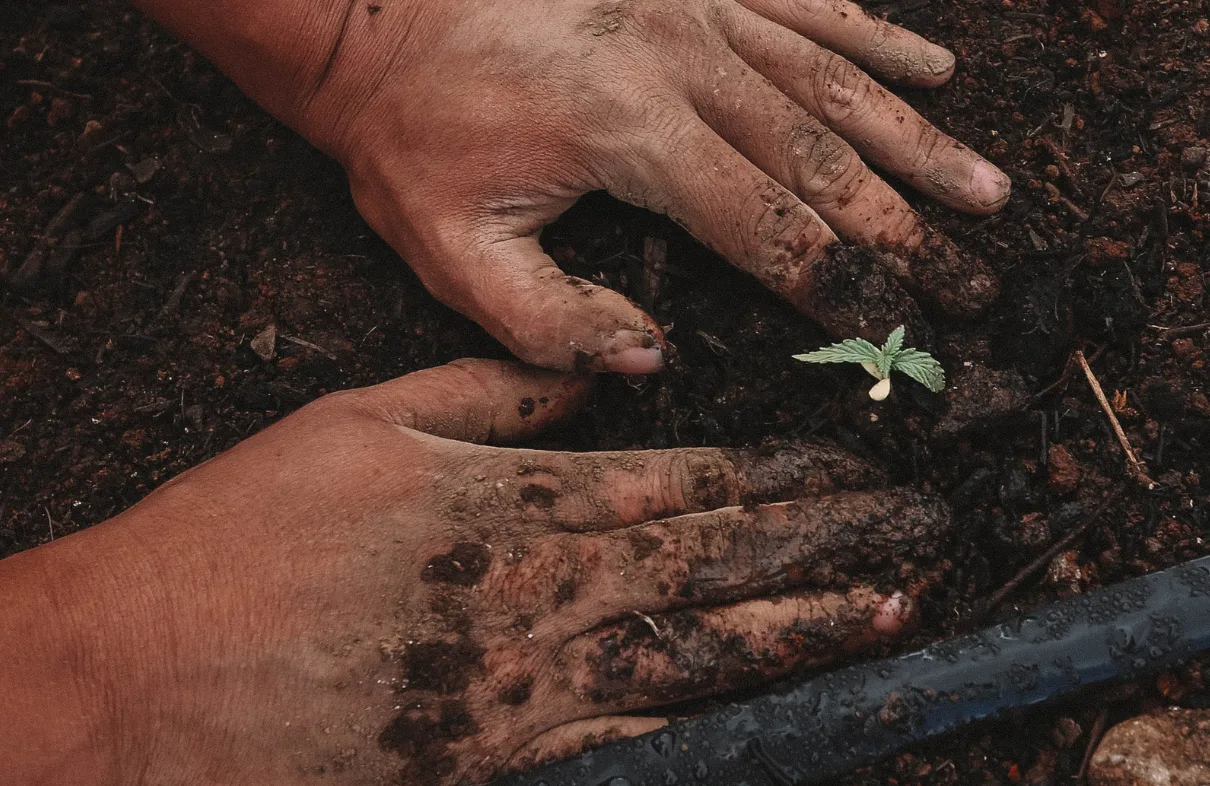
Industrial Hemp Planting 2024: The Year of Growth and Standardization
As we roll into 2024, many farmers are scratching their heads, looking for more reliable options than the old standbys of corn and soybeans.
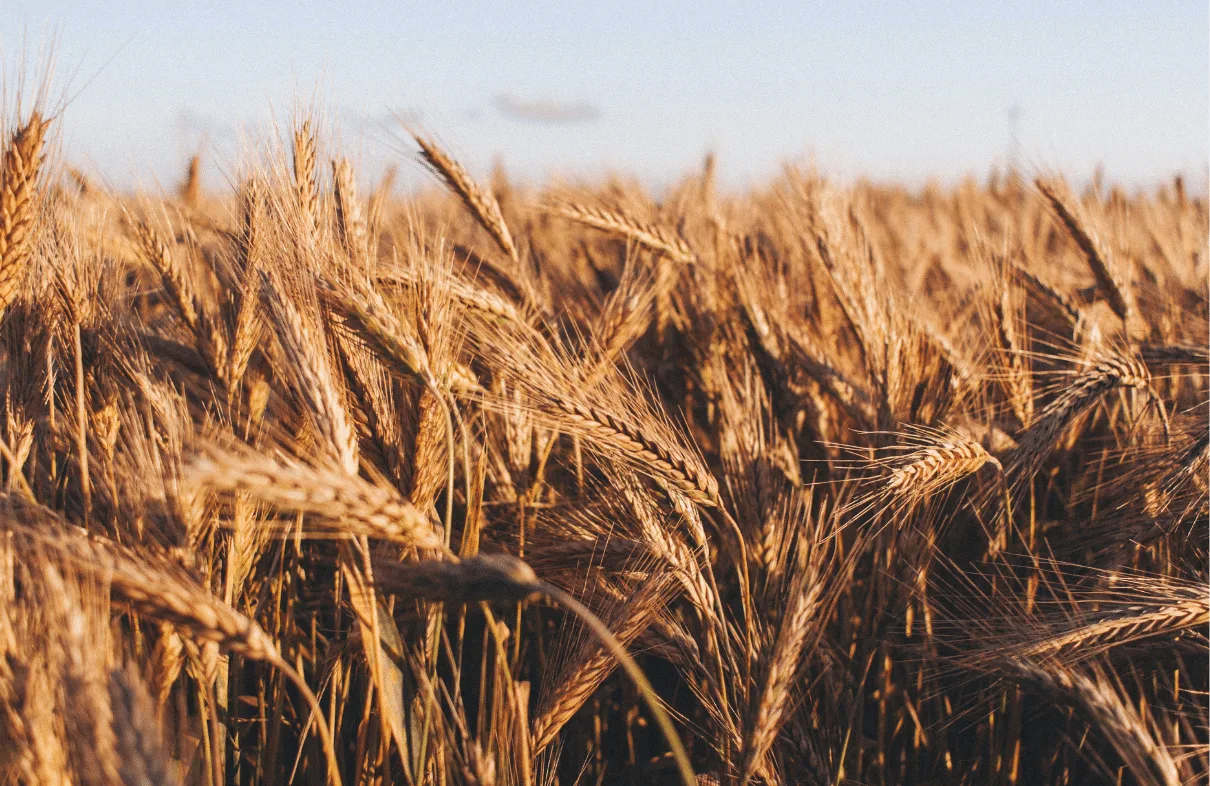
Planting Hemp Fiber in the Summer Behind Winter Wheat
Winter wheat is a common crop in a farmer's rotation. Typically planted at the end of the season in fall and harvested in early summer, around July.
Heartland Joins Forces With The Hemp Fiber and Grain Association
An association acts as a central hub for information exchange, providing a platform for professionals to share insights, best practices, and the latest developments.
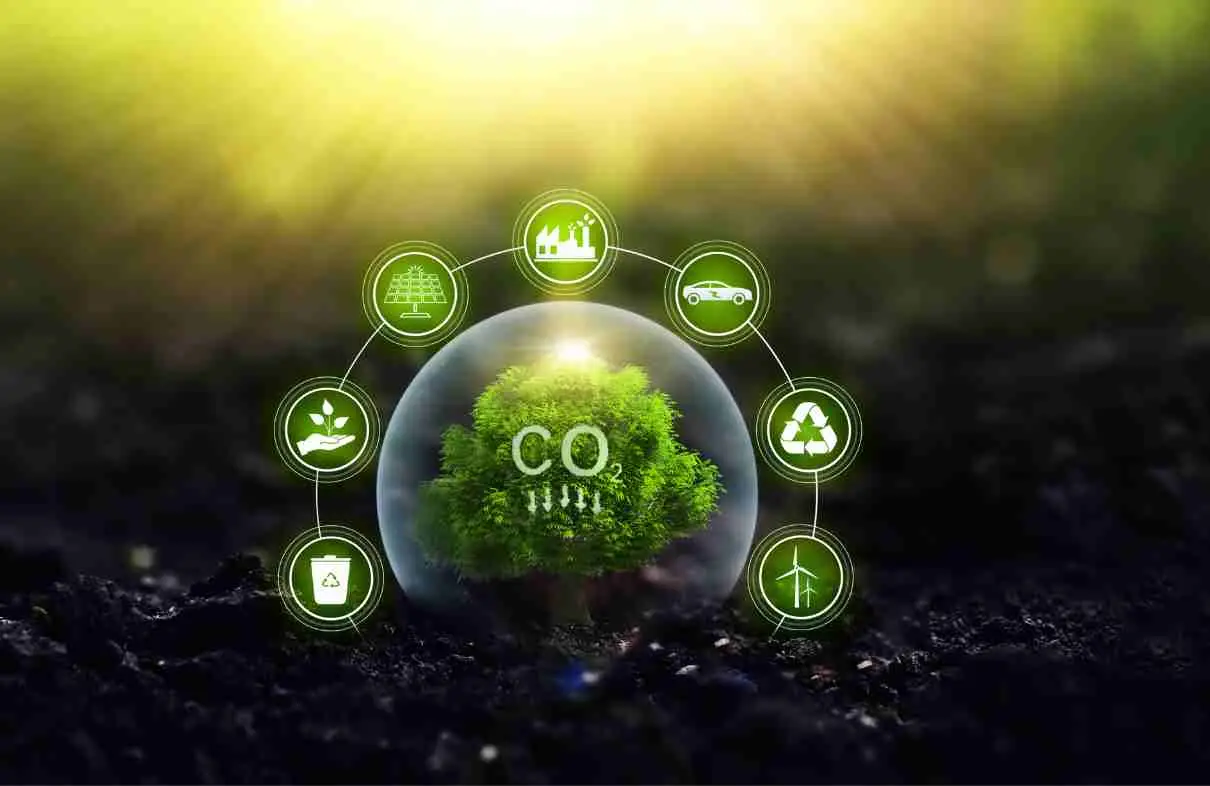
Navigating Complex Scope 3 Emissions - Strategies for Manufacturing
We read about Greenhouse Gas Emissions (GHGs), Corporate Carbon Footprints and the overall journey towards Net Zero almost every day.

Jesse Henry on The Future of Mobility Podcast with Brandon Bartneck
The Future of Mobility podcast is hosted by Brandon Bartneck as a means of showcasing all of the work being done to improve sustainability for everyone.

Driving Towards Sustainability - Shedding Pounds to Save Energy!
Transportation is foundational to human experience. Humanity has evolved from carriages, buggies, and bicycles into dozens of different types of scalable motorized activities.

The Scope 3 Carbon Footprint Of A Plastic Automotive Part
In recent years, the automotive industry has witnessed a significant shift towards the use of plasticsin various vehicle components.

2 Ways Automotive Manufacturers Are Decarbonizing Their Plastic
Decarbonization is a big word, with many meanings depending on your industry. In metal, it is attributed to the energy used to make your parts.
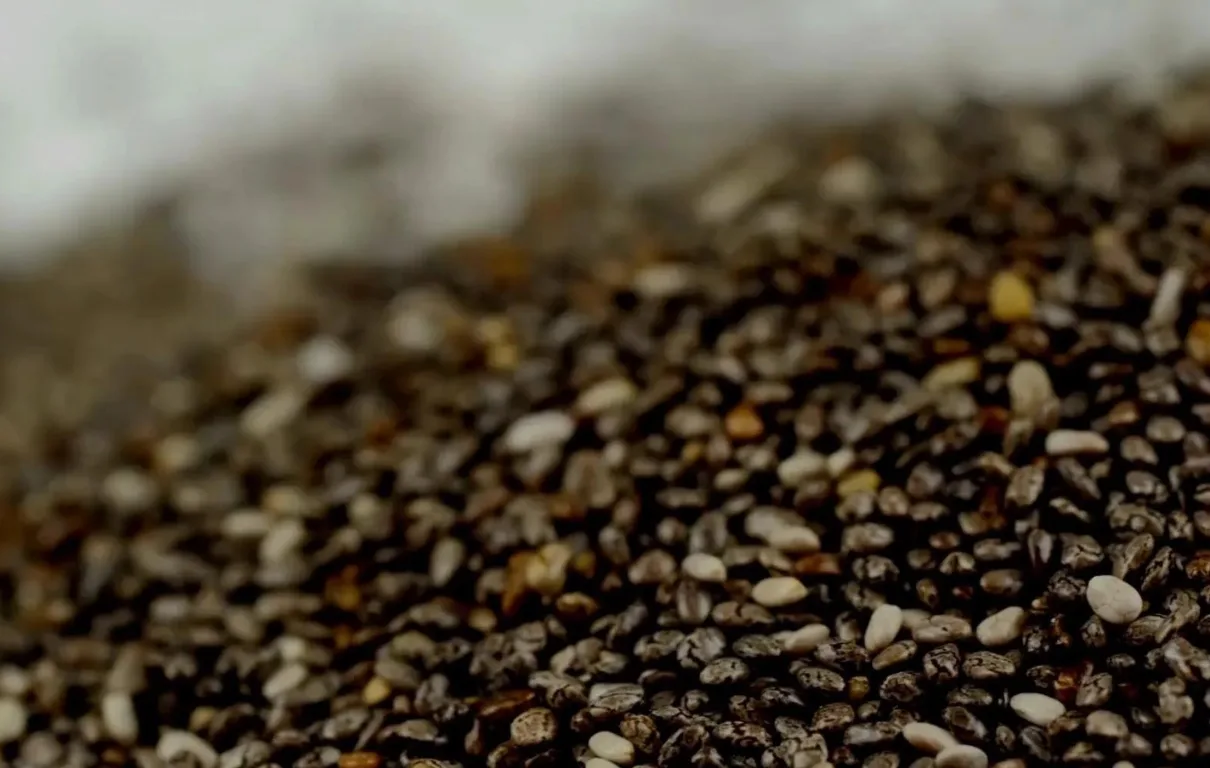
Did You Know Farming Hemp Fiber Doesn't Remove Food From The Supply Chain?
Heartland is one of the largest hemp fiber producers in North America, and the largest hemp fiber producer in the US.
Top 3 Ways Manufacturers Can Decarbonize Plastic Products
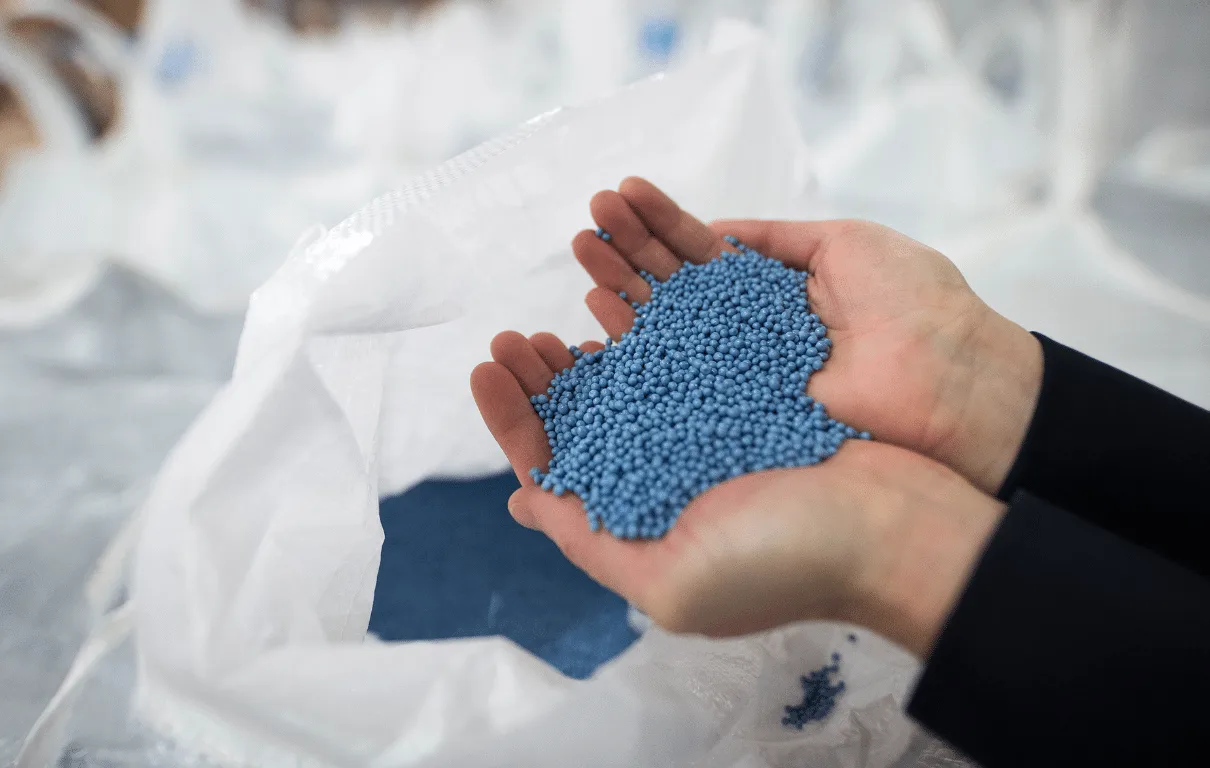
Over the last 100 years, plastic has evolved in every way. New, high-performance plastic has been identified by researchers searching for the next molecule.
Heartland Presents The Green Packaging Initiative at The SPE Event in Ohio
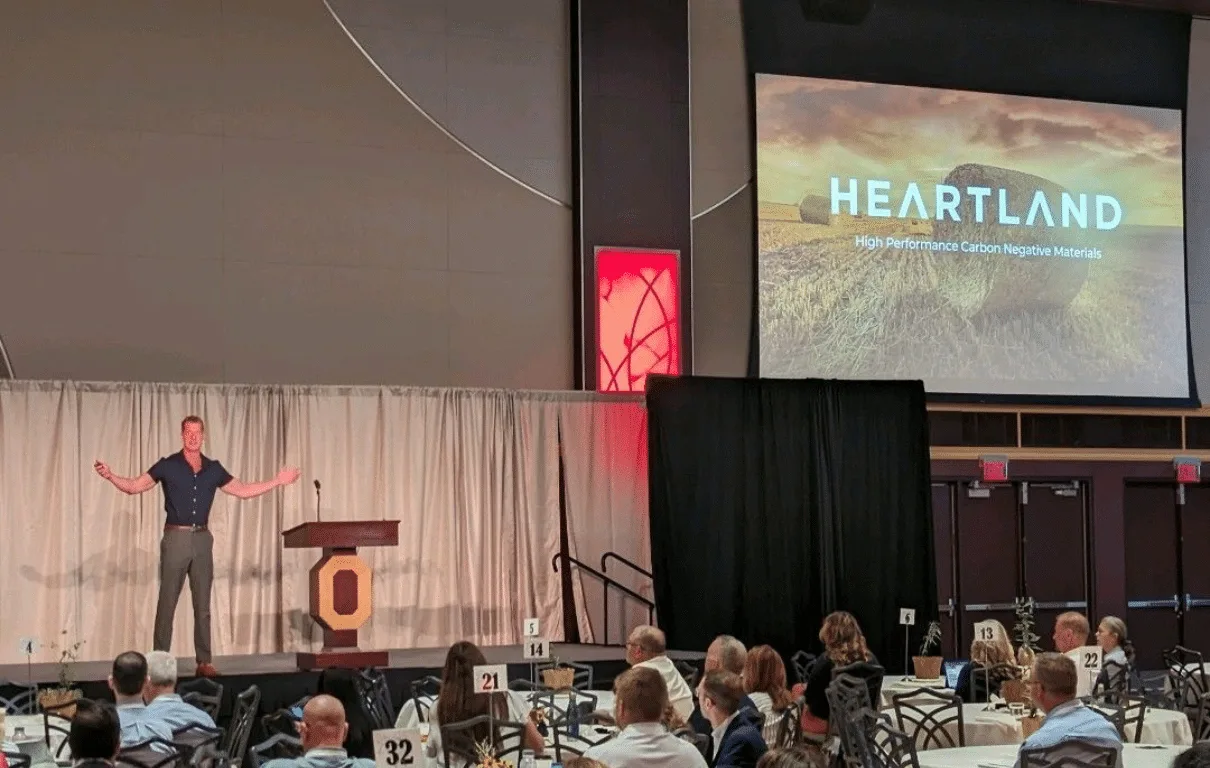
Packaging is a core component of shipping goods around the world. Everything from pallets and crates to cardboard boxes and protective wrap.
Hurd Milled Presents Uncessesary Challenges For Compounders
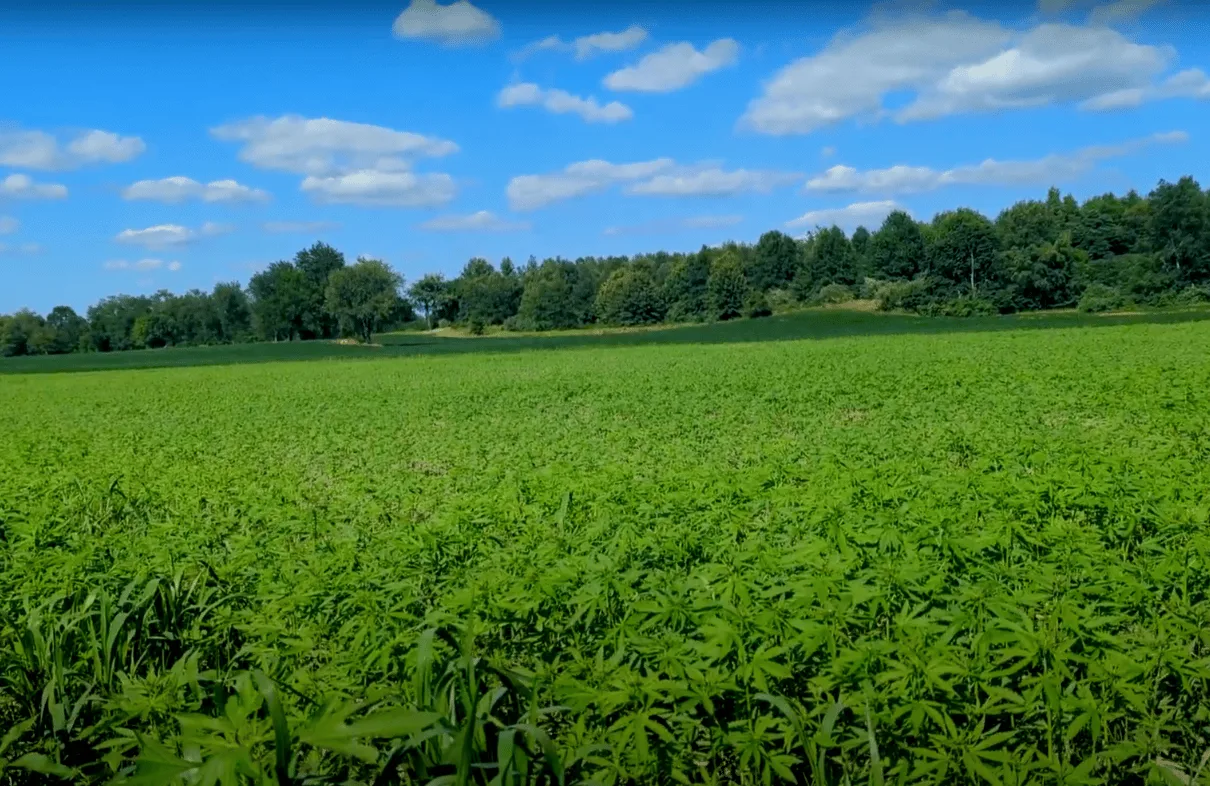
The hemp stalk can be separated into two parts. The fiber is used as a reinforcement agent and the hurd can be used as a filler.

Innovations in the Auto Industry are Speeding Our Way
A good way to predict the future is to look at what the innovative industries, which are generally on the leading edge of technology and advancement, are working on.
Tips and Tricks To Compounding Hemp Filler with Nylon
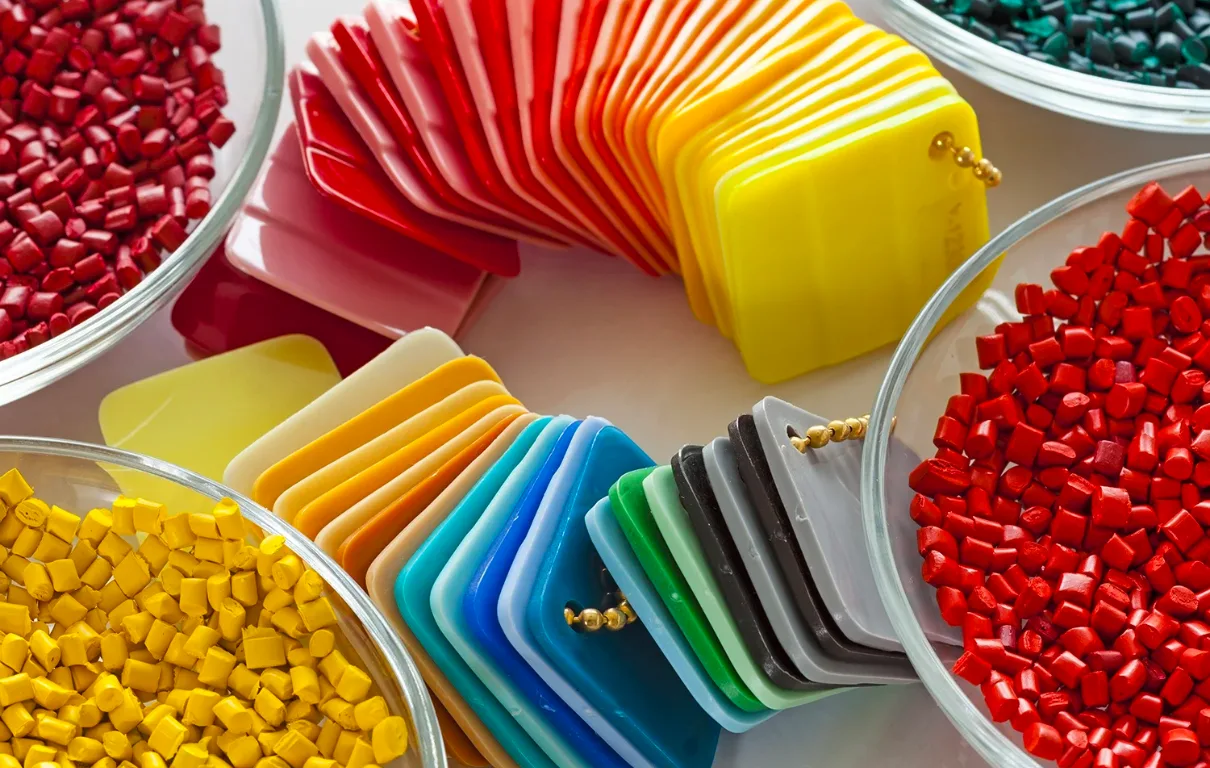
Hemp fiber is an incredible crop with a long history of performing in rigorous environments.
Tips and Tricks To Compounding Hemp Filler with Polyethylene
Hemp fiber is an incredible crop with a long history of performing in rigorous environments.
Tips and Tricks To Compounding Hemp Filler with Polypropylene
Hemp fiber is an incredible crop with a long history of performing in rigorous environments.

Tips and Tricks To Compounding Hemp Filler with PVC
Hemp fiber is an incredible crop with a long history of performing in rigorous environments.
Imperium Filler vs Hemp Filler Performance & Cost Comparison
Hemp fibers exhibit remarkable tensile strength, making them extremely durable. Despite their strength, hemp fibers are relatively lightweight.

Opening Up the New Industrial Hemp Supply Chain in America
The 2018 Farm Bill had a significant impact on the industrial hemp supply chain in the United States.
Alternative to Talc & Calcium Carbonate in Plastic: Hemp Additives
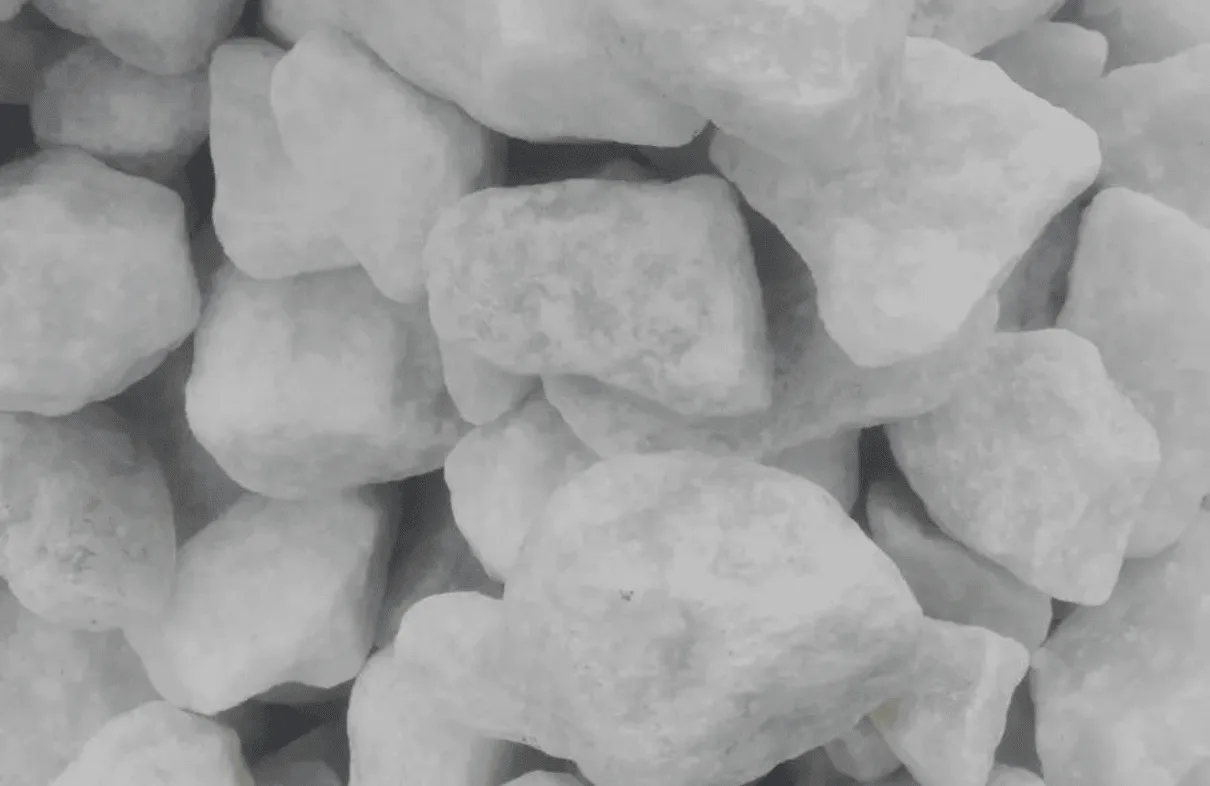
If you take a look around, you’ll see that plastics make up much of the world around you. However, very little of what you see is pure plastic.

Why Innovation is Crucial to Our Collective Carbon Neutral Future
Innovation will be a critical element of the next business revolution, that’s not really up for debate as almost everyone agrees.
Heartland & Magnolia Partners - Decarbonized Industrial Packaging
Heartland Industries is the leading natural fiber producer developing new technologies, including industrial packaging, that can help manufacturers around the world reduce scope 3 emissions.
Hemp – Of All Natural Materials, It's The Natural Fiber of Choice!
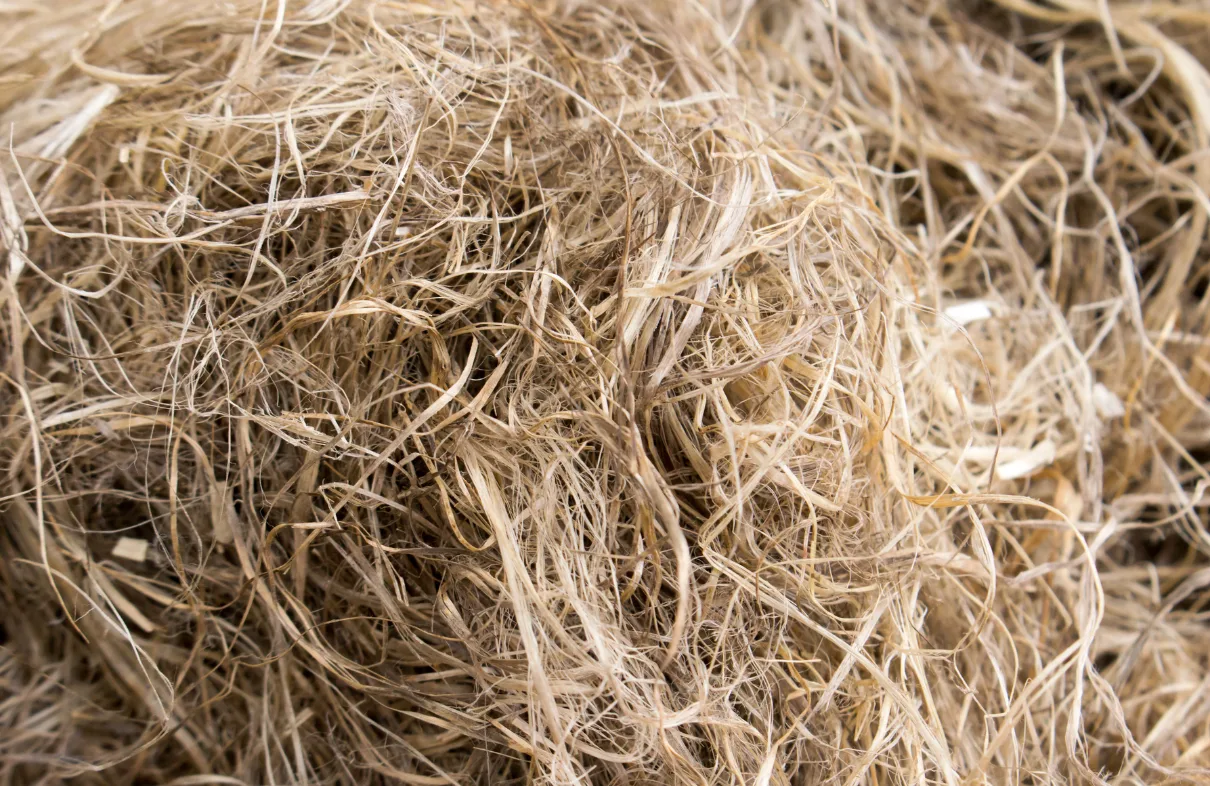
Industrial hemp is the natural-fiber upgrade over polyester and rayon: strength, low inputs, and American supply for textiles and materials.

Heartland Presents The Results of Magna & BASF Trials
The GoMove program is an automotive partnership between BASF and Magna to develop sustainable products. There were over 100 applicants and ultimately 5 startups were accepted into the program.
Heartland Increases Hemp Fiber Farming in Michigan Winter Wheat
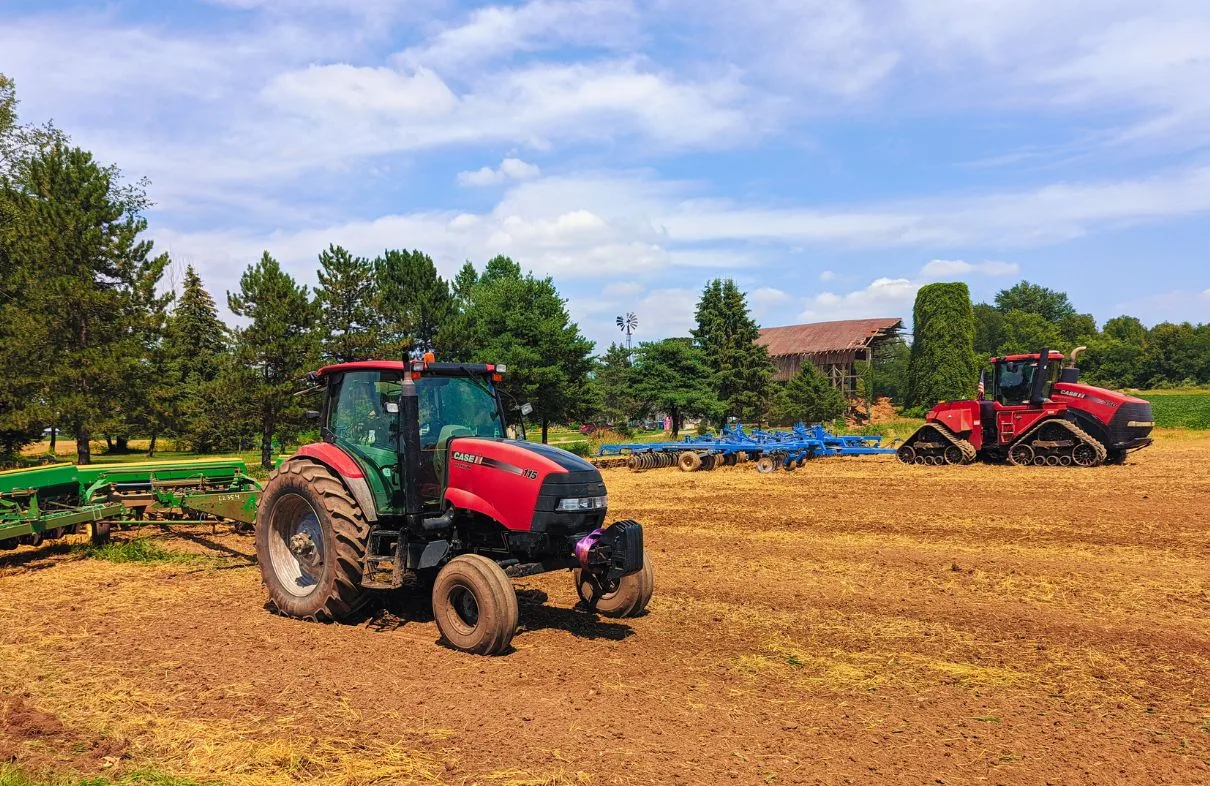
Hemp production in the United States is on the rise, albeit still on a small scale compared to staple crops like wheat, corn, and soy.

The Difference Between Industrial Hemp, CBD and Cannabis
We understand that there are some established connotations about hemp, CBD, and cannabis. The misunderstandings happen because we call hemp “cannabis” and we call cannabis “hemp”!
An Open Letter In Support of High-Integrity Carbon Markets
The following letter was penned by Sylvera in response to the urgent need for the wide-spread adoption of carbon credits.
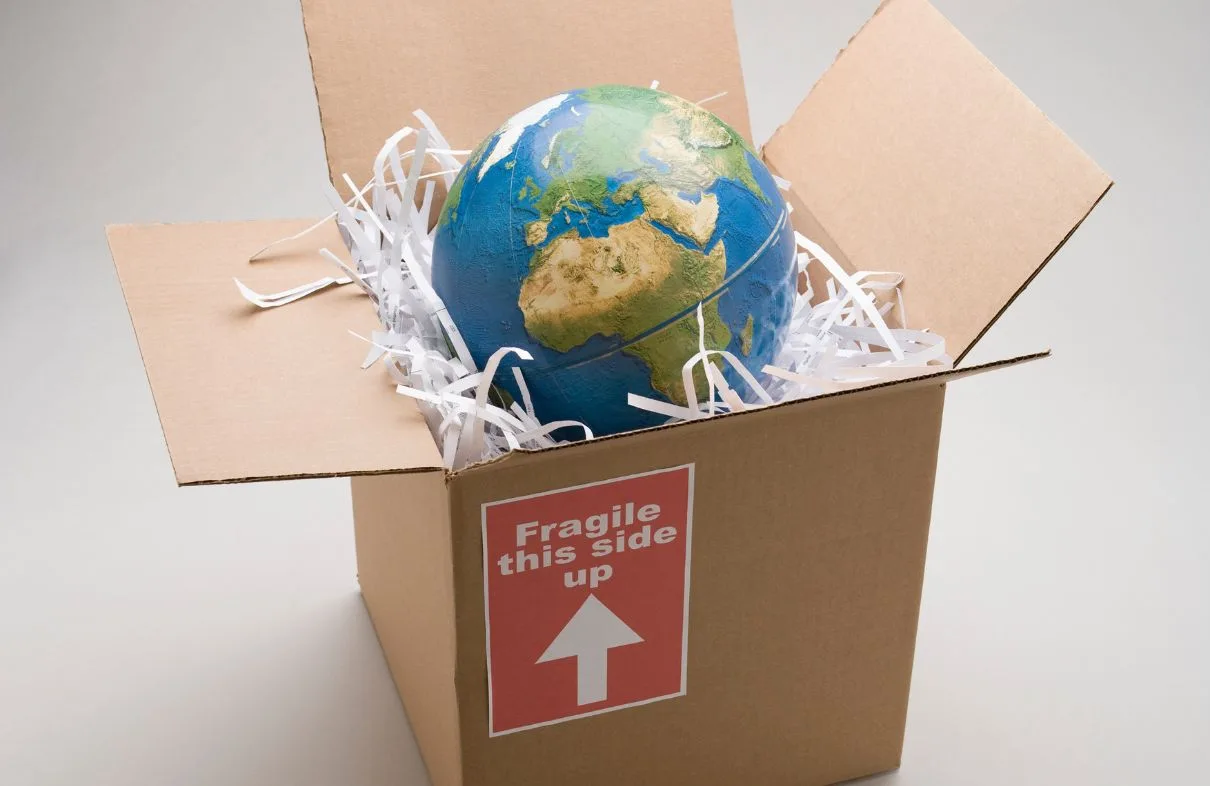
Industrial Packaging - The Best Business Entry Point for Sustainability
We hear the question a lot. “I want my company to be more sustainable, but where do I start?” It’s understandable.

The Future of Materials - A Chance to Change the World Forever
Materials innovation is constantly on the move. From the beginning of recorded history, humans have been working with tools and their associated materials.
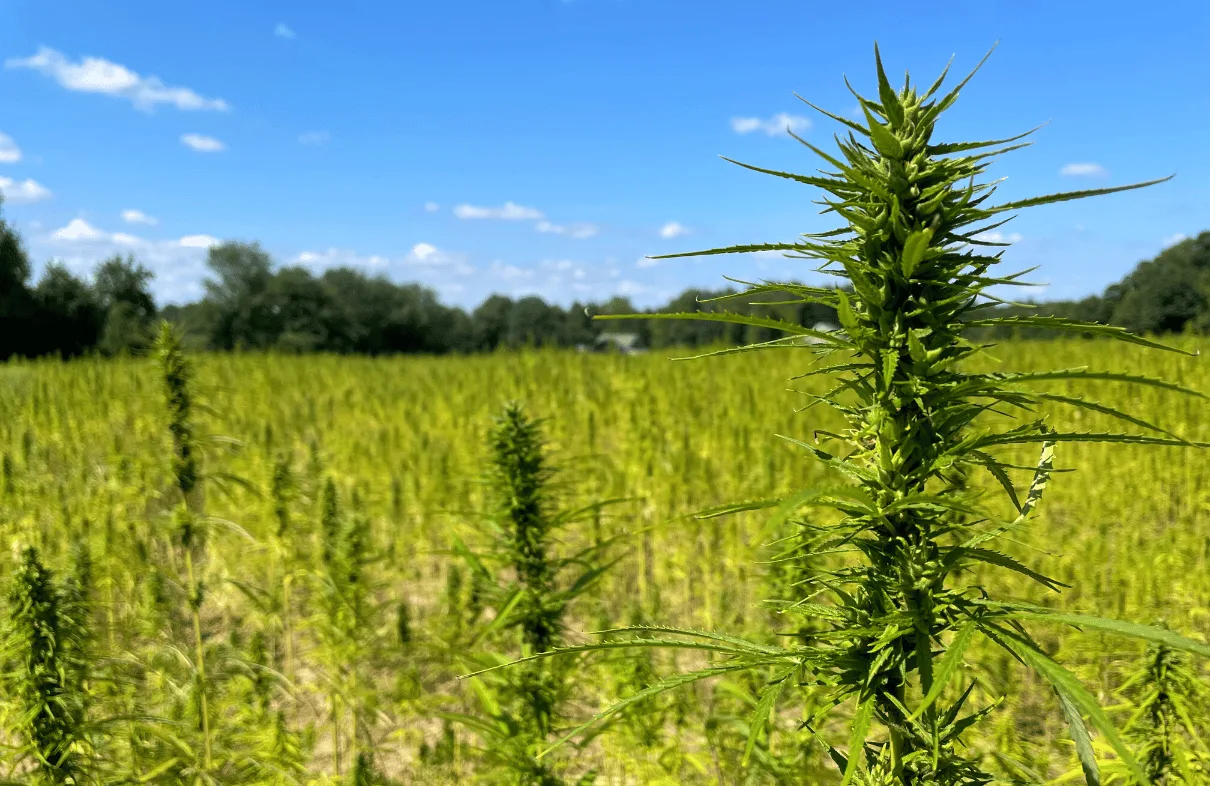
First Industrial Hemp Fiber LCA For Carbon Negative Additives
Today, Heartland announced the completion of its Life Cycle Assessment. This represents a shift in how manufacturers can look at the effectiveness of carbon-negative plastic additives.
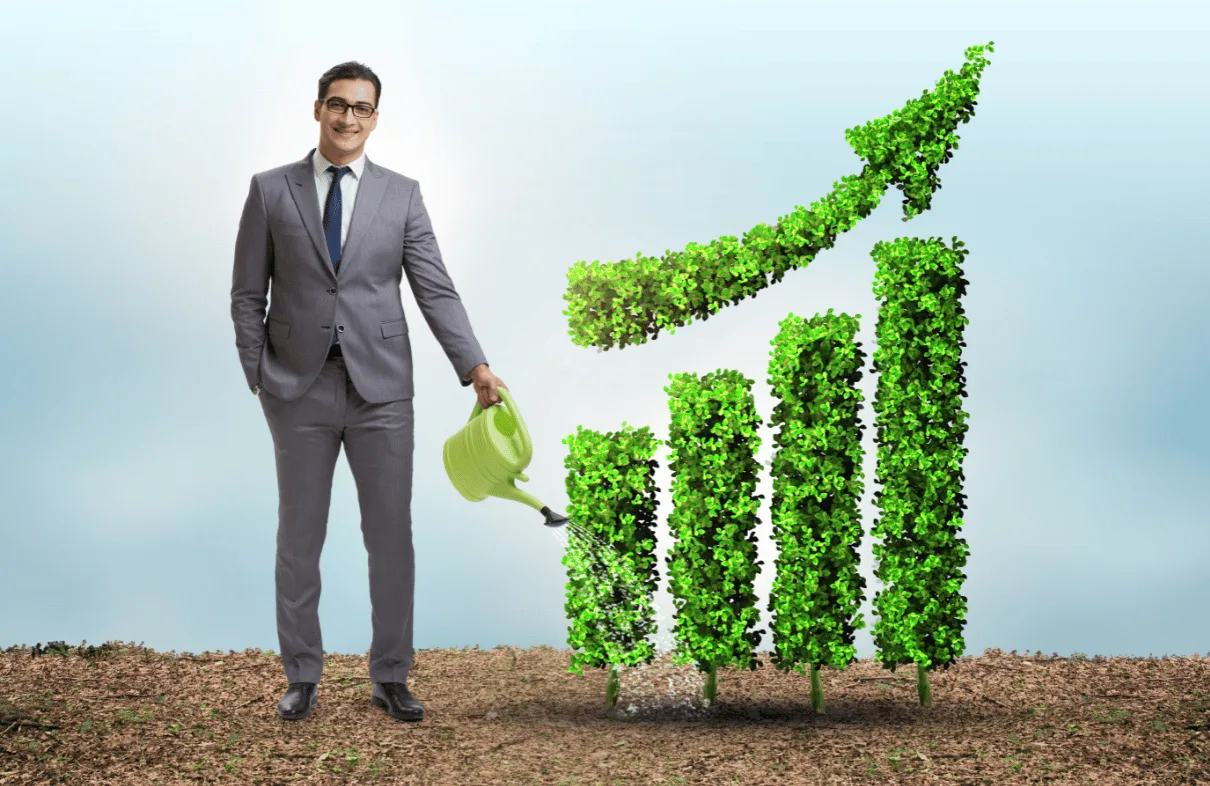
How Sustainability Builds Brand Value and Gives You a Competitive Advantage
In an earlier article, we looked at howbrand equity is tied to your company's sustainability initiatives.
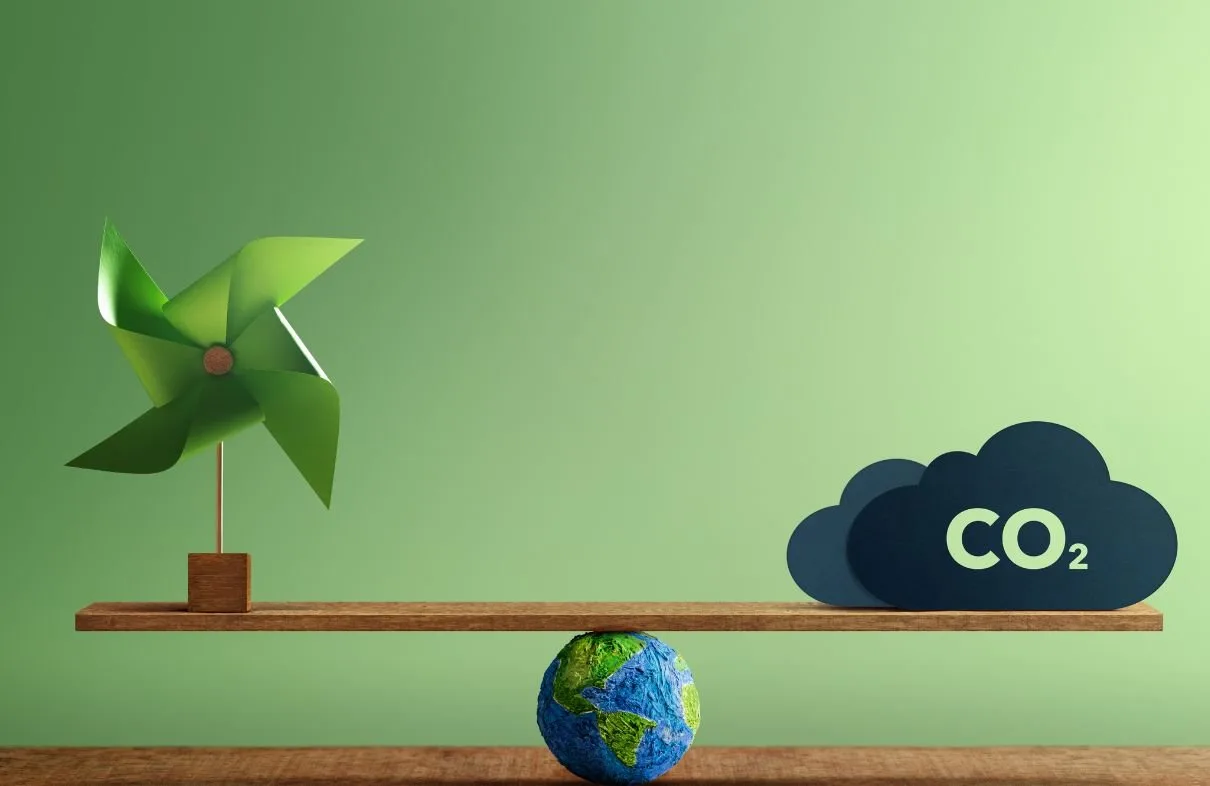
Carbon Emissions - How They Affect Your Business In 2026
Carbon emissions from burned fuels drive climate risk and rising compliance costs. How manufacturers can cut Scope 1–3 with lower-carbon materials.
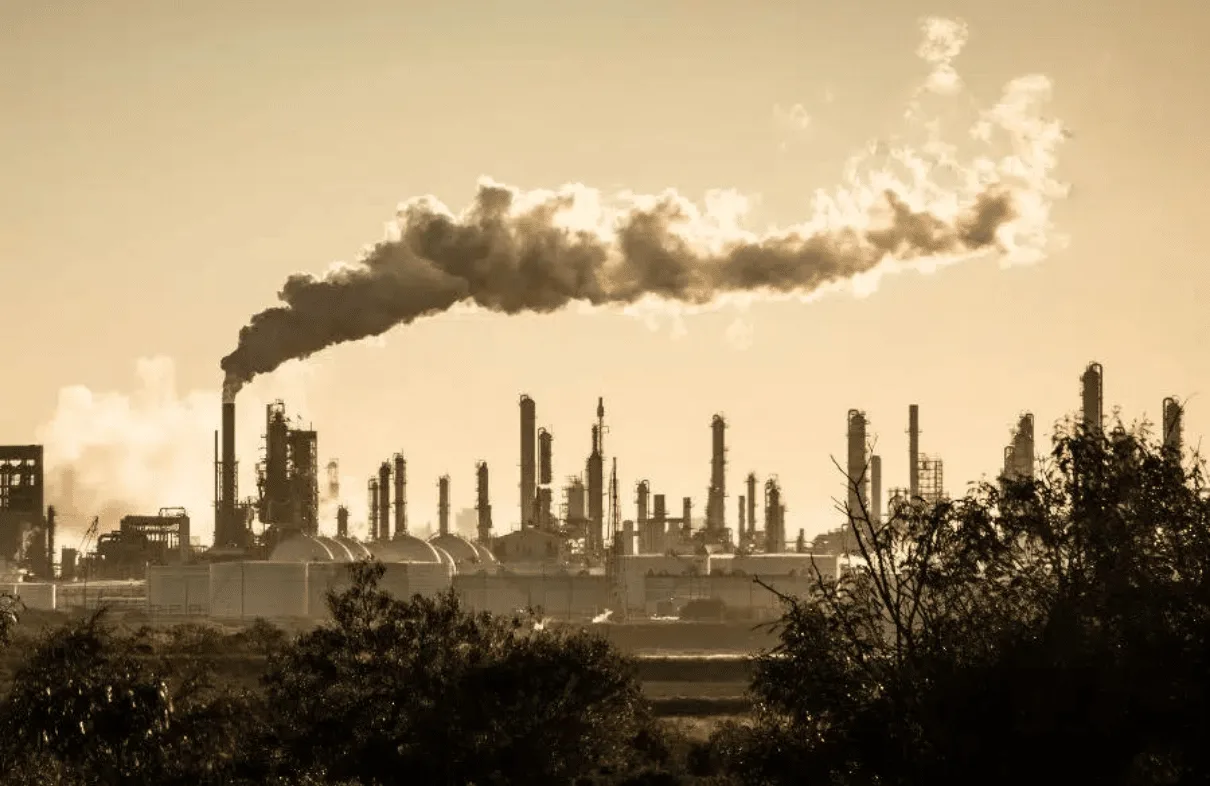
SEC Proposes Rules to Standardize Climate Disclosures
When the stock market crashed in October 1929, so did public confidence in the U.S. markets. Congress held hearings to identify the problems and search for solutions.

Heartland Augments Glass Fiber in Plastics with Hemp Alternatives
Glass is one of the most common raw materials we see in use today. It can be made into anything from windows to tableware to furniture, and the list goes on.

Heartland Presenting Hemp Fiber At The Detroit Auto Show 2022
The Detroit Automotive Show is finally back after a few-year hiatus. The Big 3 American OEMs and their suppliers were out to show the world the innovations they’ve been working on for years.
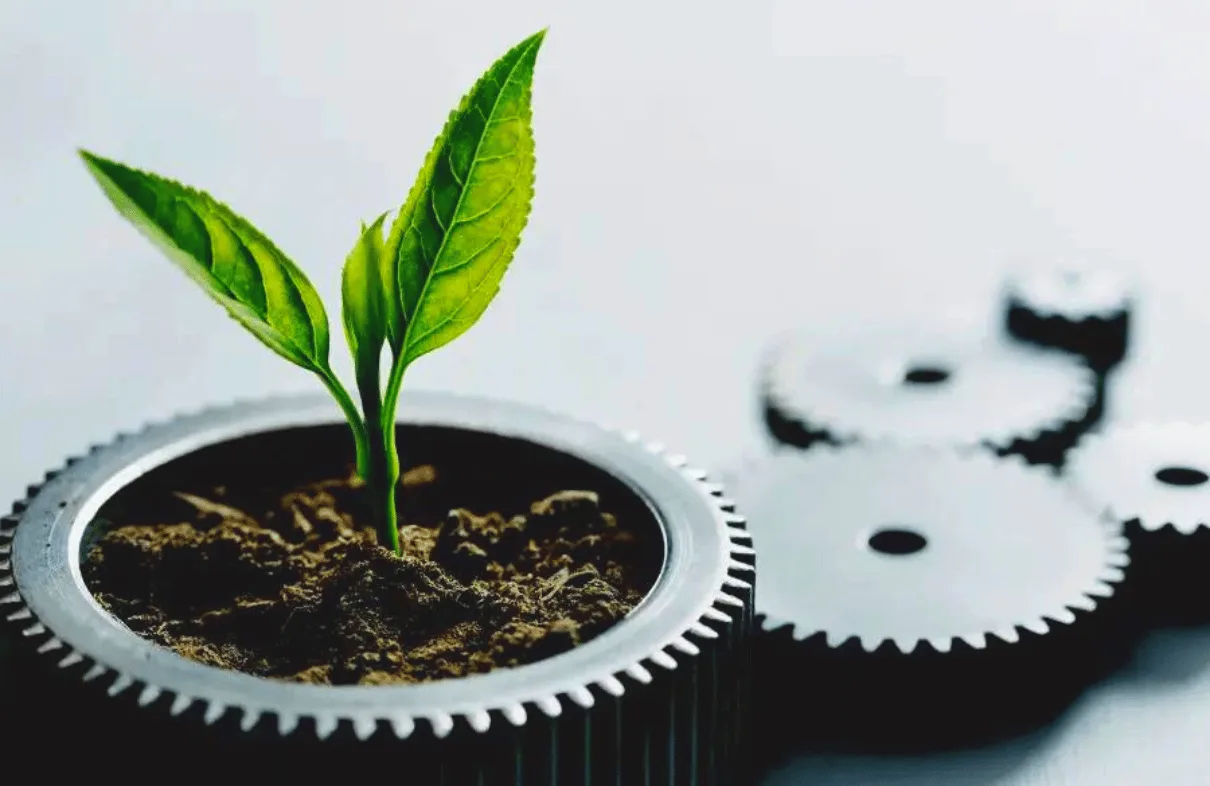
Developing Carbon Credit Markets for the Industrial Hemp Value Chain
Carbon Credits are gaining interest in the industrial hemp marketplace, but not without significant confusion. It’s time to set the record straight.
Problems & Solutions - Compounding Natural Fibers Into Plastics
Plastic compounders have been trying to figure out how to integrate sustainable materials into their products for years.

The Benefits of Hemp Fiber Reinforced Polypropylene for the Automotive Industry
Heartland Industries produces hemp-reinforced polypropylene with our plastic additives that can be used in the automotive industry.

The Ultimate Guide to Plastics of the Future Part 10 - Plastics and ESG Mandates
For more than twenty years, the World Economic Forum has been providing a platform for international dialogue for leaders around the globe.

The Ultimate Guide to Plastics of the Future Part 11 - Materials Innovation
Plastic has been the most widely-used material in manufacturing for the last 70 years. In fact estimates show that we have produced nearly 10 billion tonnes of plastics since 1950.

The Ultimate Guide to Plastics of the Future Part 12 Capitalism & Sustainability
Innovation alone will not get us to the necessary sustainable levels to save the planet. It will require regulations, collaboration and assigning a “value” to carbon and waste materials.

The Ultimate Guide to Plastics of the Future Part 3 - Plastics and Recycling
Over the last decade, the push for people and companies to become more sustainable has been at the forefront of conversation.

The Ultimate Guide to Plastics of the Future Part 4 - Bioplastics
Bioplastics are a new type of plastic that is made totally from renewable resources.

Plastics of the Future Part 5 - Biodegradable and Compostable Plastics
Single-use plastics are definitely one of the many key contributors to the current solid waste crisis. While they may be used for a short time, they cause a lot of harm because of how quickly they pile up in landfills.

The Ultimate Guide to Plastics of the Future Part 6 - Bio-Based Additives
Most of the plastics we see around us use additives to modify performance. Typically, additives used in the plastics industry are mined or synthetic materials.

The Ultimate Guide to Plastics of the Future Part 7 - The Path for Hemp Additives
As we mentioned in the previous section, bio-based additives are becoming increasingly popular as plastics additives, and one of the most promising is industrial hemp. Let’s look at why in detail.

The Ultimate Guide to Plastics of the Future Part 8 - Engineering Hemp Additives
The performance characteristics of biomaterials have been known for generations.

The Ultimate Guide to Plastics of the Future Part 9 - Sustainable Packaging
There are countless types of product packaging in use today and unsurprisingly, plastic makes up the majority of packaging materials (up to 90% by some estimates).

Industry 5.0 – Why Sustainability Will Be The Next Revolution
The Industrial Revolution of the 19th century transformed lives all over the world. As we will see, all major revolutions have their “Pros” and “Cons”.

The Ultimate Guide to Plastics of the Future Part 1-The History of Plastics
Over the past 100 years, our society has become increasingly reliant on plastic to manufacture the products we use every day.

The Ultimate Guide to Plastics of the Future Part 2 The Big Issue - Carbon!
Carbon is one of the most important elements for life on Earth and it is created through natural processes like volcanic eruptions, forest fires, decomposition of plants, animals, and other natural events.

Why Future Investors will Focus on Materials Innovation
Investors are shifting toward materials innovation that prices carbon and supply risk. Why hemp platforms sit in that thesis.
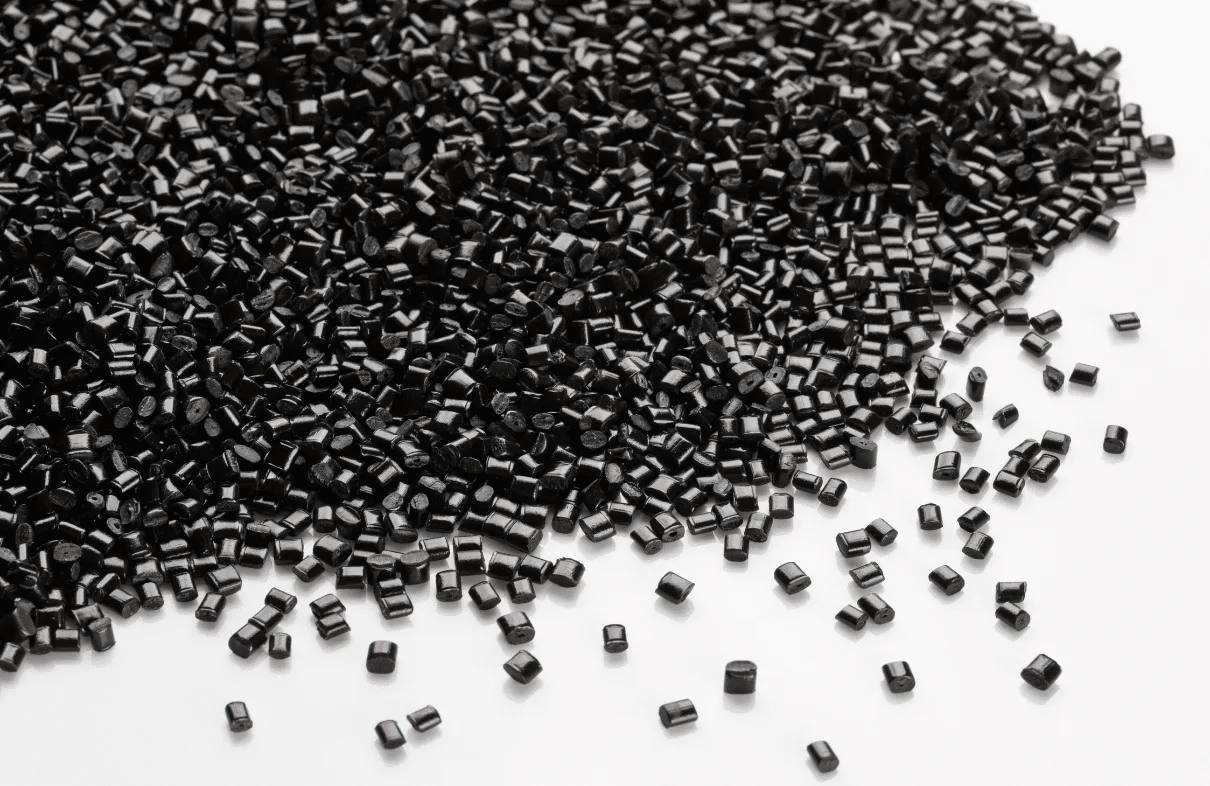
3 Important Questions to Ask Your Resin Supplier or Plastics Compounder
Plastic resin is one of the most commonly used raw materials in manufacturing across every industry. Today, plastic is used because it is strong, cheap (sometimes), and lightweight.
Resin Additives - The Move Towards Sustainable Bio-Based Materials
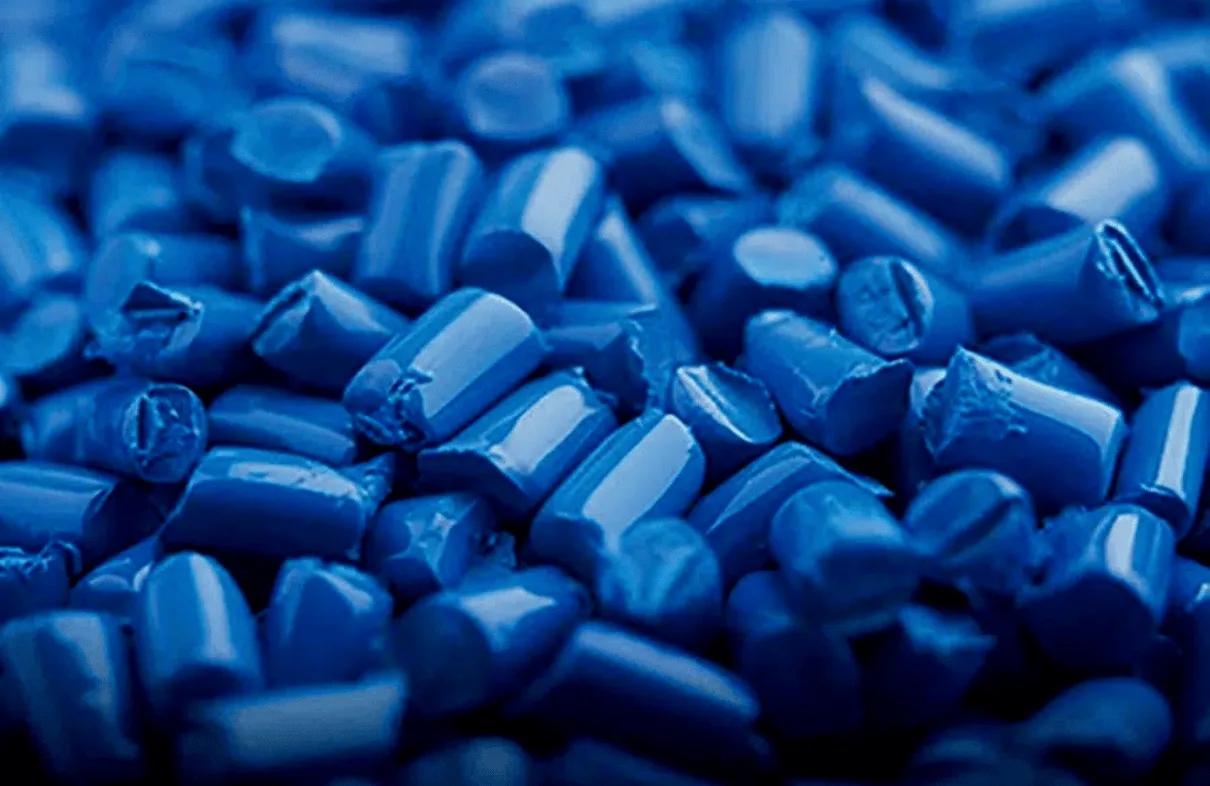
Resin (polymer) additives are a group of materials that are used as a binder to solidify resinous materials, which in raw form have the consistency of pitch or tar.

Climate Commodities and Heartland Partner To Develop New Asset Class
Detroit, Michigan – Climate Commodities and Heartland Industries have created a partnership to commoditize industrial hemp.

Complete Guide to Supply Chains of the Future - Local vs. Global
Two Southern California ports account for nearly 40% of all goods entering the United States and as of the writing of this article, there are serious delays in and out of both (Los Angeles and Long Beach). NY/Newark, Savanna, Seattle,

How the Conflict in Ukraine and Russia Impacts the Plastic Industry
Disclaimer: We stand with the people of Ukraine and hope that this conflict can be resolved peacefully.

Heartland and Ravago Agree to Develop Products Reducing Carbon Footprint
Heartland and Ravago Americas have executed a joint development agreement to create the next generation of plastic resins.
Heartland Awarded $360,000 USDA Grant to Study Industrial Hemp
Heartland won a $360,000 USDA grant to study hemp in rotation, soil health, and carbon sequestration — the Hemp4Soil research program.

Heartland Solves Traveling Salesman Problem For Agriculture
Detroit, Michigan – Heartland has revolutionized plot mapping technology to drive efficiency for farming operations across the world. This technology will reduce the time, money, energy, and carbon footprint required to plant, harvest,
How (or Why) Your Brand Equity is Tied to Your Sustainability Initiatives
A company derives its brand equity from the court of public opinion and sustainability matters. Collectively, investors, customers, employees, industries, and communities decide what something is worth.
Hemp Additives Create A Blue Ocean in the Plastic Supply Chain
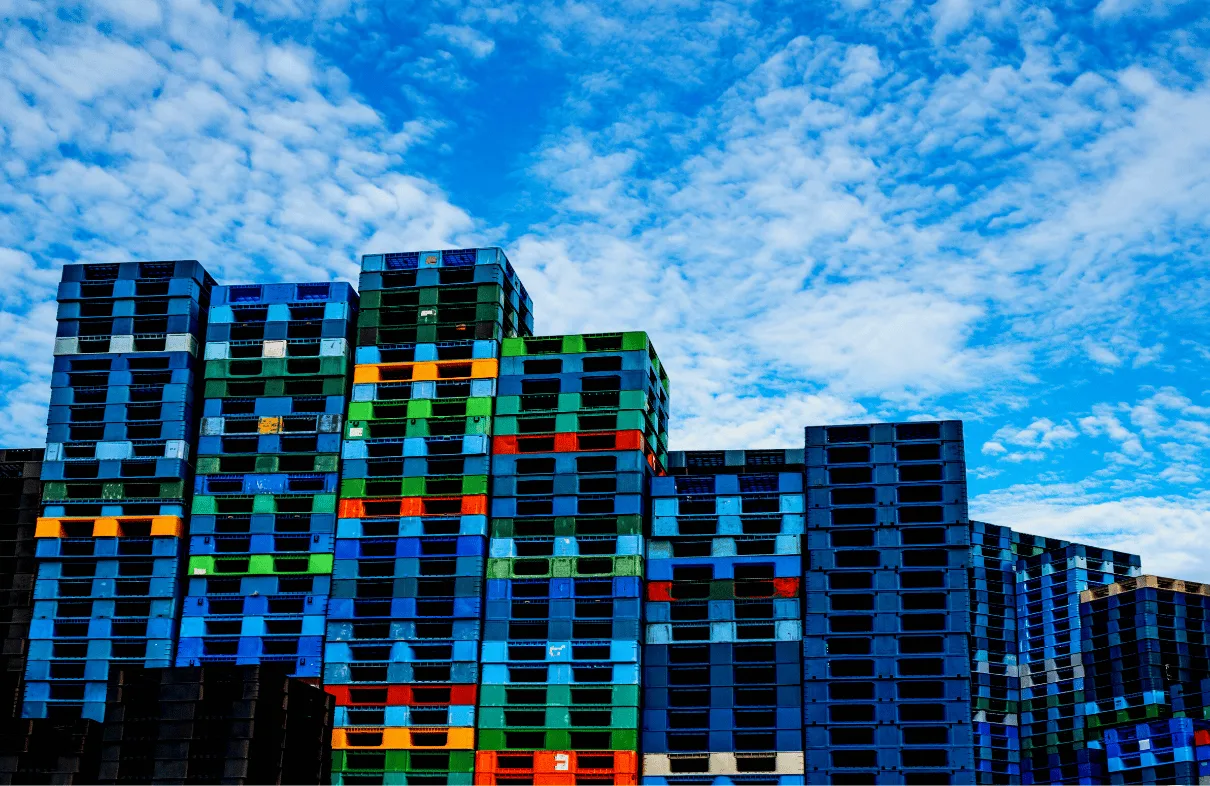
Industry-wide, people are starting to see successful applications for hemp-filled plastics. What was once revolutionary (any natural fiber-filled resin) is now starting to become normalized in manufacturing R&D labs.

IH Partners With Heartland To Develop America’s Hemp Supply Chain
The 2018 Farm Bill legalized the growing, processing, and distribution of industrial hemp across the United States.
Is The World Entering A Recycled Plastic Shortage? If So, Why?
Over the last decade, the push for people and companies to become more sustainable has been at the forefront of the conversation.
KDM and the Minority Business (MBDA) Partner with Heartland
KDM and the MBDA partner with Heartland to open industrial hemp opportunities for underserved American manufacturers and farmers.

Map-Collective and Heartland Partner to Create Opportunities for Farmers
The 2018 Farm Bill legalized the growing, processing, and distribution of industrial hemp across the United States.
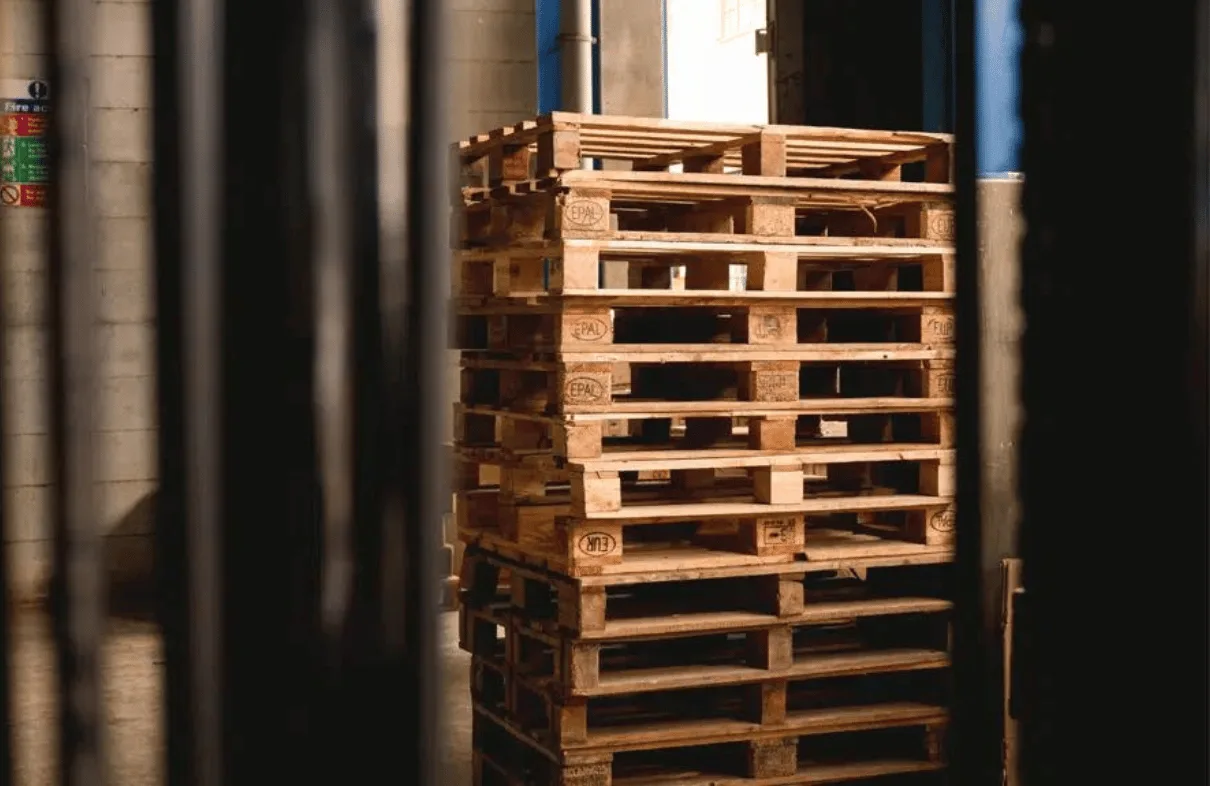
Sustainable Plastics for Industrial Packaging: Crates & Pallets
Industrial packaging — crates and pallets — is the entry point for sustainable plastics. How Imperium cuts cost and carbon in HDPE/PP.
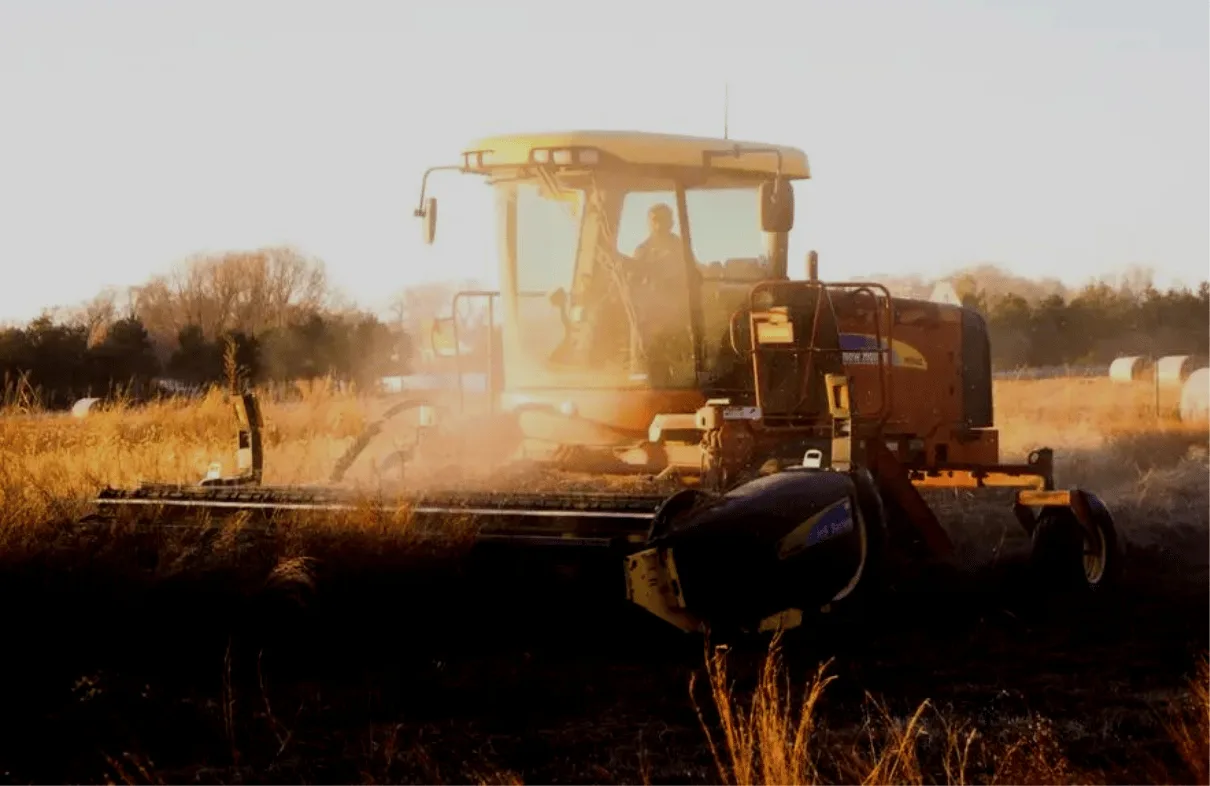
Minority-Owned Farms in America - Moving our Economy Forward
As we researched this article, we came upon some shocking and depressing numbers. In 1920, farms owned by blacks numbered just under 1 million, 925,710 to be exact.
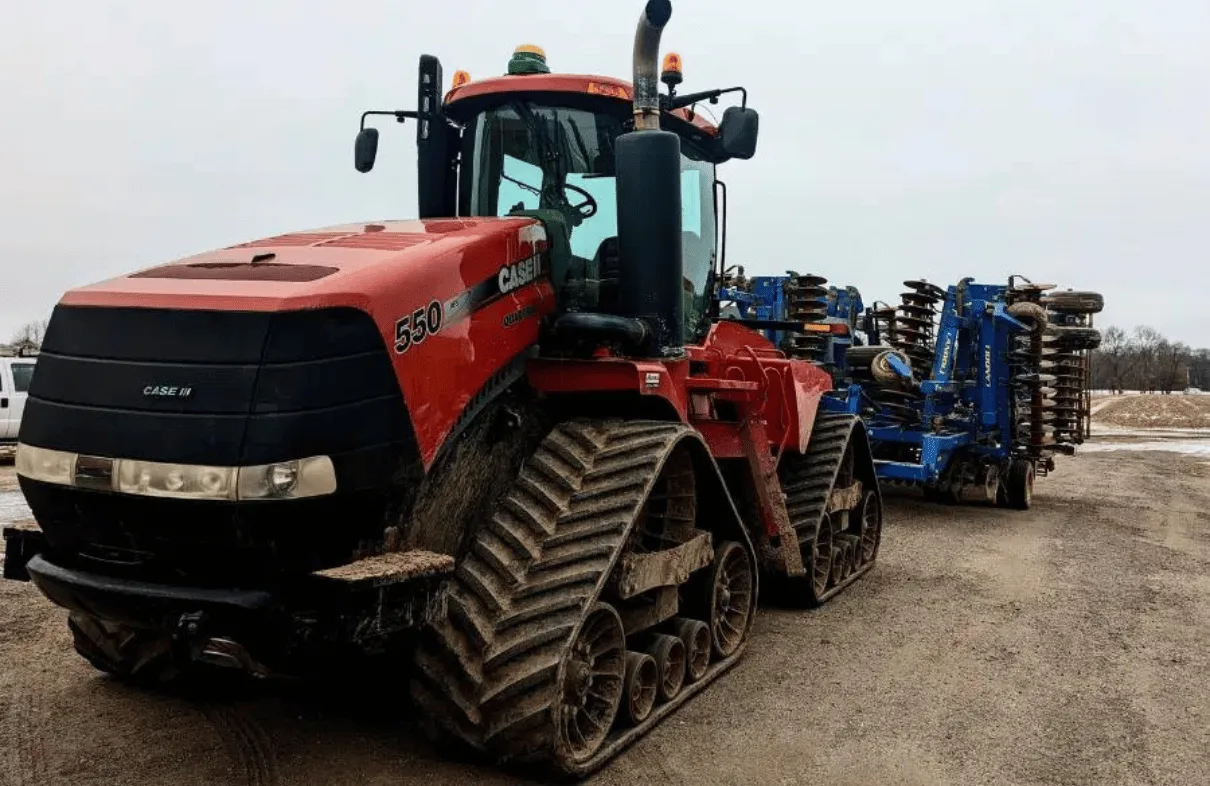
Regenerative Agriculture: Soil Health, Carbon, and Why Hemp Belongs in Rotation
Regenerative agriculture rebuilds soil instead of mining it. This guide covers soil health, carbon, and how industrial hemp fits American crop rotations.
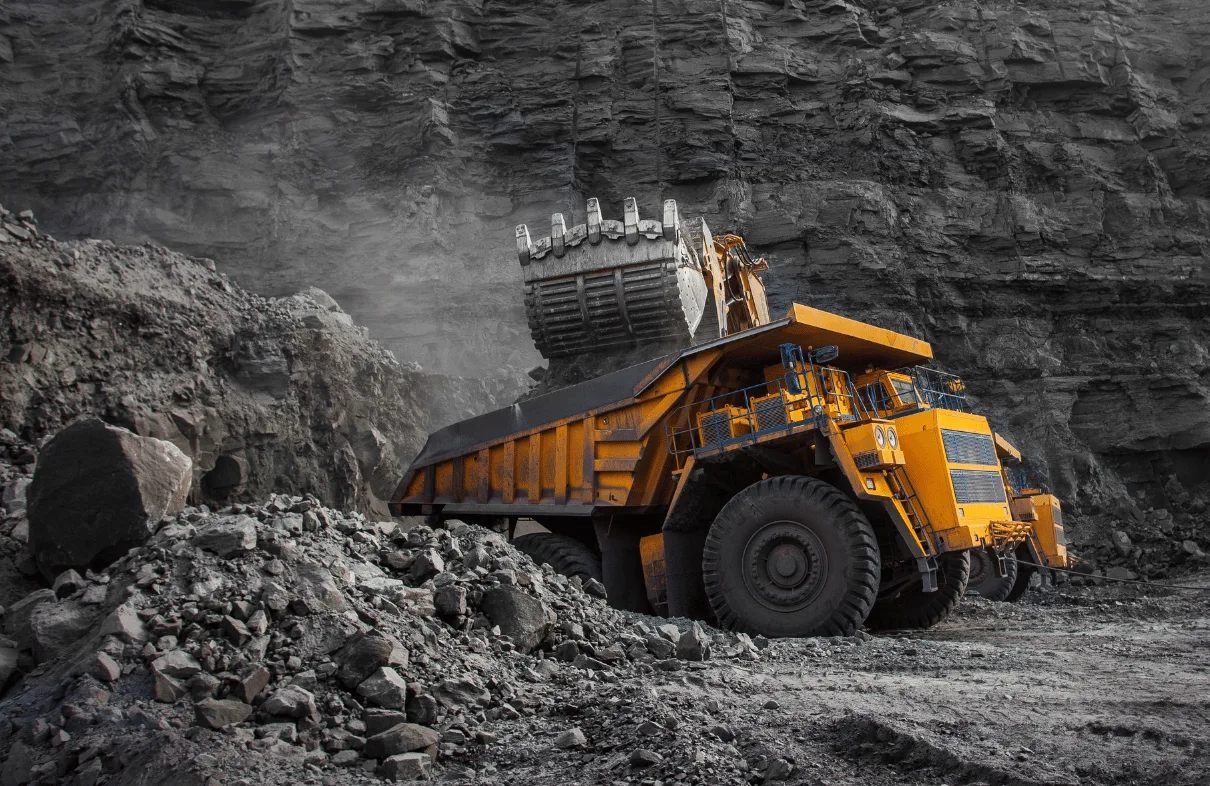
3 Reasons Talc Fillers Will Go Extinct Over The Next Decade
The movement against toxic materials has been gaining momentum over the past few years. The problem is, that companies are stuck using the same raw materials that they’ve been using for decades.

Bio-Based Materials Stretch The Inventory of The Plastics Supply Chain
The plastics supply chain is in the middle of a massive, global change. When raw material costs increase, the people who typically feel it are the consumers.
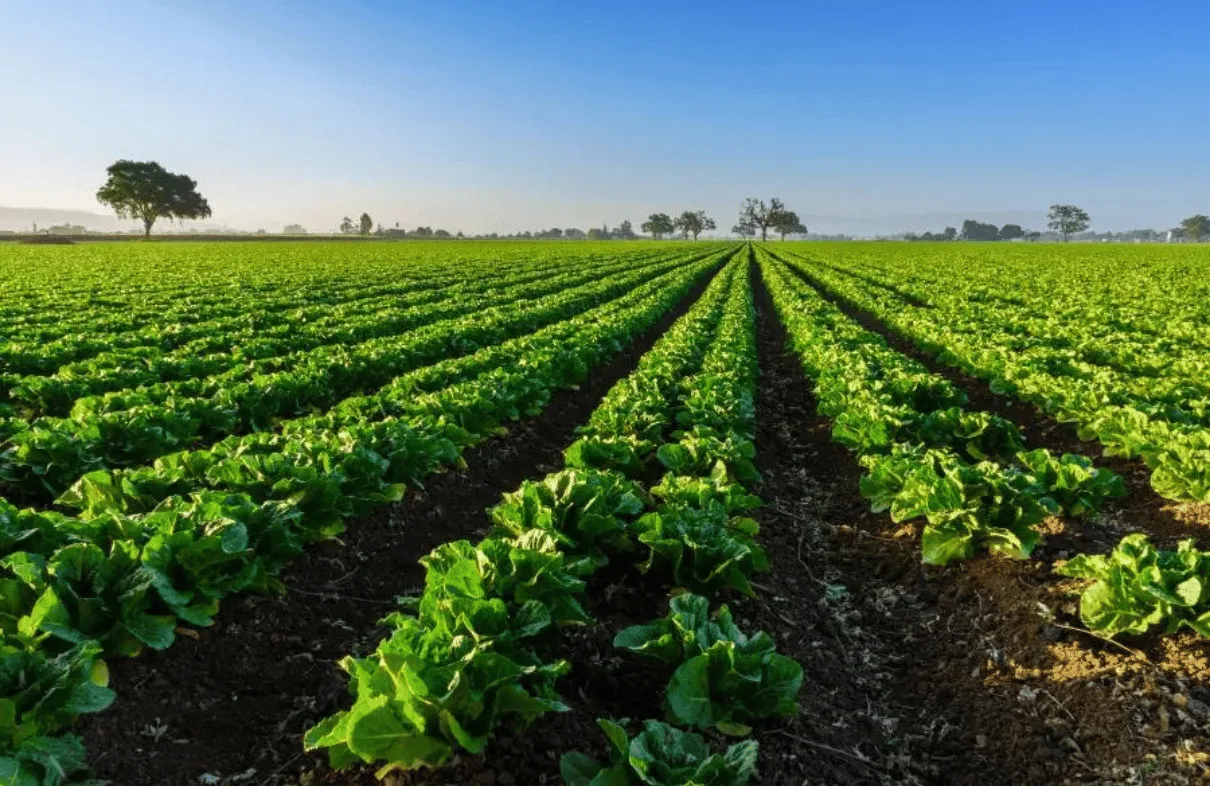
Bio Continuity - The Secret to Reliable Bio-Based Supply Chains
Raw material supply chains provide the foundation to the manufacturing industry. These are the solids and liquids that are used to make all the products you see around you.
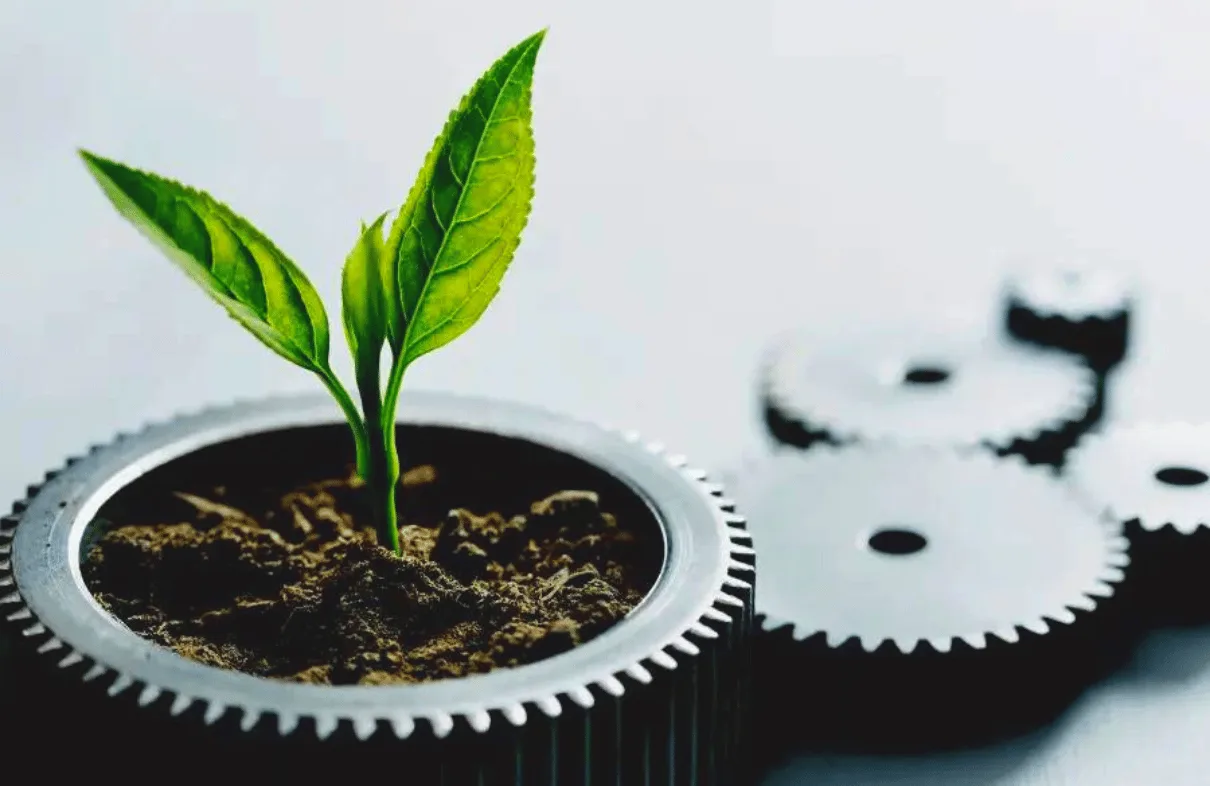
Carbon Credits for the Global Industrial Hemp Value Chain
Carbon Credits are gaining interest in the industrial hemp marketplace, but not without significant confusion. It’s time to set the record straight.
Heartland Collects Data to Standardize Industrial Hemp Crop
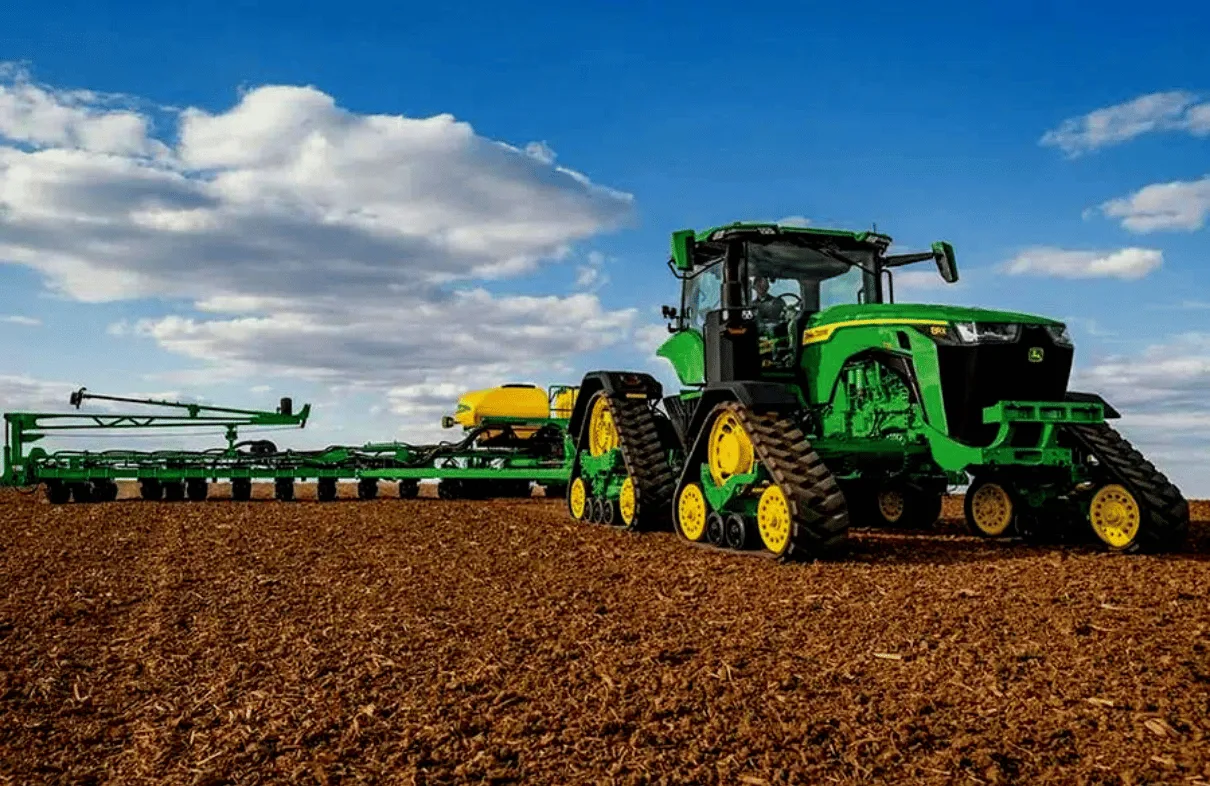
Over the past few years, farmers have been excited about the opportunity to grow industrial hemp. But, among the many roadblocks that have prevented the mass adoption of industrial hemp, insurance & lending are at the top of the list.

Corn, Wheat, and Soy Farmers Add Industrial Hemp into Their Rotations
The crops that big agriculture has relied on for generations are inviting a new opportunity to the table: industrial hemp.
Carbon-Negative Materials: A Solution for Large Manufacturers
The top leaders in manufacturing all rely on the same raw materials. Most of the supply chains that provide these raw materials have been established for decades.
Farmers Face The Next Housing Crisis As Demand Shifts From Ethanol
Corn is the most common crop grown by American farmers. In 2019, America grew 91,700,000 acres of corn.
Heartland Receives Financing From Leading Michigan Bank
Throughout the last 6 months, the Heartland team has made huge leaps forward as we establish our industrial hemp supply chain.
Heartland Wins Continental’s Material Innovation Challenge
Heartland Industries has won the innovation challenge for sustainable material solutions in manufacturing.
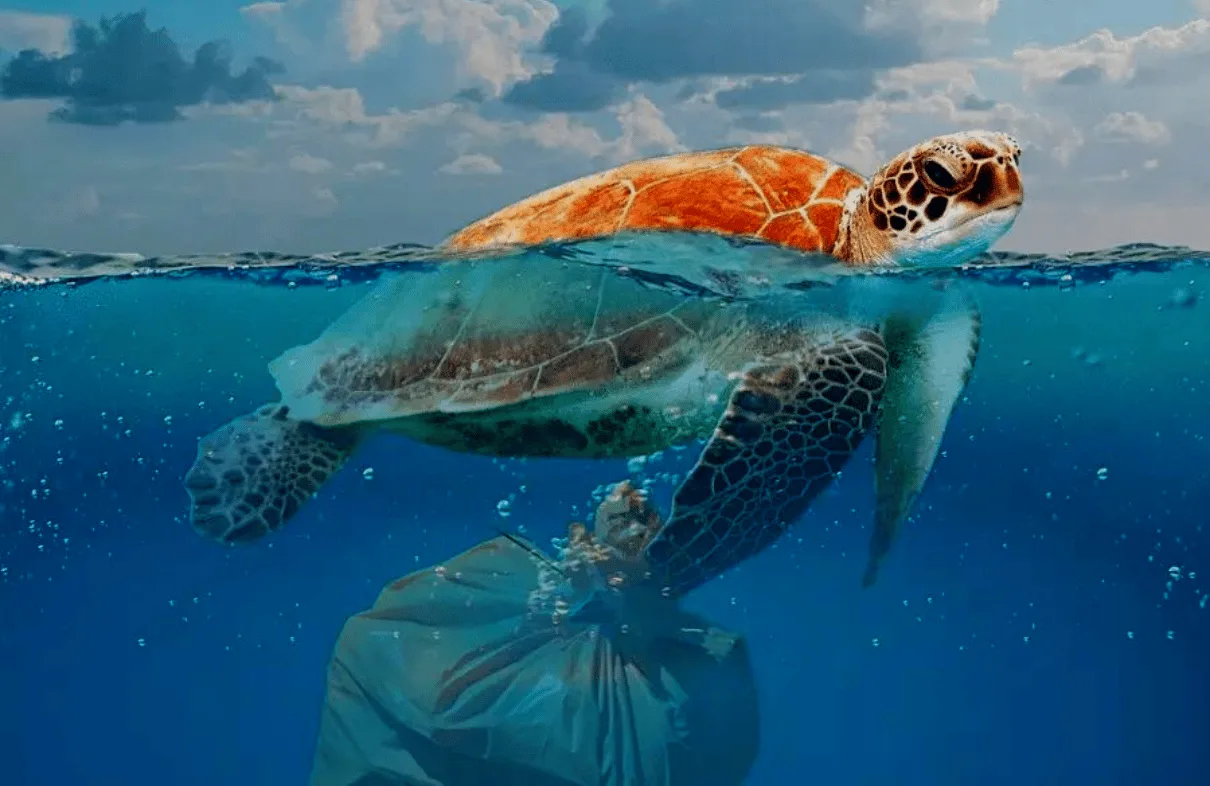
Hemp Amplifies The Output of Plastic Recycling Supply Chains
The recycling industry is currently booming. As the cost of virgin plastic shoots through the roof, the demand and price for recycled plastics are trending in the same direction.
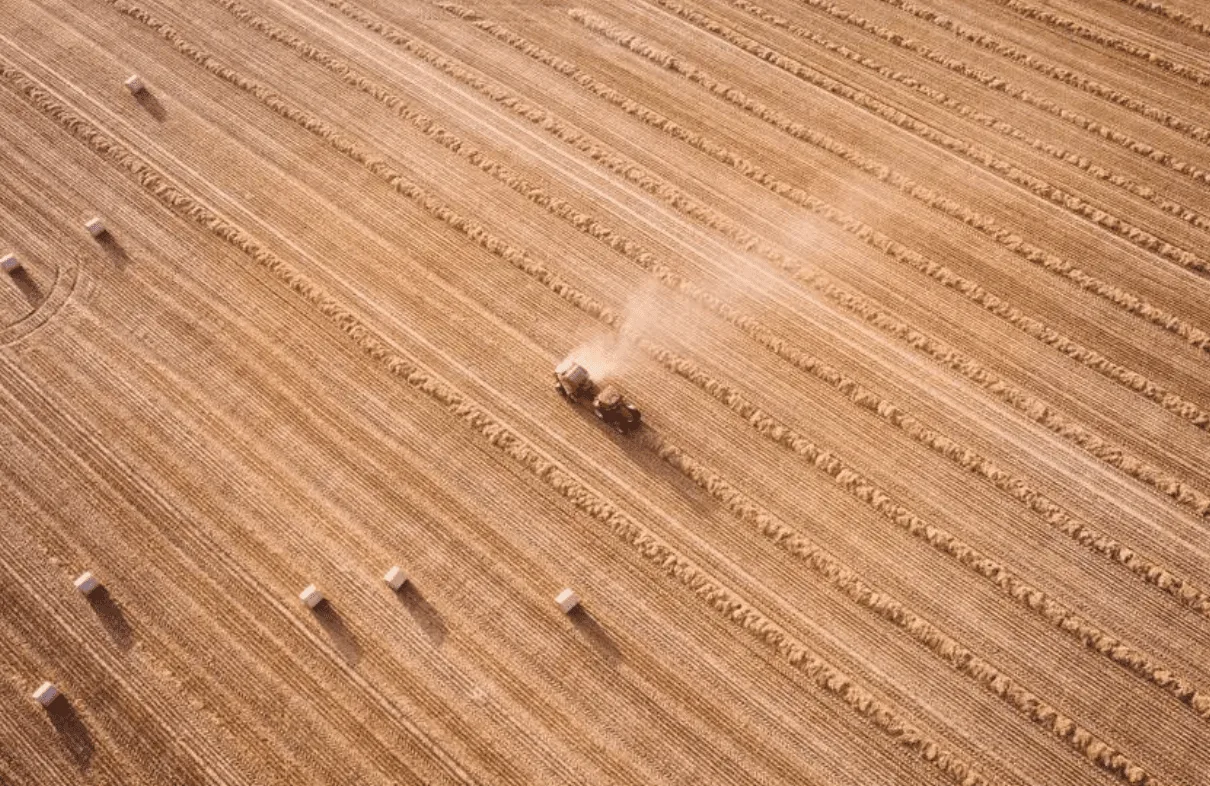
Hemp Based Materials Engineered As Additives For Polymers
The performance characteristics of hemp materials have been known for generations.

Hemp Reinforced Polypropylene Composites For Automotive
Heartland Industries produces carbon negative plastic additives to help companies reduce their carbon footprint..

Industrial Hemp Creates A Circular Economy For Local Manufacturers
The global economy is made up of thousands of little micro-economies across the world. These micro-economies exist in towns and cities that are right down the street from you.
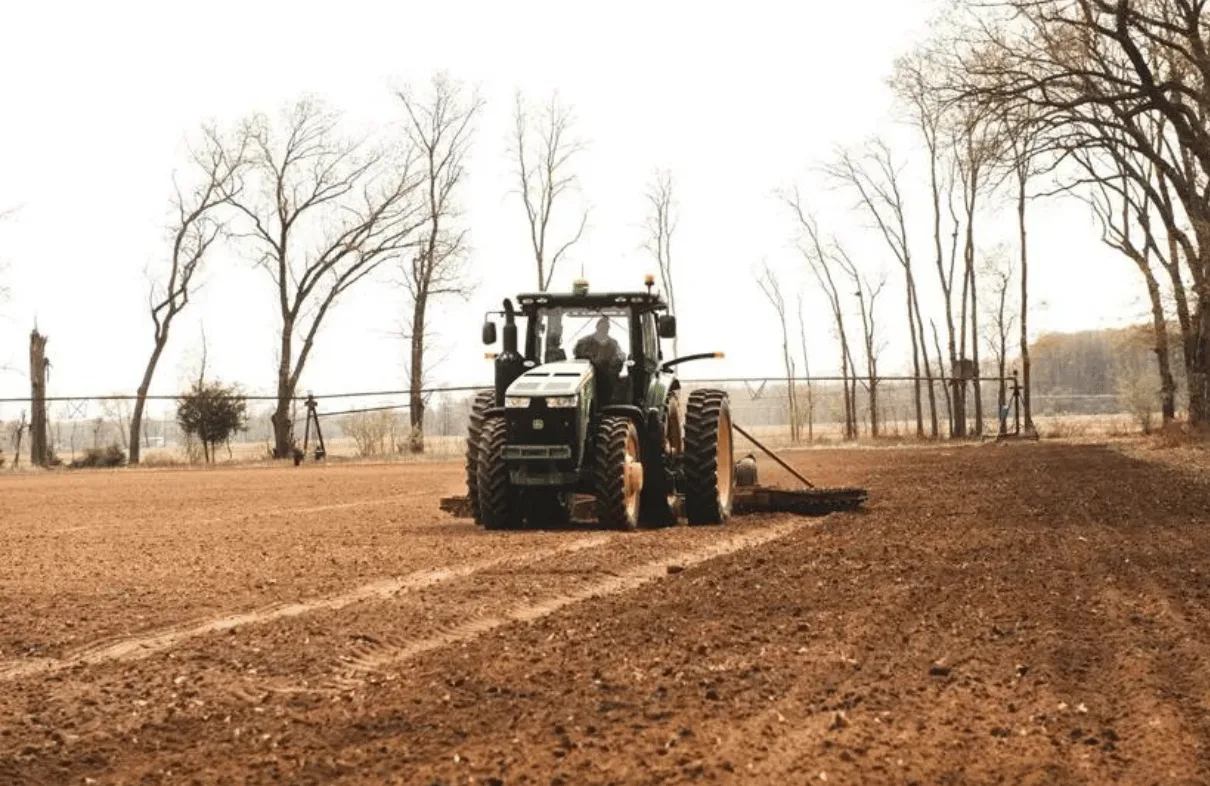
It is Industrial Hemp Planting Season for the Heartland Team
Heartland's Michigan hemp farm season: contracted acres, fiber harvest, and the agronomy behind a reliable US textile and filler supply.
Heartland Industries Leads Industrial Hemp Supply Chain Data Collection
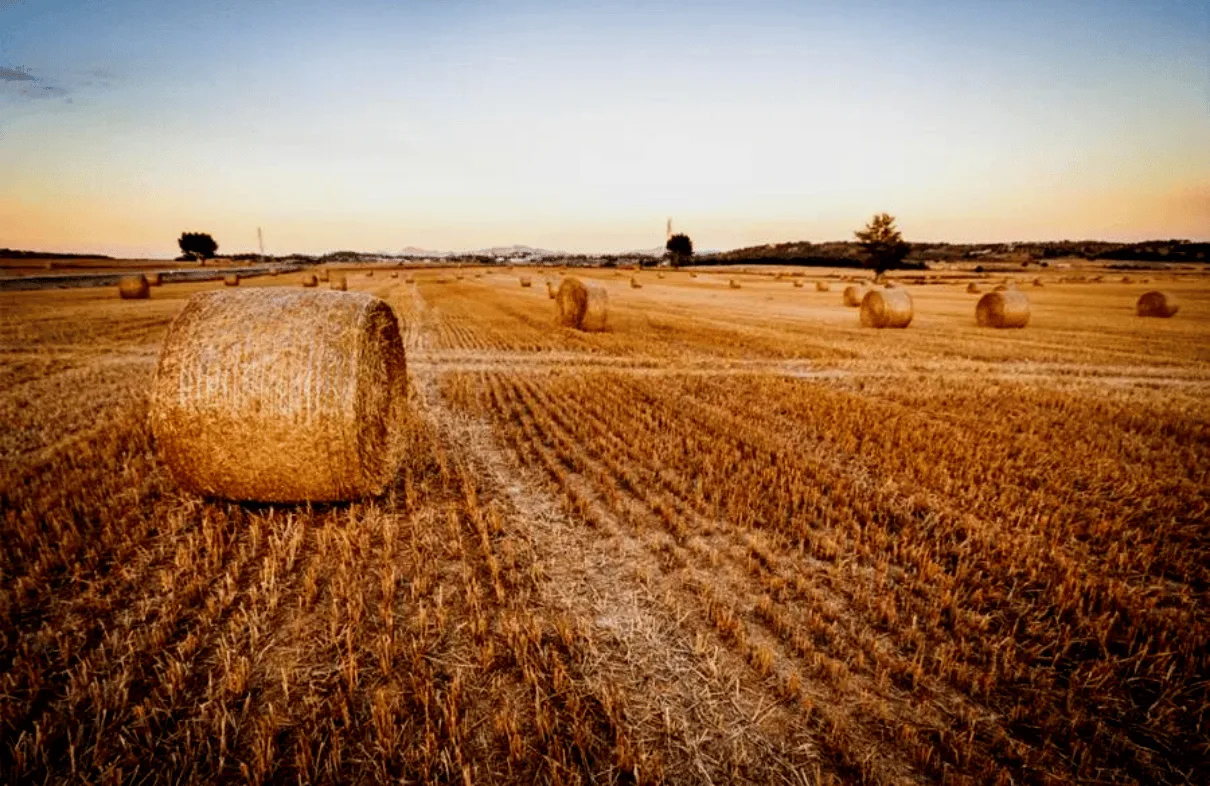
Building an agricultural supply chain is one of the biggest undertakings that any team or leader can take on. The success in establishing an industrial hemp supply chain will set a brand apart from everyone else in the industry.

Industry 5.0: The Bridge Between Capitalism And Sustainability
Business leaders are always trying to predict the innovations that will put them on the bleeding edge of their industries. But, now that Industry 4.0 has played out, people are asking themselves, what’s next?
The Foundational Investment Thesis of The Future is Sustainability
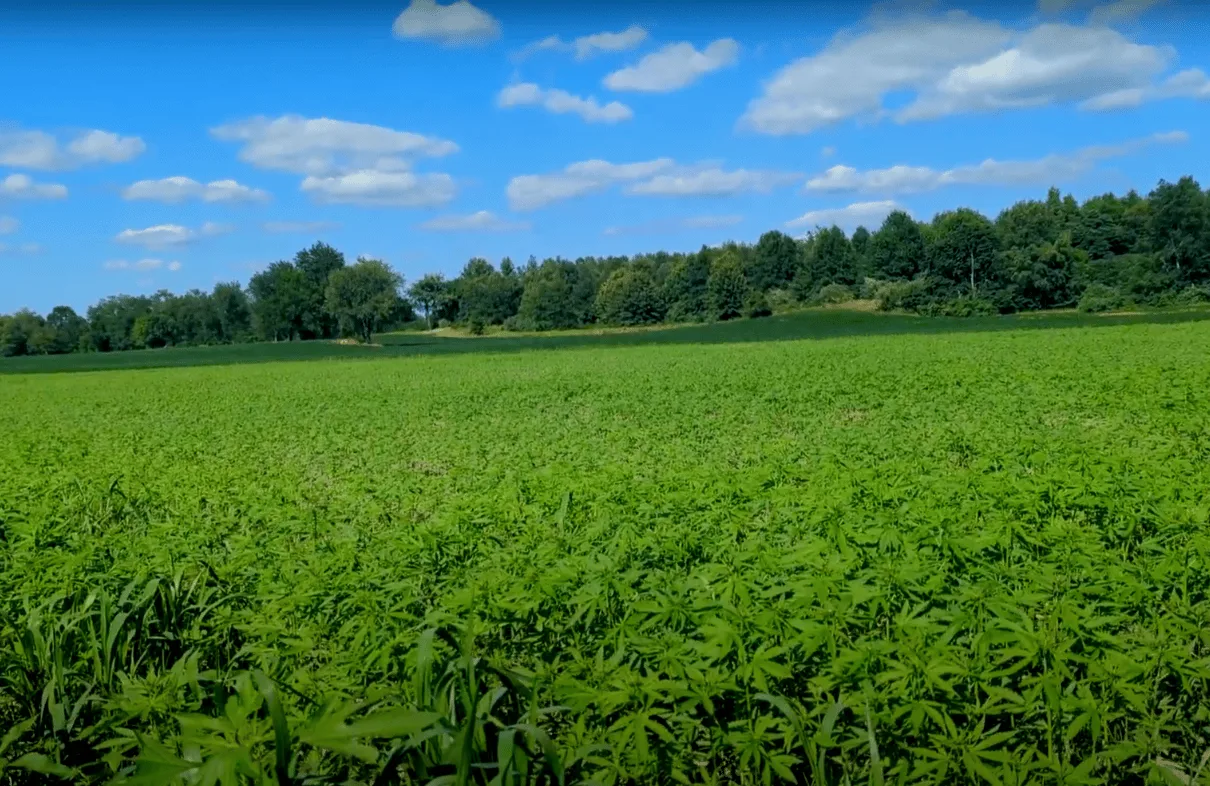
Companies and investors have a fiduciary responsibility to make good decisions that benefit their organization in the long run about sustainability.

Bio-Based Graphene: Why Hemp Beats Mineral Graphite at Scale
Graphene patents stall on mineral graphite variance and cost. Hemp's continuous cell wall is the bio-based feedstock for scalable, composite-grade graphene.

How The Green Economy Will Prosper Through America's Farming Engine
The agriculture industry can create more economic opportunities than any other sector because of sustainability mandates.

The Manufacturers Guide To Sustainable Materials To Reduce Carbon Footprint
Sustainable materials — we hear this term nearly every day. Manufacturers worldwide face increased pressure from investors, customers, and stakeholders to go green. This guide is for them.

The Strengths And Weaknesses of Industrial Hemp’s Weight
As our team has sent out sample materials to manufacturers across automotive, plastics, and other downstream markets, we have gotten some amazing feedback.
The Time For New Sustainable Materials in Manufacturing is Now
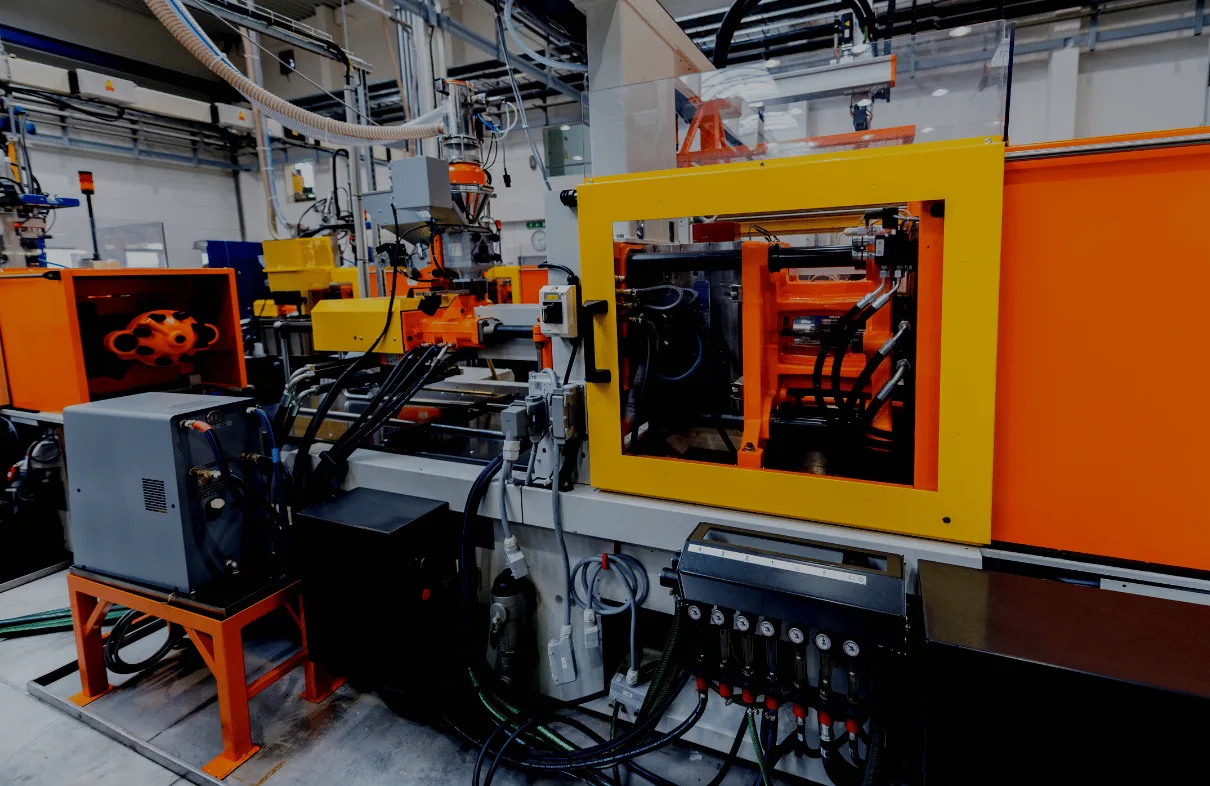
The price of raw materials across the world is shooting up every week. Wood, metal, and plastic prices have all more than doubled over the last 12 months.
What is the Difference Between Bioplastics and Bio-Based Additives?
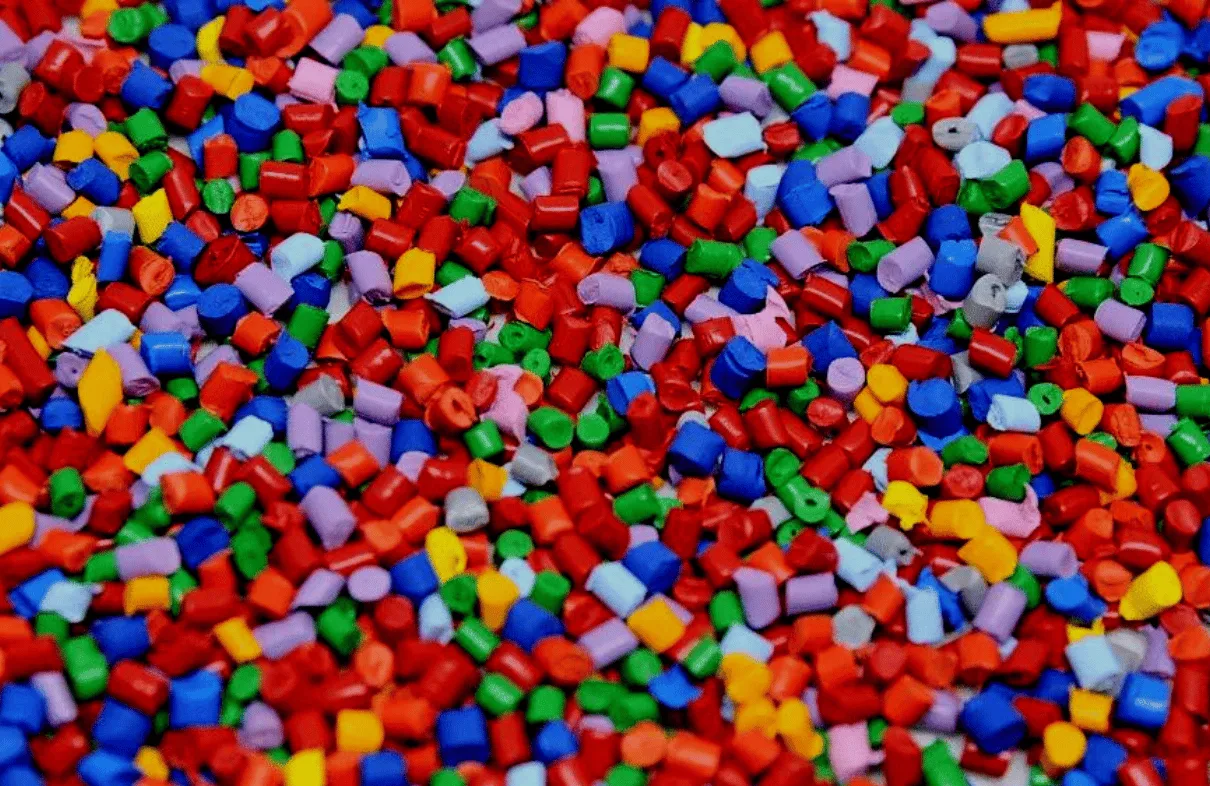
The story starts with petroleum and the number of markets that rely on it. Today, this is creating a bottleneck in American manufacturing.
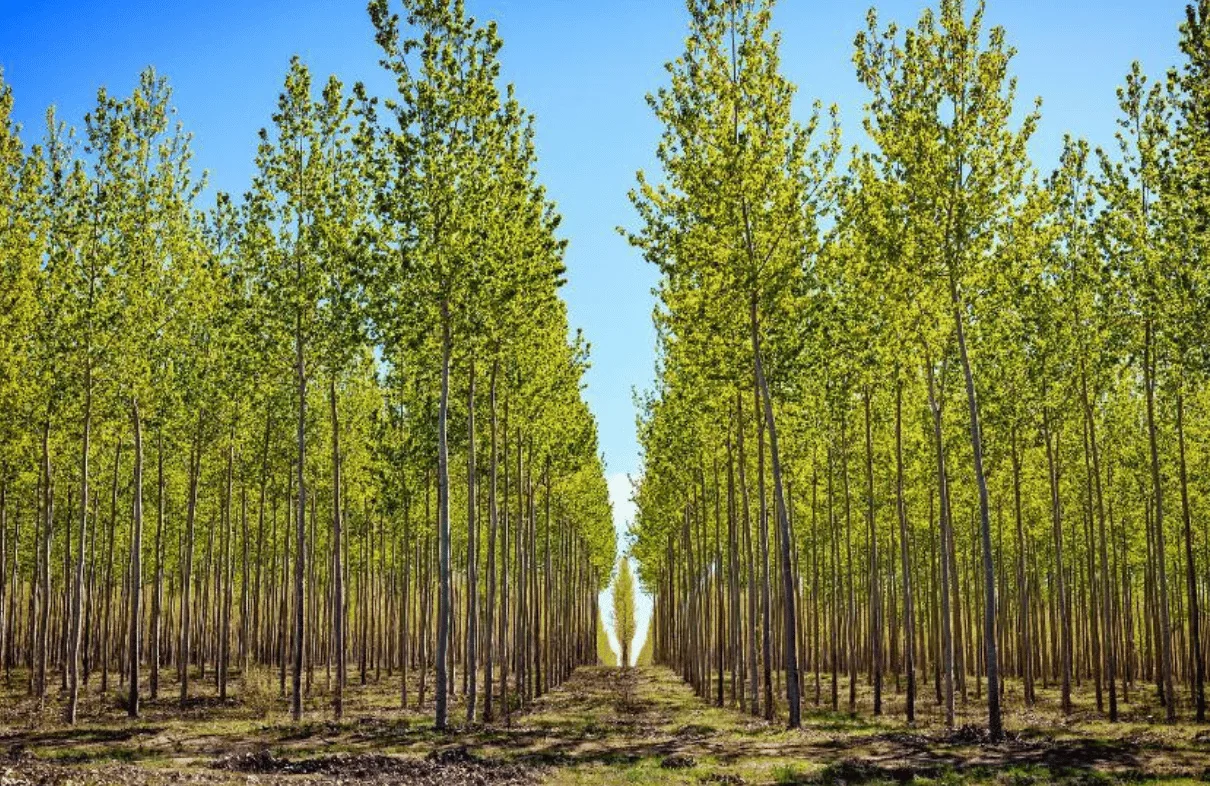
Wood Flour Alternatives - Why Cutting Down Trees Is Not Sustainable
Business leaders have been trying to figure out how to make plastics more sustainable for generations. Unfortunately, with regards to the materials we use on a daily basis this has driven us further away from the sustainable future we’

2022: The Year of Sustainability and ESG Mandates
The effects of 2020 are unquantifiable today. The implications on our health physically, mentally, emotionally, financially, and socially will unfold over the coming years.

Heartland Creates New Opportunity for American Manufacturers
For the longest time, American manufacturers had a simple and straightforward positioning statement.
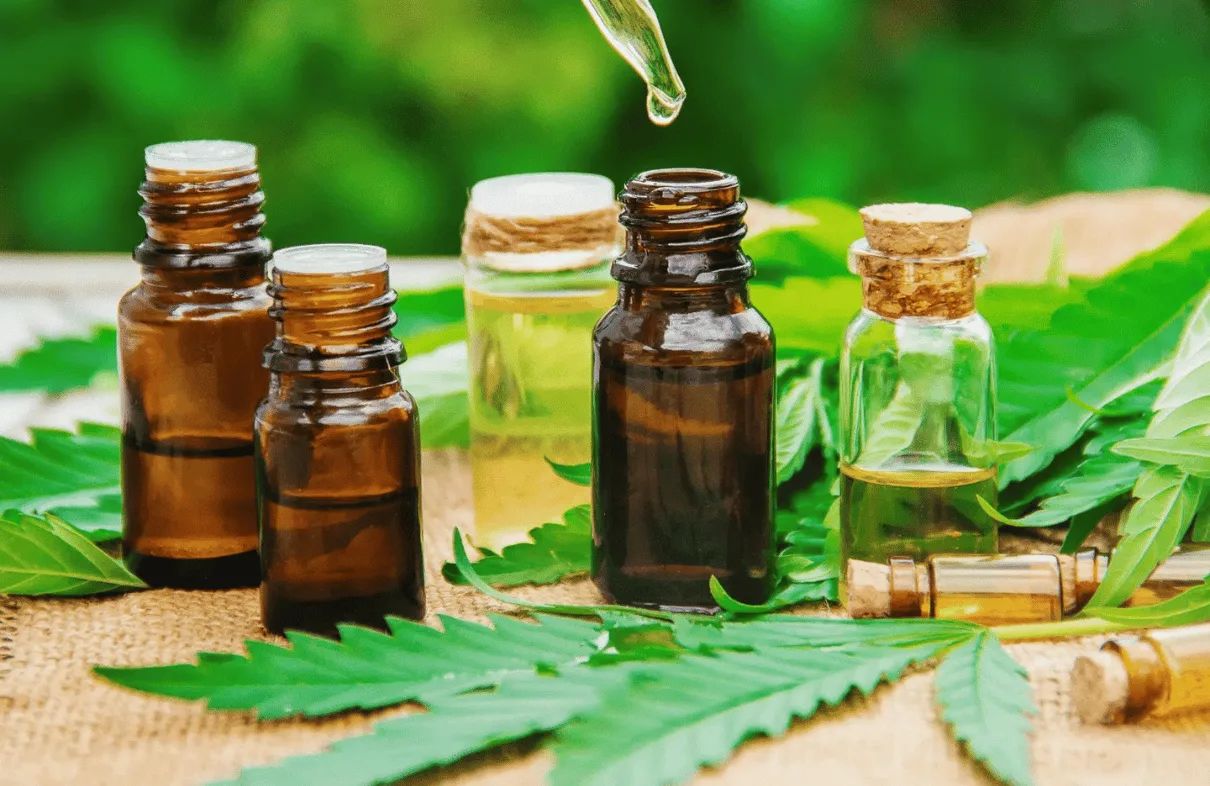
Heartland Unmasks The CBD Catastrophe That’s Put Many Out of Business
The Heartland Industries team has spent months focusing on the supply chain bottlenecks in the hemp industry.

Cellulose Fiber: The Organic Polymer Shaping Our Planet and Future
Every plastic and resin on the planet is a polymer. Quite simply, a polymer is just a series of repeating subunits (monomers).

European Automotive Companies Use Hemp. Why Doesn't America?
Although hemp has been around for over 10,000 years, Americans make it out to be a new, novel, and revolutionary material.
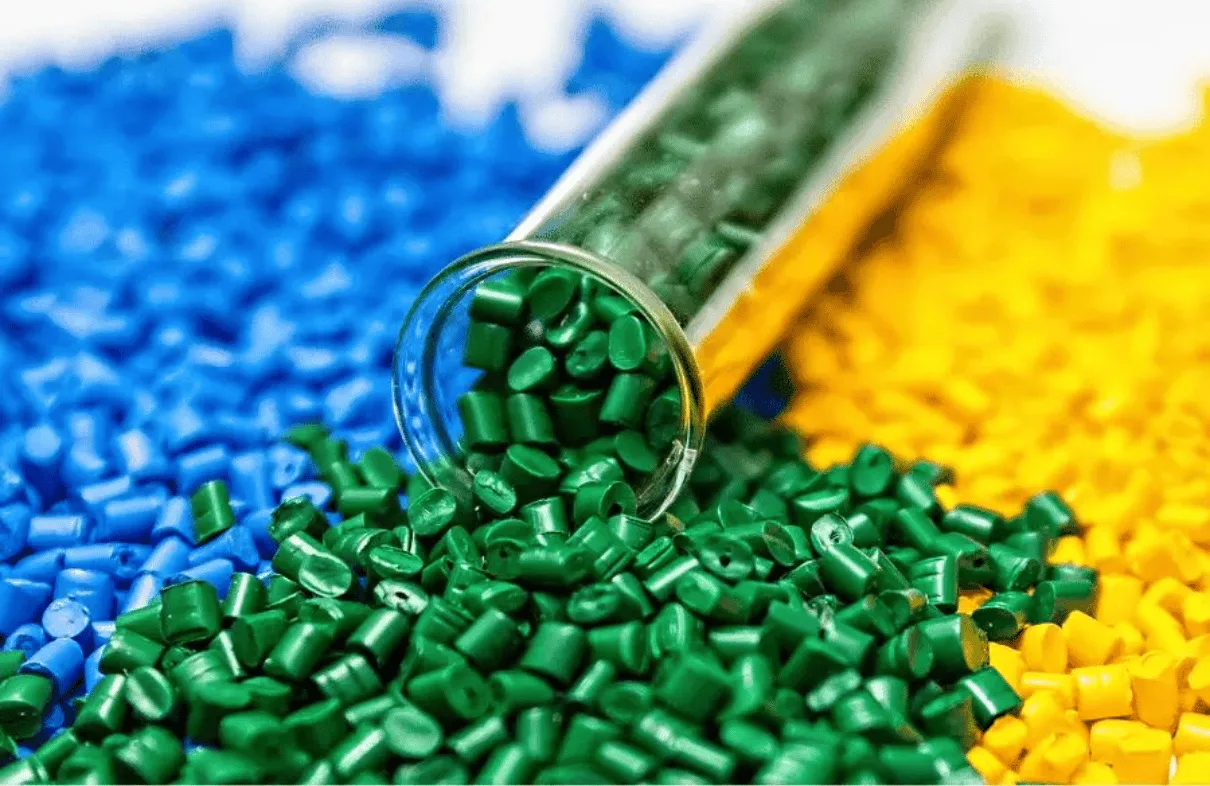
Heartland Hemp Additives Transform Plastic While Reducing Cost
The plastic market is a $568B annual revenue industry that has sprouted from nothing over the last four decades.
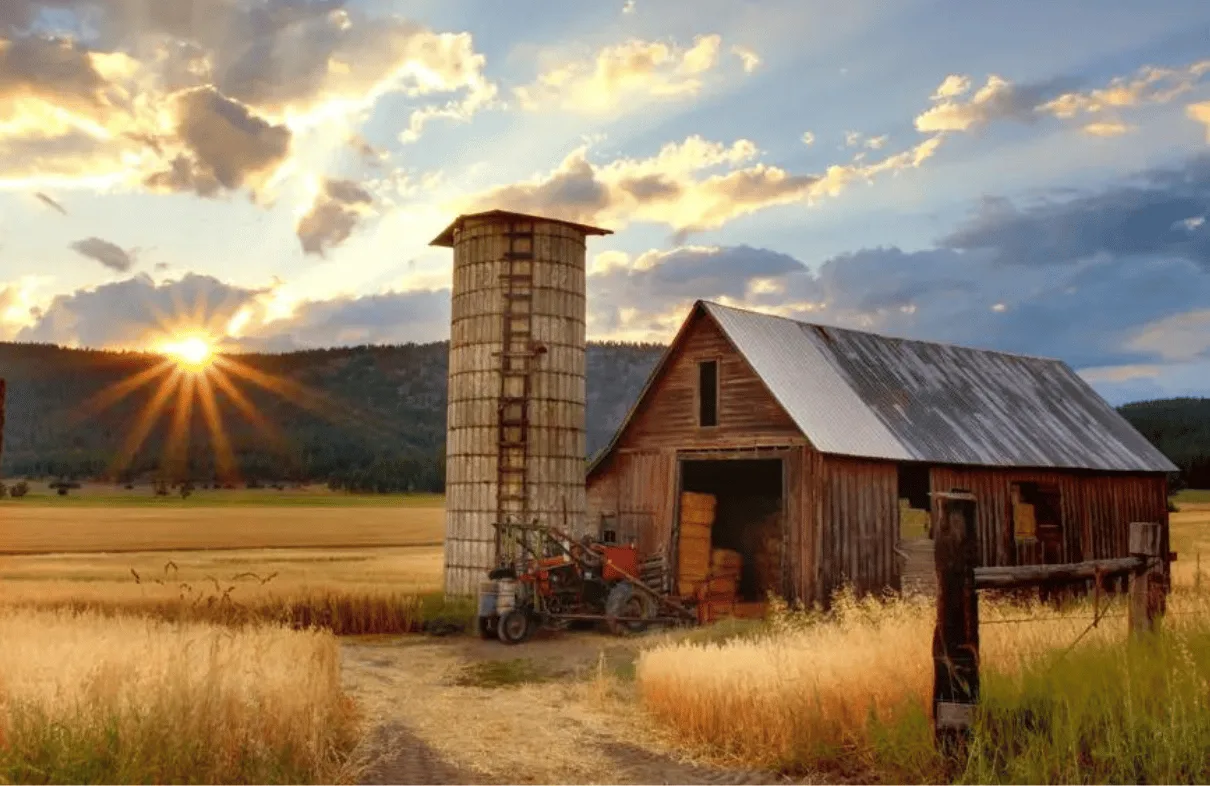
Heartland Cracks the Code to the Industrial Hemp Supply Chain
The 2018 Farm Bill opened the doors for hemp farming across the heartland of America.

Heartland Puts Industrial Hemp Headquarters in Detroit
Heartland plans to put its Industrial Hemp Headquarters in Detroit Originally, the Heartland team was focused on Kansas.

Heartland Raises Seed Capital For Detroit Facility For Processing
Heartland raised its first seed round from Detroit investors to scale an American industrial hemp supply chain for manufacturers.
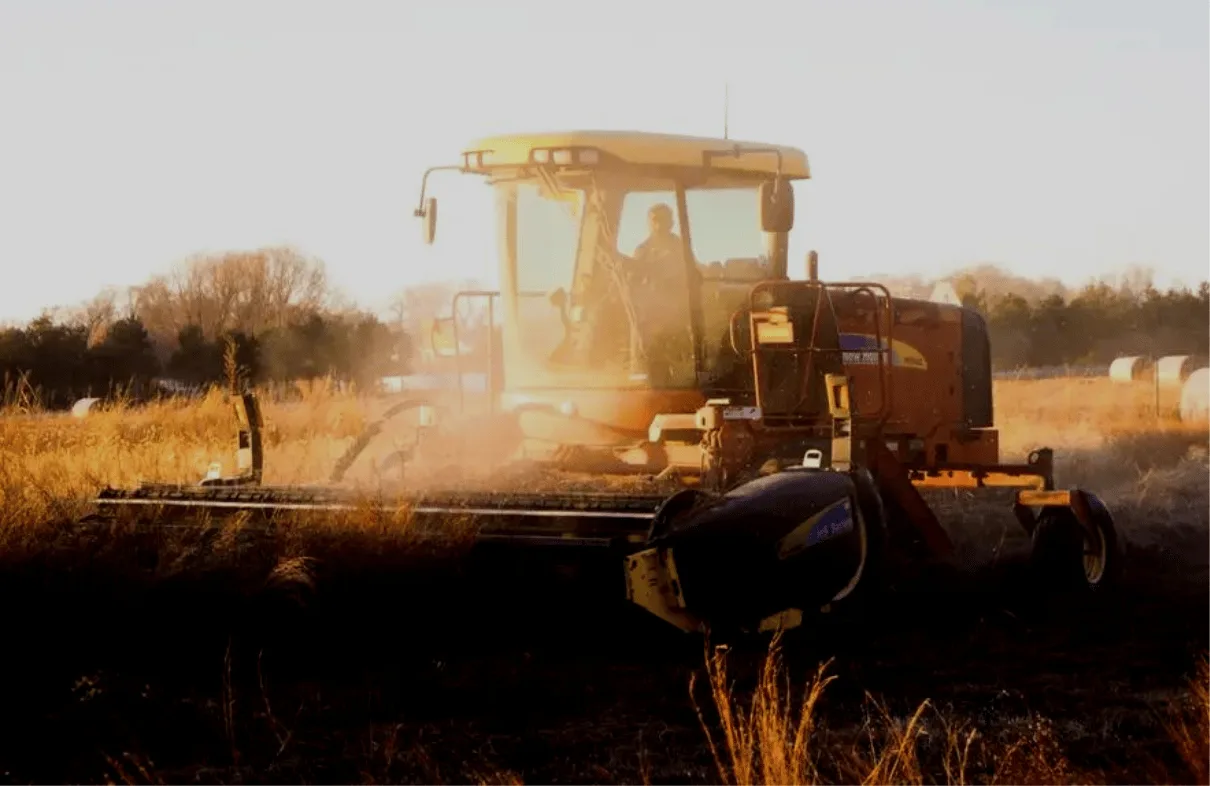
Heartland Unlocks Farming Infrastructure for Industrial Hemp
Most people around the world know that farmers have it rough. They put in the work across the agriculture industry to produce the goods that we consume every day.

Heartland Augments Glass Fiber in Plastics with Hemp to Reduce Cost & Weight
Glass is one of the most common additives for plastics because it increases strength, durability, and performance.
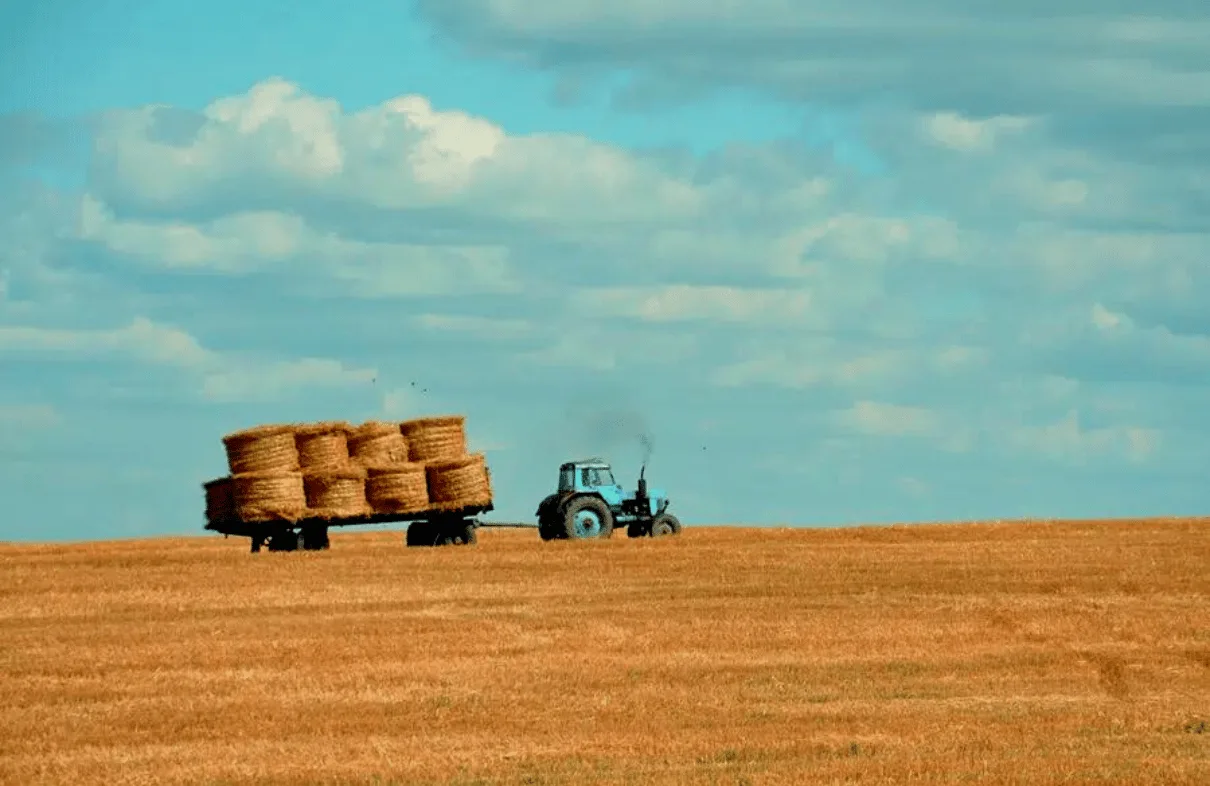
Heartland Industries Cracks The Code On Industrial Hemp Farming
American manufacturers have always known that hemp could help them build their products stronger, lighter, cheaper, and more sustainable.

Heartland Industries Sets Sights on Global Economic Shift
Heartland Industries is focused on sustainable and safe business practices to usher in the future of US manufacturing and materials.
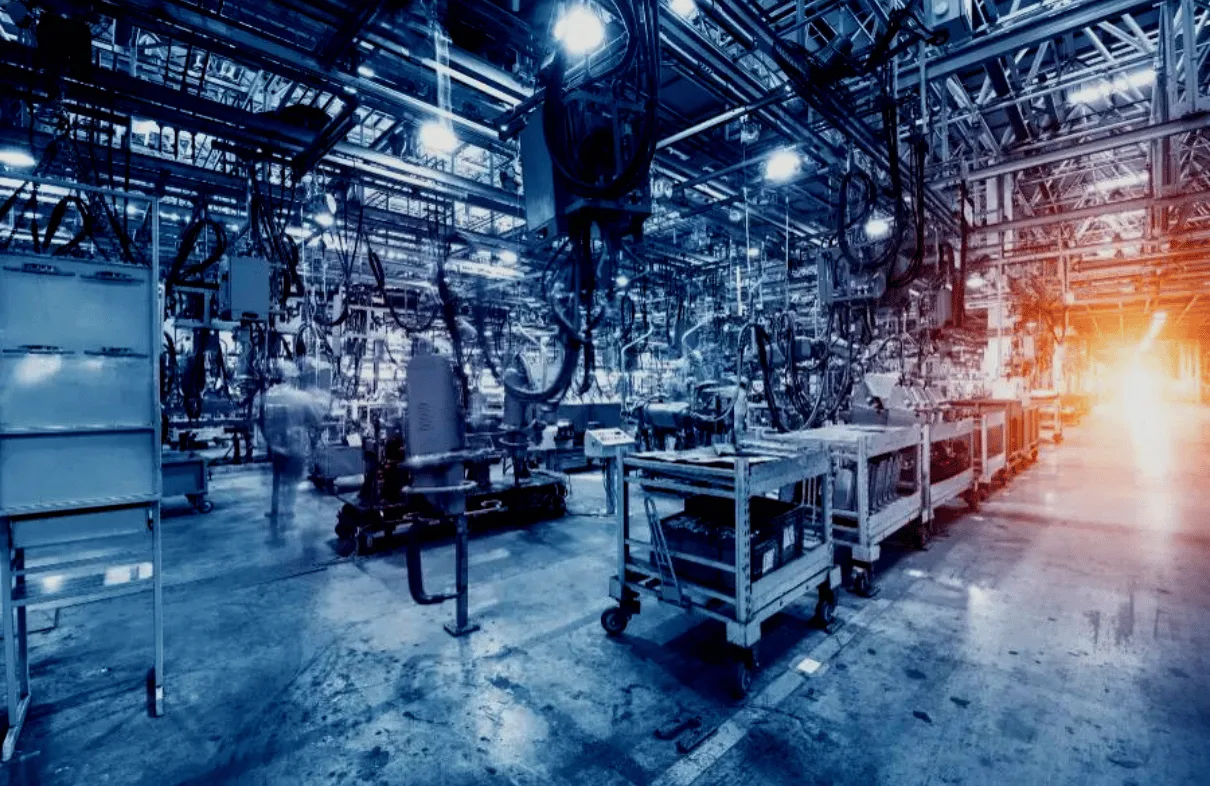
Heartland Designs State-of-the-Art Technology for Industrial Hemp Processing
How Heartland processes industrial hemp from stalk to fiber and hurd — the Midwest processing path that feeds textiles and compounding.

Industrial Hemp Supply Chain Unlocks The Future of Mobility
Transportation is foundational to the human experience. Humanity has evolved from carriages, buggies, and bicycles into dozens of different types of scalable motorized activities.
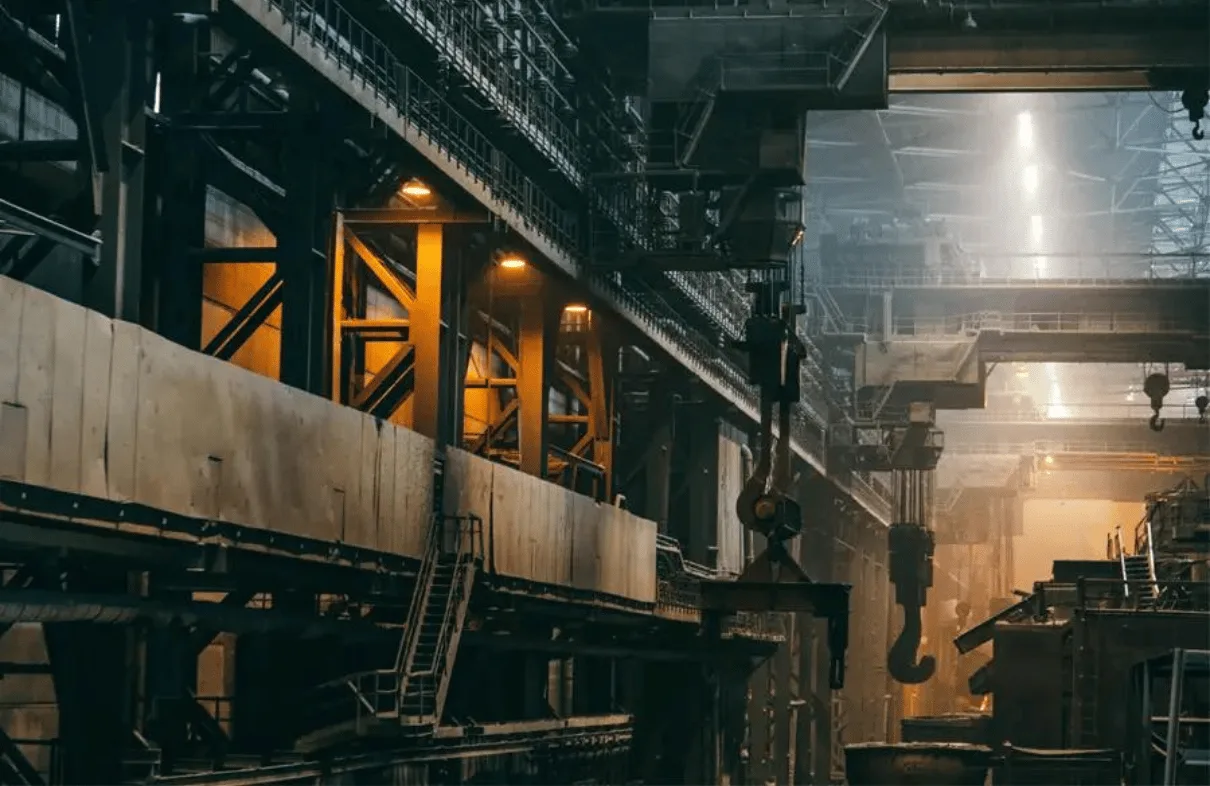
Manufacturing’s Missing Link: An Industrial Hemp Supply Chain
Every industry is rapidly changing in ways that no one could have predicted. COVID has created a clear separation between businesses that were stuck in their old ways, and ones that were eager to innovate.

The Future of Automotive is Reliable Supply Chains of Sustainable Materials
Steve Plumb with Auto Beat Online sat down with our CEO, Jesse Henry to discuss the future of plastics in automotive as the world transitions to a more sustainable future.
Contact
Get In Touch
Talk to our materials science team — replies within one business day.