Heartland Enters Hemp Textile Industry As US Exporter of Hemp Fiber
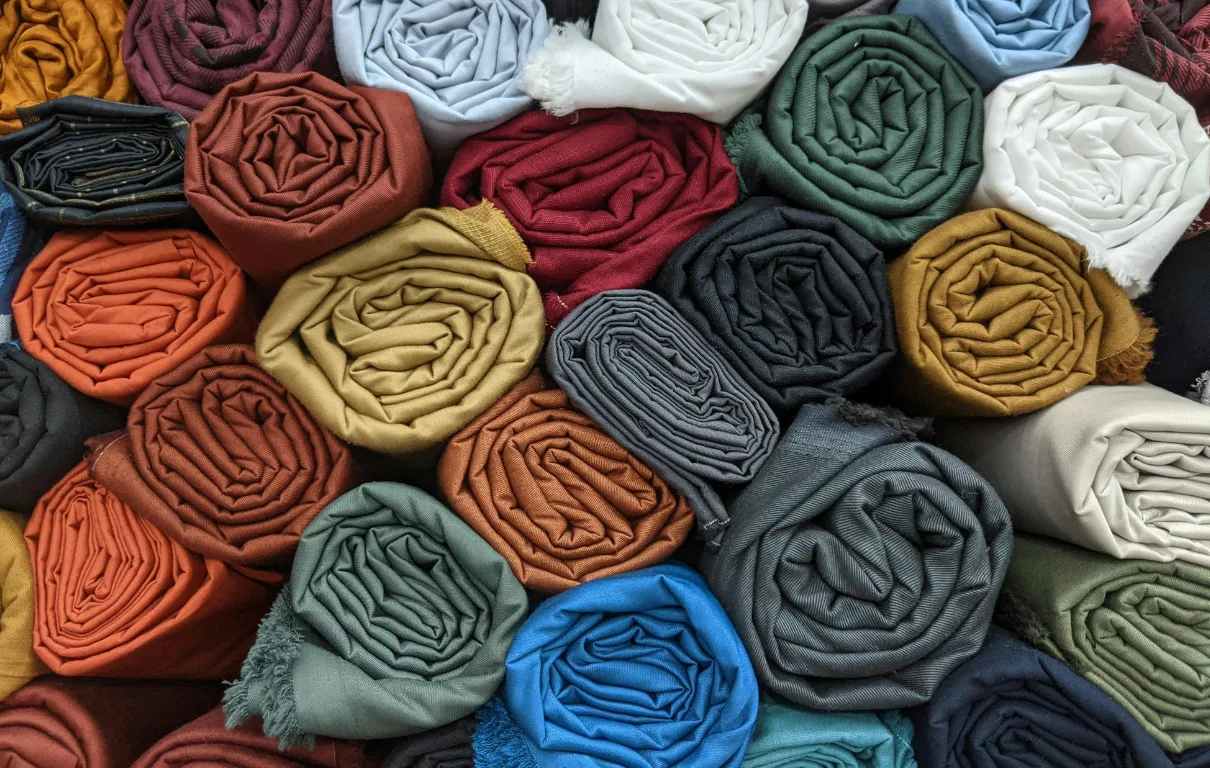
Heartland Industries is thrilled to announce the launch of our new line of premium hemp yarns and fabrics, specially engineered for knitwear, woven textiles, activewear, and high-performance functional fabrics.
Over the past 16 months, our team has meticulously built a robust, U.S.-based supply chain from domestic hemp cultivation to regional degumming. This effort positions Heartland as one of the first reliable U.S. exporters of low cost textile-grade hemp fiber, delivering pesticide-free, microplastic-free, regenerative materials to global markets.
State Of the Union For Global Hemp Textile
Historically, textile-grade hemp fiber has been almost exclusively sourced from China, with smaller contributions from Europe (France, Belgium, Poland). In many major textile-producing regions, regulatory restrictions on growing or importing hemp have limited its adoption, keeping the industry dependent on a narrow supply base.
Recent regulatory shifts worldwide are changing this landscape, increasing access to hemp fiber and creating opportunities for US suppliers to gain market share. As demand surges for eco-friendly alternatives to cotton and synthetics, U.S.-grown hemp offers cost stability, shorter supply chains, and superior sustainability credentials.
Hemp requires up to 95% less water than cotton, needs no pesticides, and enriches soil health through crop rotation, making it a regenerative powerhouse in an industry facing mounting pressure to reduce environmental impact.
How Much Does Hemp Fiber Yarn & Fabric Cost?
Hemp fiber prices vary globally due to tariffs, import duties, and supply constraints. Heartland has invested heavily in streamlining our supply chain to overcome these challenges, achieving some of the lowest known costs for high-quality hemp yarns in key manufacturing hubs like India.
We're navigating scaling production into Pakistan, Bangladesh, Turkey, and additional regions, ensuring consistent quality and competitive pricing. This positions our partners to access premium, pesticide-free hemp textiles without the premium price tag traditionally associated with the fiber.
What Is Hemp Fiber Best Suited To In Textiles?
While hemp fiber typically costs more than conventional cotton upfront, its superior performance characteristics justify the investment in premium applications:
Strength and Durability: Hemp is 4x stronger than cotton and approaches the tensile strength of nylon, making it ideal for long-lasting garments.
Breathability and Moisture Management: Highly absorbent yet quick-drying, hemp wicks moisture 40% faster than cotton, perfect for activewear.
Natural Antimicrobial Properties: Built-in resistance to bacteria, mold, salt water, and UV rays keeps fabrics fresher longer and reduces odors.
Eco-Friendly Edge: Biodegradable, low-impact cultivation helps brands reduce microplastic pollution from synthetics.
These attributes allow natural hemp fibers to enter markets once dominated by petroleum-based synthetics, delivering performance without environmental compromise.
Where Is Hemp Fiber Not Useful?
Hemp isn't designed to compete in ultra-low-cost, disposable fast fashion dominated by cheap cotton or polyester. There are limited business cases for hemp in products engineered for minimal use and quick disposal. Instead, hemp shines in durable, functional, and sustainable categories where longevity and performance matter.
How Can Brands & Customers Get These Natural Products?
Heartland produces the yarn and partners with the existing fabric marketplace to enable access to these materials for brands throughout the world. The full logistics brief — American fiber, Indian mills, US brand delivery — is US-grown hemp textile supply chain: USA → India → USA.
Please reach out via hello@heartland.io, on the website www.heartland.io, or directly on Linkedin to talk with the team.
Quick answers