Alfalfa to Hemp Farming in Arizona - ASU & Heartland Study Water Conservation
How Has Alfalfa Farming Impacted Arizona?
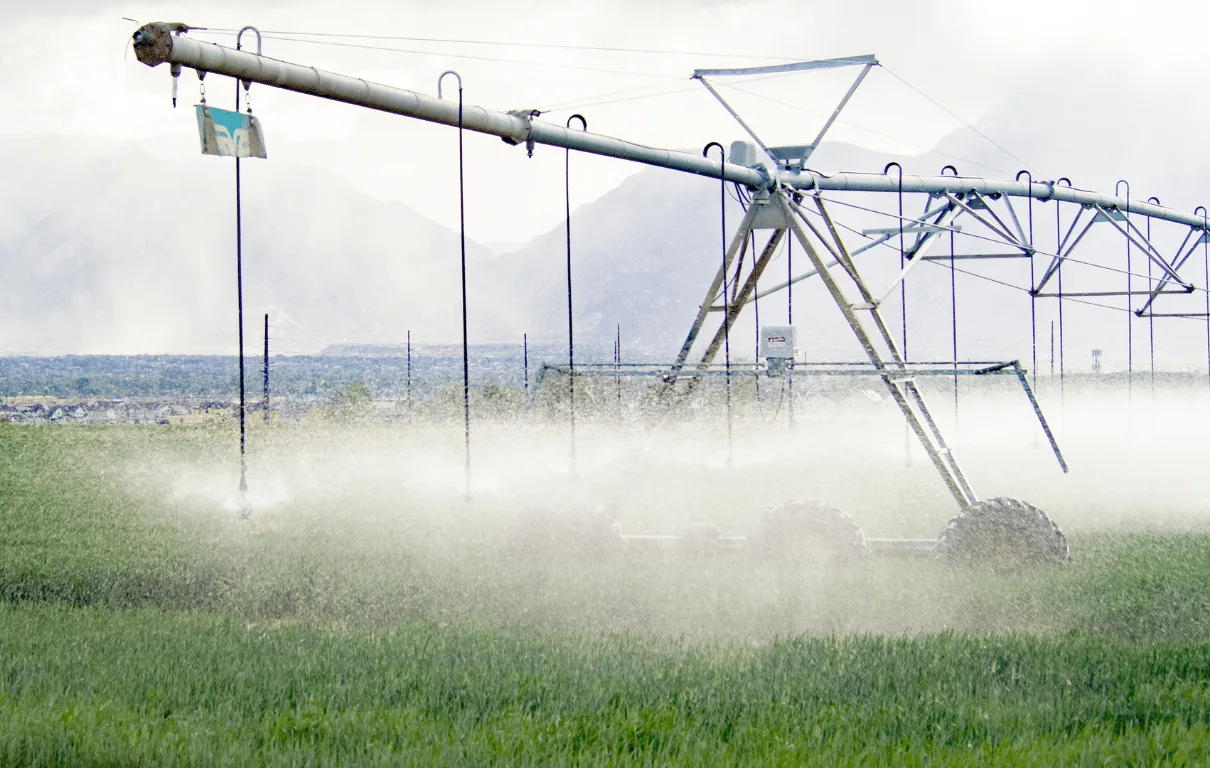
Alfalfa farming has significantly shaped Arizona’s agricultural landscape, driven by its high water consumption and substantial export market. As one of the most water-intensive crops, alfalfa consumes approximately 7 feet of water per acre annually, accounting for a large portion of the state’s agricultural water use, which totals about 72% of Arizona’s water resources.
This heavy reliance on groundwater, particularly in unregulated rural areas, has raised concerns about depleting aquifers, with some local wells drying up near large alfalfa operations. Arizona’s favorable climate allows for up to 8-10 harvests per year, making it a hub for efficient alfalfa production, with yields averaging 8.2 tons per acre compared to the national average of 3.2 tons.
The state exports over 350,000 metric tons of alfalfa annually, primarily to Saudi Arabia, China, and the United Arab Emirates, effectively shipping Arizona’s scarce water resources abroad in the form of hay. This “virtual water” trade has sparked controversy, as it prioritizes foreign markets over local water security, with critics arguing it exacerbates Arizona’s water crisis amid a 22-year drought.
For instance, foreign agribusinesses like Saudi-owned Fondomonte have faced scrutiny for pumping unlimited groundwater to grow alfalfa for export, prompting Arizona to terminate some of their land leases in 2023. Despite alfalfa’s economic benefits, including supporting the state’s dairy industry, which generates half a billion dollars in wages annually, its water-intensive nature has led to calls for stricter groundwater regulations. Environmentalists and local residents worry that continued heavy groundwater use could lead to long-term issues like subsidence and reduced water availability for communities.
Efforts to address these challenges include shifting to less water-intensive crops like hemp, as explored in studies by Arizona State University and the Heartland, aiming to balance economic viability with sustainable water use.
What Is Happening With Farmers And Their Access To Water?
Growing community development and manufacturing demands are prompting the reallocation of water rights, often prioritizing urban and industrial needs over agriculture. Arizona’s cities, expanding to accommodate population growth, are securing water supplies by purchasing or leasing water rights from farmers, particularly in rural areas where groundwater pumping has been less regulated.
For example, in 2024, the city of Buckeye acquired farmland and its associated water rights to support urban expansion, reducing the water available for local agricultural use. Manufacturing, especially semiconductor plants like those operated by Intel and TSMC in Arizona, requires significant water for operations, leading to deals that divert surface water and groundwater previously used for farming.
This reallocation has sparked tension, as farmers, who use about 72% of Arizona’s water, face stricter regulations and reduced access, particularly in Active Management Areas where groundwater pumping is controlled. Some farmers are selling their water rights to developers or industries at a premium, providing short-term financial relief but threatening long-term agricultural sustainability.
The Arizona Department of Water Resources has also implemented cuts to Colorado River water allocations, further limiting farmers’ access to surface water and forcing reliance on dwindling groundwater reserves. Meanwhile, rural communities worry that prioritizing urban and industrial growth could leave agricultural regions vulnerable to water shortages, impacting local economies dependent on farming.
As Arizona balances these competing demands, farmers are increasingly pushed toward adopting water-saving technologies or transitioning to crops like hemp to maintain viability in a water-scarce future.
How Has ASU Proved that Converting Alfalfa To Hemp Helps Arizona Farmers?
Arizona State University’s research, in collaboration with Heartland Industries, has demonstrated that transitioning from alfalfa to hemp significantly reduces water usage while maintaining economic prosperity for Arizona farmers. Their study found that alfalfa requires approximately 7 acre-feet of water per acre annually, whereas hemp needs only about 2 acre-feet, a reduction of over 70%.
This substantial decrease in water consumption allows farmers to conserve critical groundwater resources, particularly in Arizona’s drought-stricken regions. Importantly, the ASU study shows that hemp yields comparable economic returns to alfalfa, with farmers earning similar profits per acre due to hemp’s growing demand in industries like plastics, textiles, and food.
Hemp cultivation also requires less labor and fewer field operations, reducing costs and workload for farmers while maintaining their livelihoods. By switching to hemp, farmers can divert significant water savings—potentially over 1.2 million gallons per acre annually—to community development projects, such as urban expansion or manufacturing needs. This reallocation supports Arizona’s broader water management goals without sacrificing agricultural jobs, as hemp farming sustains rural economies.
ASU’s findings provide a compelling case for hemp as a sustainable alternative, enabling farmers to adapt to water scarcity while contributing to Arizona’s community development.
How Does Heartland Support Arizona Farmers?
Heartland, through its innovative material science initiatives, supports Arizona farmers by integrating industrial hemp into crop rotations, creating new revenue streams in markets like plastics, textiles, wood products, and construction.
By partnering with farmers to grow hemp, Heartland leverages its USDA grant-funded research to develop high-performance, carbon-negative additives that replace traditional materials like talc, calcium carbonate, and fiberglass in plastics manufacturing, offering domestic manufacturing opportunities for a commodity crop.
These hemp-based additives are used by plastic compounders and converters, enabling Arizona farmers to supply raw materials for sustainable products without requiring manufacturers to retool their processes.
In textiles, Heartland collaborates with global brands to incorporate hemp fibers, providing farmers access to a growing market driven by consumer demand for eco-friendly materials.
For wood products, Heartland’s hemp additives enhance the strength and sustainability of composites, creating opportunities for farmers to supply materials for furniture and packaging industries.
In construction, Heartland’s work on hemp-based materials for concrete, asphalt, and insulation supports Arizona farmers by positioning hemp as a viable crop for sustainable building solutions, though challenges remain due to the lack of ASTM standards and slow development of building codes.
The organization’s Hemp4Soil program further enhances soil health and carbon sequestration, improving farm performance while aligning with Arizona’s water conservation goals. By fostering these new markets, Heartland helps farmers maintain economic stability and contribute to community development by freeing up water resources previously used for alfalfa.
Ultimately, Heartland’s efforts empower Arizona farmers to thrive in a sustainable agricultural economy, diversifying their income while addressing the state’s water scarcity challenges.
Quick answers