Category
Sustainable Plastics
101 articles in this category.

CXO Times Features Heartland's Traceable Hemp Innovation In Sustainable Textiles
The CXO Times profiled how Heartland Industries is building a traceable, U.S.-grown hemp supply ecosystem for global textile manufacturers — spotlighting India expansion, Imperium Fibre™, and farm-to-retail transparency.

Declouding Customer Data and Hemp Supply Chain Data To Improve Privacy
The rapid integration of artificial intelligence into every layer of business is transforming cloud services — but not always for the better.

Hemp Fiber and Grain Association Joins Forces With Heartland
HFGA partners with Heartland to educate US farmers on industrial hemp for fiber and grain — agronomy, markets, and supply-chain readiness.

Nylon Alternative: Imperium Fiber vs Petroleum Nylon Fabric
A nylon alternative must swim, wick, and hold a seam. Imperium Fiber is Heartland's hemp yarn and fabric for that job — no petroleum, no microplastic shed.

First In Class Natural Fiber Reinforced PC/ABS For Electronics
Natural-fiber reinforced PC/ABS brings strength and lower carbon to electronics housings — Imperium as a drop-in path beyond talc and glass.

Replacing Nylon With Hemp & Lyocell: Strength, Softness, No Microplastics
Replace nylon fabric with hemp and lyocell (Tencel): activewear-class strength and hand, no petroleum filament, no microplastic shed. Spec Imperium Fiber.

Oxidative Stress From Polyester & Nylon Clothing Static
Polyester and nylon clothing build static that can raise oxidative stress next to skin. Imperium Fiber — American hemp — is the calmer cellulosic path.
The Separation Of Planting Seed and Pesticide: An Economic & IP Goliath
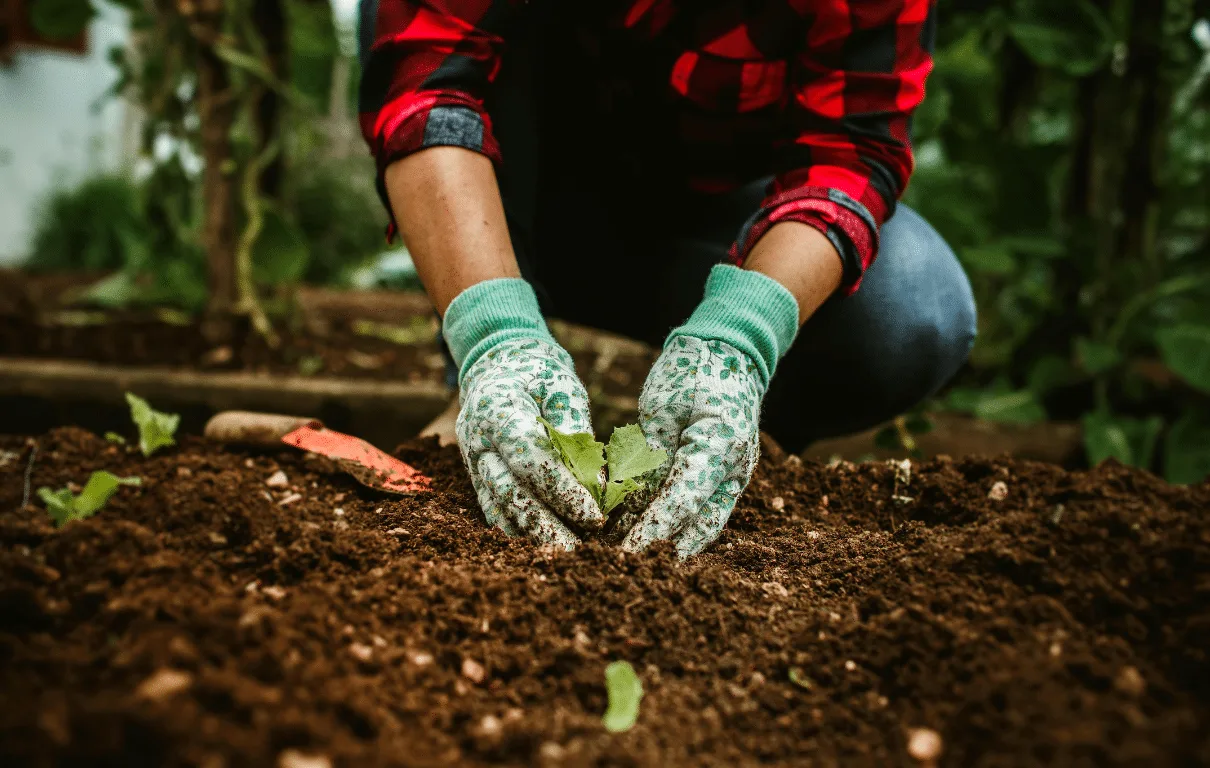
Separating seed IP from pesticide lock-in could reshape farm economics. What that shift means for industrial hemp and grower choice.

Sustainability in the Textile Industry: Challenges and Opportunities
Textile sustainability faces DPPs, end-of-life rules, and material taxes. How American hemp fiber helps brands cut microplastics and Scope 3.
Heartland Presents Hemp4Soil USDA Grant Results At SWCS
The Hemp4Soil Grant was awarded to Heartland in 2022 to explore the integration of hemp fiber in conventional crop rotations throughout the United States.

Magna Exteriors x BASF x Heartland - ALTAIR Enlighten Award Finalists
The ALTAIR Enlighten Award is a globally recognized accolade that celebrates groundbreaking advancements in automotive sustainability and lightweighting. Presented annually in collaboration with the Center for Automotive Research (CAR)
Alfalfa to Hemp Farming in Arizona - ASU & Heartland Study Water Conservation
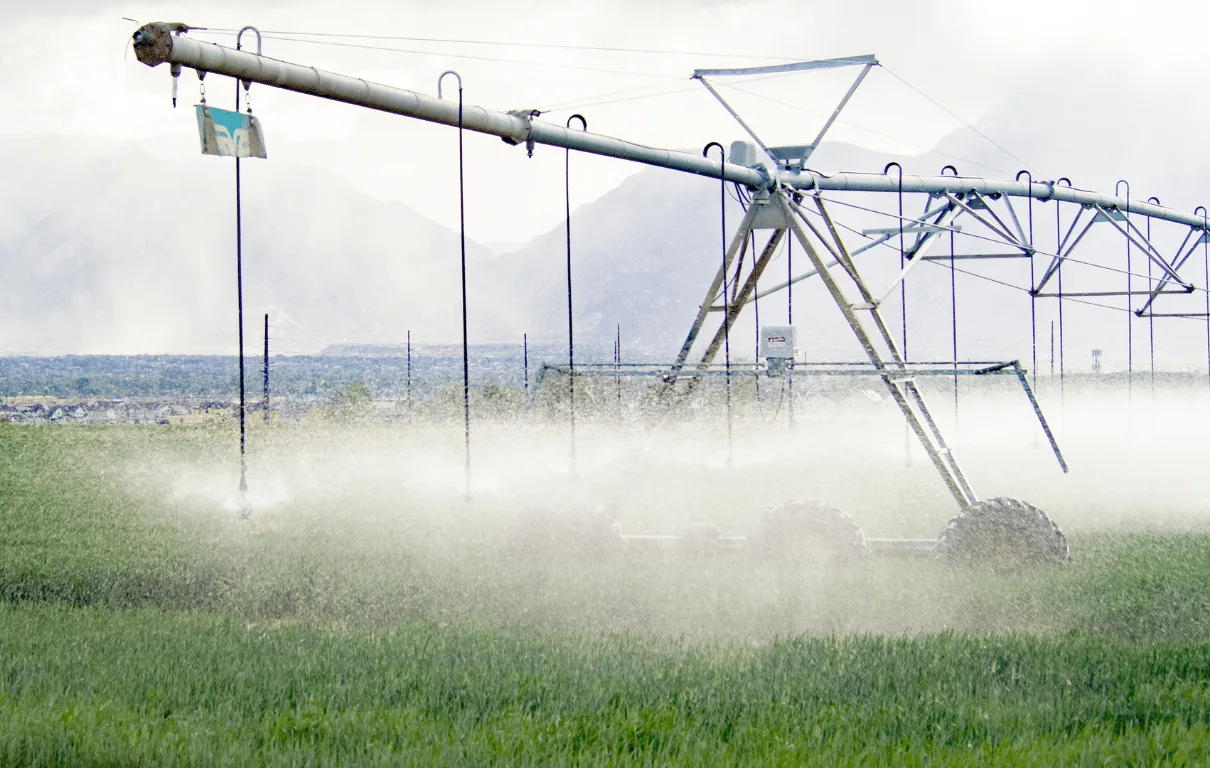
Alfalfa farming has significantly shaped Arizona’s agricultural landscape, driven by its high water consumption and substantial export market.

Heartland Accepted To Amazon Devices Climate Tech Accelerator
Being chosen for the Amazon Devices Climate Tech Accelerator is a testament to Heartland’s commitment to pioneering sustainable solutions for the electronics industry.
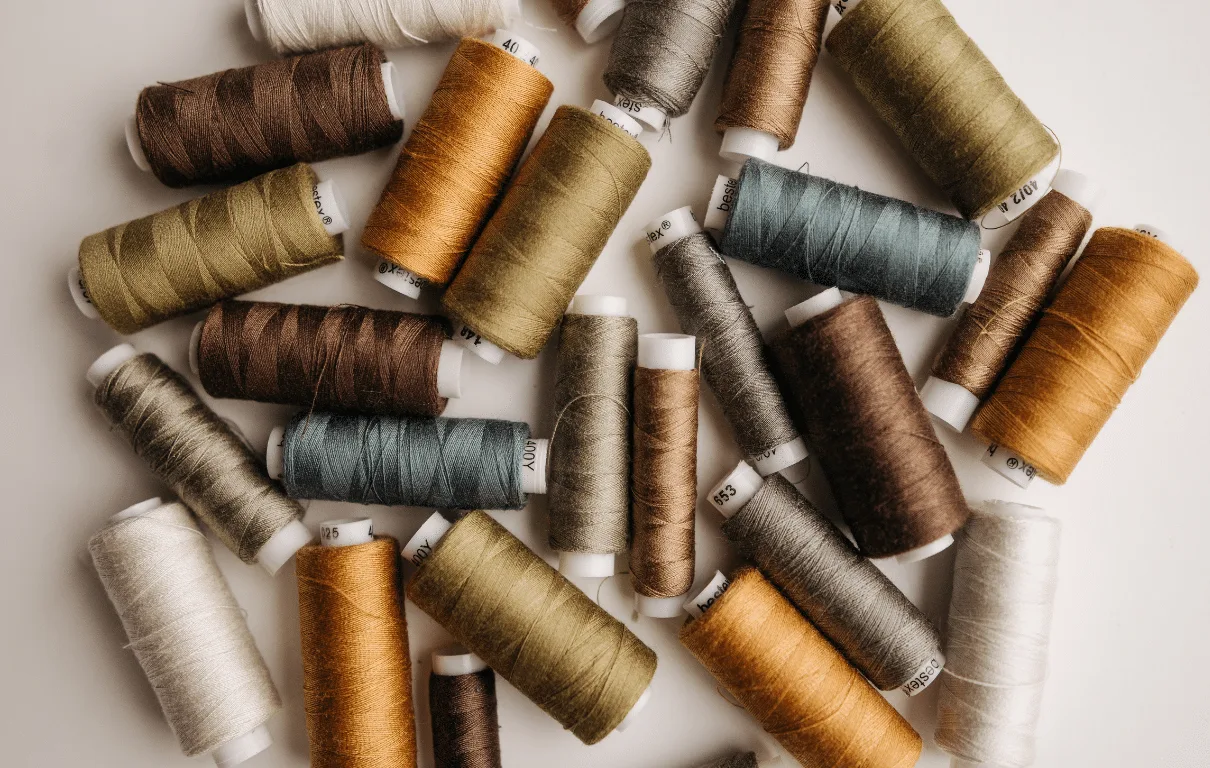
Imperium Fiber PolyHemp As A Lower Cost Alternative To PolyCotton
Imperium Fiber PolyHemp replaces PolyCotton with hemp + polyester: lower cost path, stronger natural fraction, and less cotton water intensity.

What Is PolyHemp, How Can It Be Used, And Where Do I get It?
PolyHemp is hemp blended with polyester — a durable, breathable PolyCotton alternative. Where to use it and how to source Imperium Fiber.

Heartland’s Imperium Fiber Setting New Standard For Soft Hemp Fiber
Imperium Fiber is Heartland's softened American hemp — up to 95% less water than cotton, no pesticides, and a butter-soft hand for yarn and fabric.

Heartland Partners with Aureo To Derive New Insights From Data Lake
In the modern era of industrial innovation, manufacturing and farming equipment generate some of the most intricate and voluminous data streams in the world.

Challenging Fast Fashion As Prices Shift Upward For Clothing
As clothing prices rise, fast fashion's cost edge fades. Durable hemp textiles and Imperium Fiber give brands a better cost-per-wear story.

Farmers Are Reducing Water Usage By Adopting Hemp Fiber and Grain
Water-intensive crops significantly strain global freshwater resources, with some requiring far more irrigation than others due to their biological needs and growing conditions.

Arizona Alfalfa Farming & Exports To China Hit A Brick Wall With Tariffs
Over the past century, Arizona’s farming history has evolved dramatically, shaped by its arid climate and innovative irrigation systems.

Imperium Reinforced HDPE to Replace PP Applications With Improved Stiffness
Virgin High-Density Polyethylene (HDPE) and Polypropylene (PP) are two widely used thermoplastics, each offering distinct performance benefits tailored to specific applications.
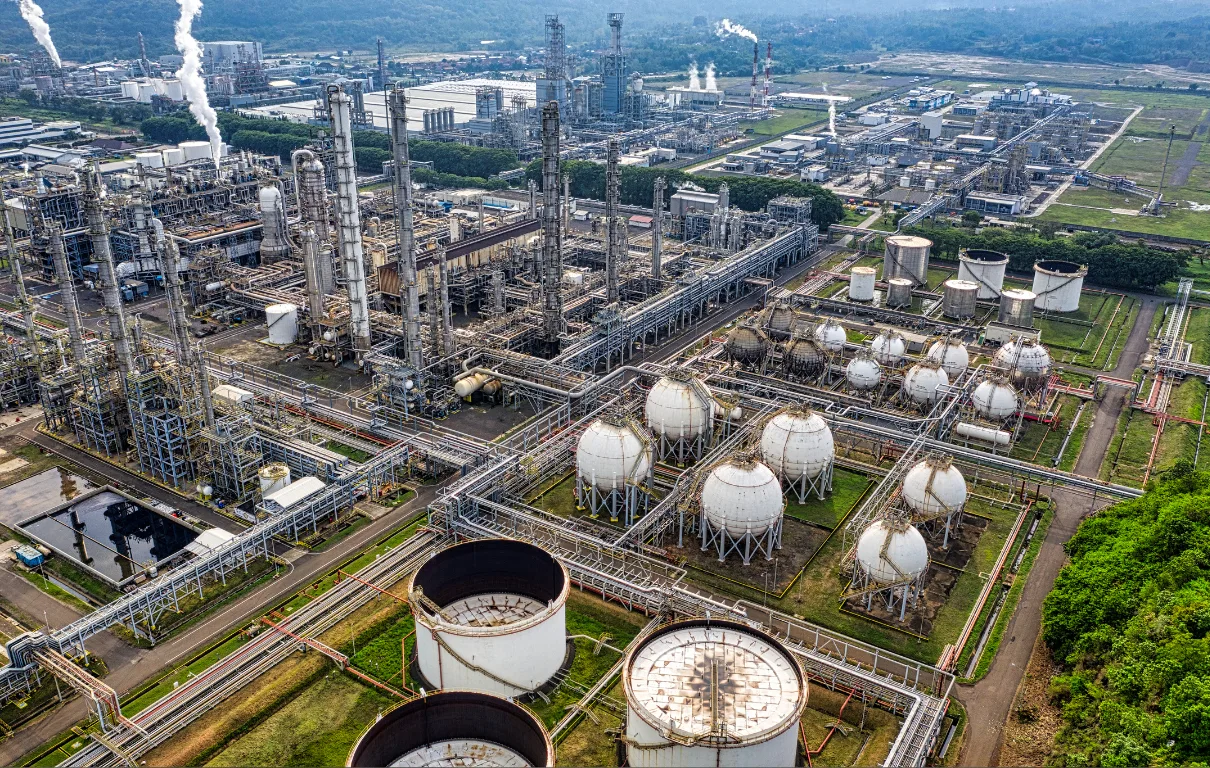
Polyethylene Manufacturing in the US Post China Tariffs
China consumes almost 40% of all US ethylene exports, used in manufacturing for many of the everyday products we love here in the US.

52% of US Soybean Bought By China in 2024, Now Is Not The Time To Plant Soybean
At the time of this article, soybeans were hovering under $10/bushel, which is near or below the break-even point for farmers.

Tariffs Are Shifting Buying Habits To Localization, Similar To COVID
The COVID-19 pandemic hit global supply chains like a sledgehammer, revealing just how fragile decades of offshoring had made essential industries.

BASF Regenerative Farming Program Cuts Emissions By 90%
The results were a whopping 90% reduction in carbon emissions from the farming process and locking in enough CO2 emissions to provide an income stream back to farmers.

TDS, SDS, Carbon Report | Using Carbon Report To Simplify Tracking CO2
The Heartland team has been sending carbon emissions data with TDS and SDS when bidding on new programs for 5 years.

Roots Carbon Credit Checkout Integration For Conscious Brand Owners
Roots checkout carbon credits let brand owners offer climate action at purchase — how Heartland partners on conscious commerce.

What Is Hemp Seed Oil And How Can It Benefit The Chemicals Market?
Hemp seed oil, the green gold of the plant world, is a versatile powerhouse extracted from the tiny seeds of the Cannabis sativa plant. A primer on its industrial applications.

What Is Hemp Stalk & How Is It Processed Into Different Applications?
Hemp stalk is the plant stem: outer bast fiber for yarn and composites, inner hurd for construction and fillers. Here is how each fraction is processed and used.
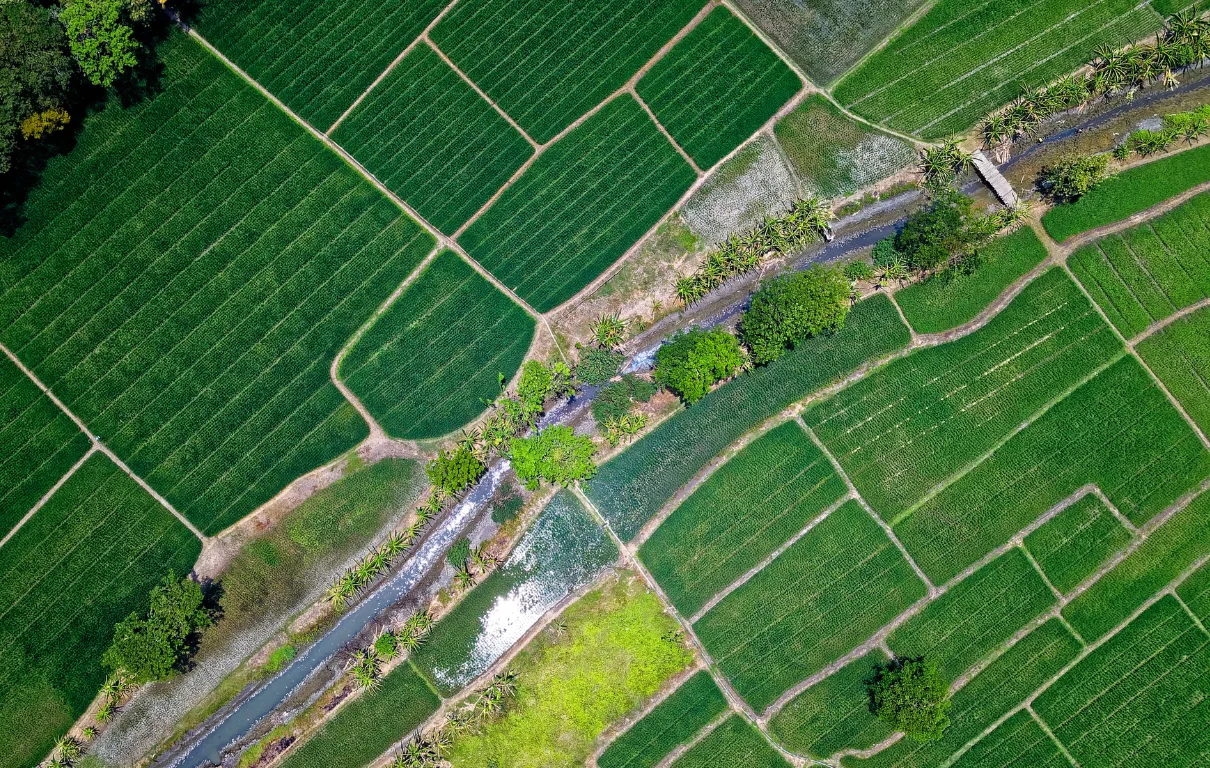
Local Materials For US Manufacturing: Imperium Supply Chain
The U.S. has vast natural resources, but some critical materials simply don’t exist in abundance within its borders.
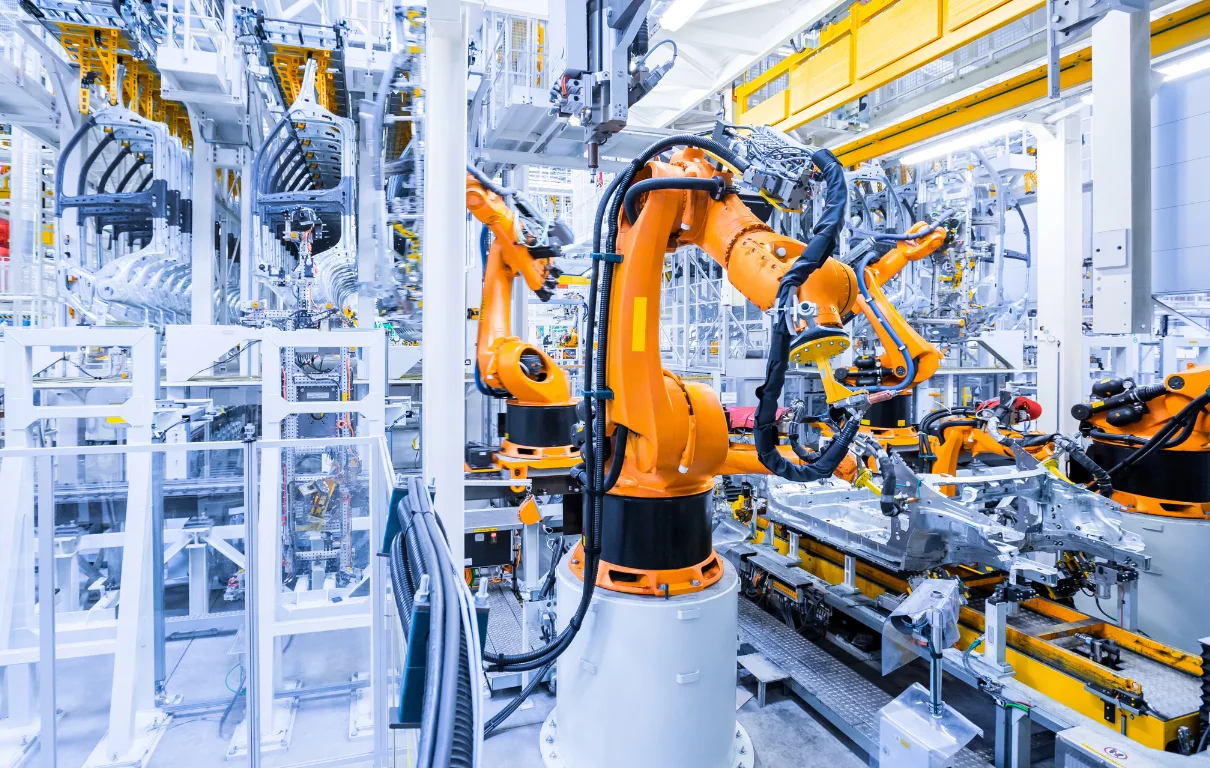
Manufacturers Tightening R&D, Cost Savings in Economic Uncertainty
Economic uncertainty in 2024 created significant headwinds for the manufacturing sector, with growth slowing as companies faced rising costs and volatile demand.

Industrial Hemp As The Feedstock To Make New Chemicals
At that time, it was a "survival of the fittest" mindset—industries chose feedstocks that were cheapest and most efficient to dominate the market.

Farming Hemp Grain and Fiber In 2025: Organic is King
Entering into 2025, corn and soybean producers are grappling with persistently low commodity prices, making profitability a growing challenge.
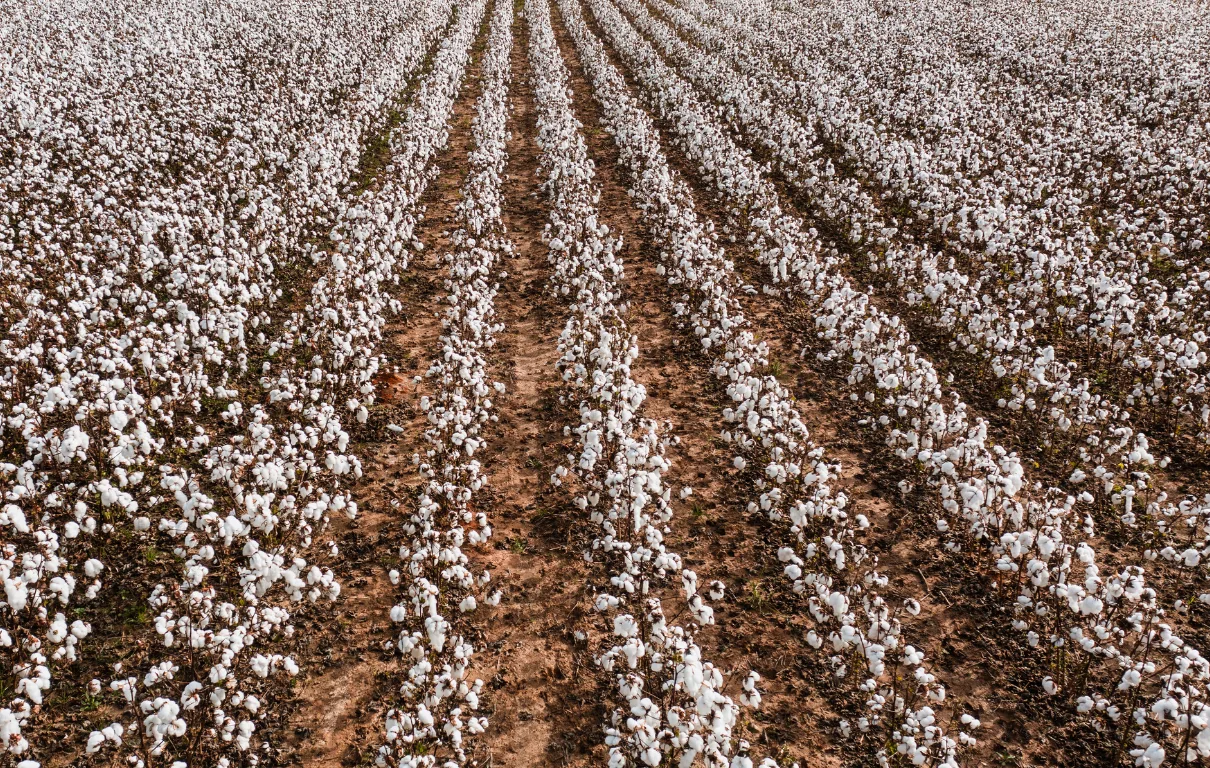
Hemp Fiber Requires Less Water Than Cotton To Farm, Up To 95% Less
Hemp fiber needs roughly 300–500 liters of water per kg versus thousands for cotton — why mills and brands are switching textile feedstock.
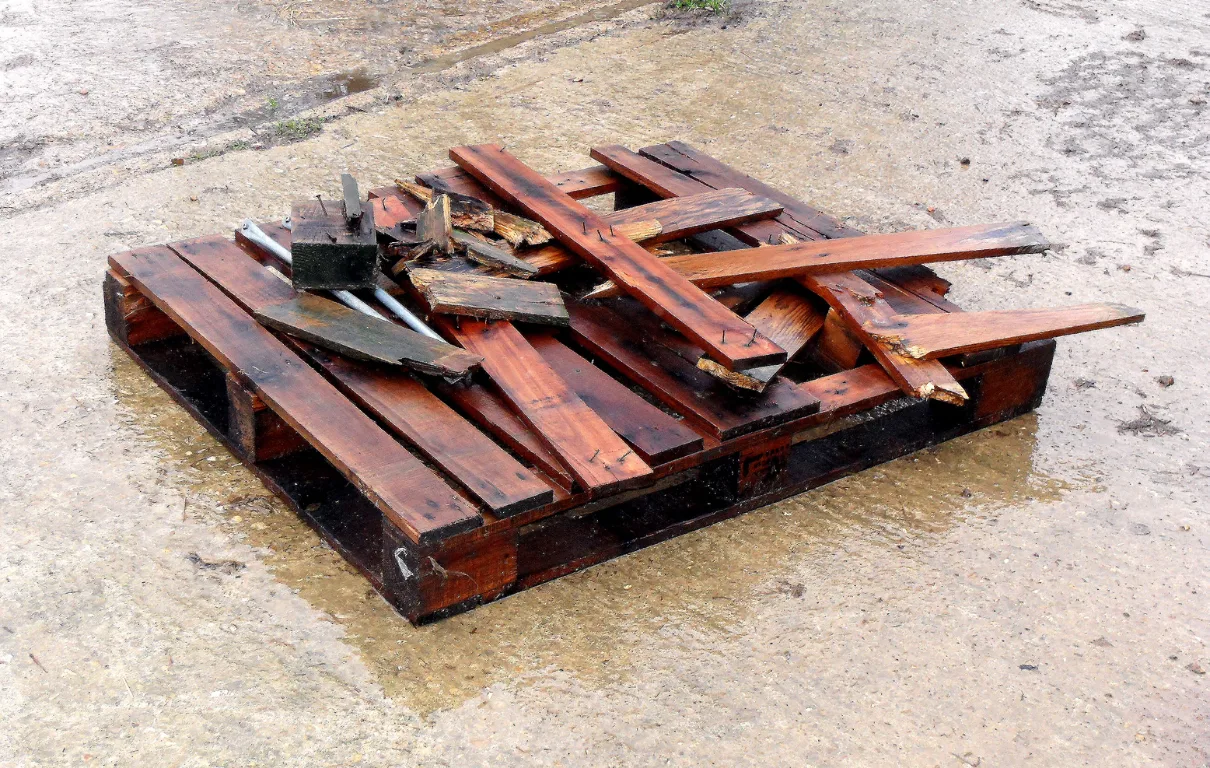
The Dark Side of Wood Pallets For International Shipments
International shipping often treats wood pallets as disposable commodities, but their overlooked importance can lead to significant consequences.
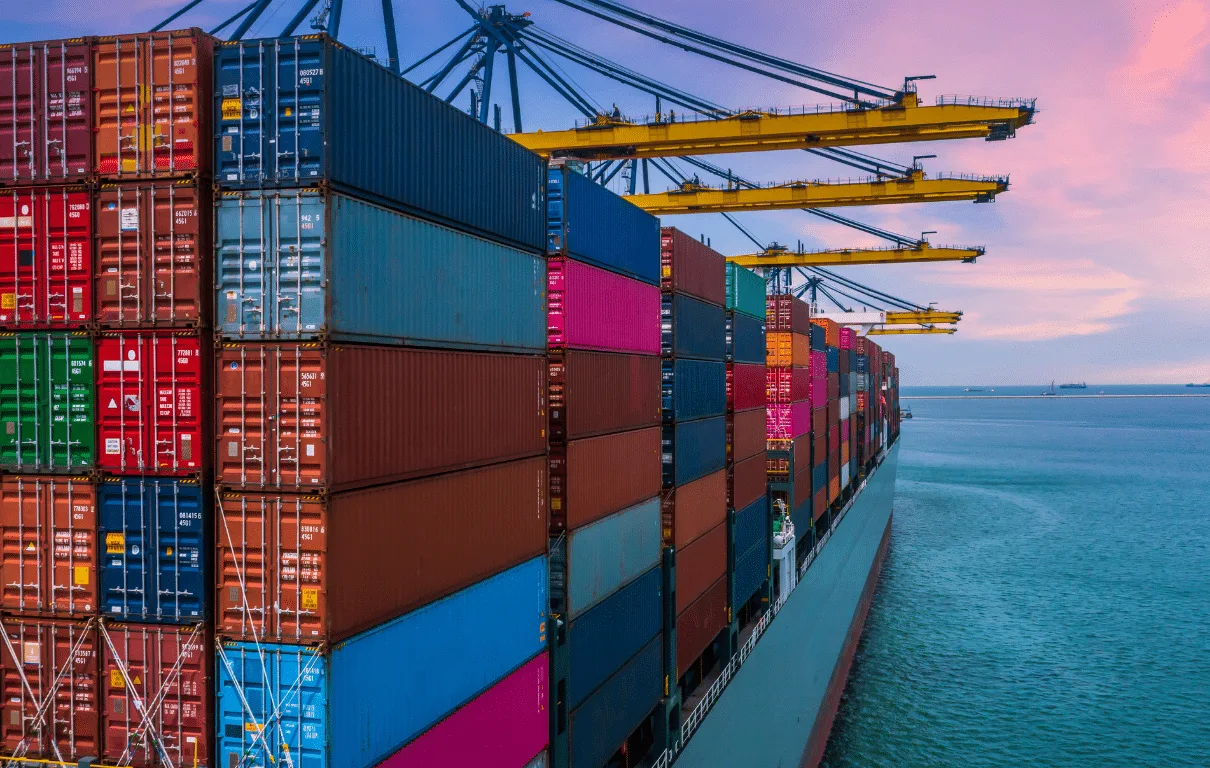
Addressing Phyto Sanitation Risks Importing and Exporting Wood Pallets
Importing wood pallets comes with stringent phyto sanitation measures, including mandatory heat treatment to eliminate pests and prevent the spread of invasive species.
Carbon Farming: It’s Not About Carbon Footprint It’s About Food and Water
Carbon farming represents a significant ideological shift toward regenerative agriculture, emphasizing the restoration and enhancement of natural ecosystems.

What Is Mass Balance? Carbon Neutrality and Science Based Targets
Mass balance is a straightforward method used to track and manage carbon emissions across complex systems. It operates on the principle of combining the impact of each ingredient in your product's formulation.
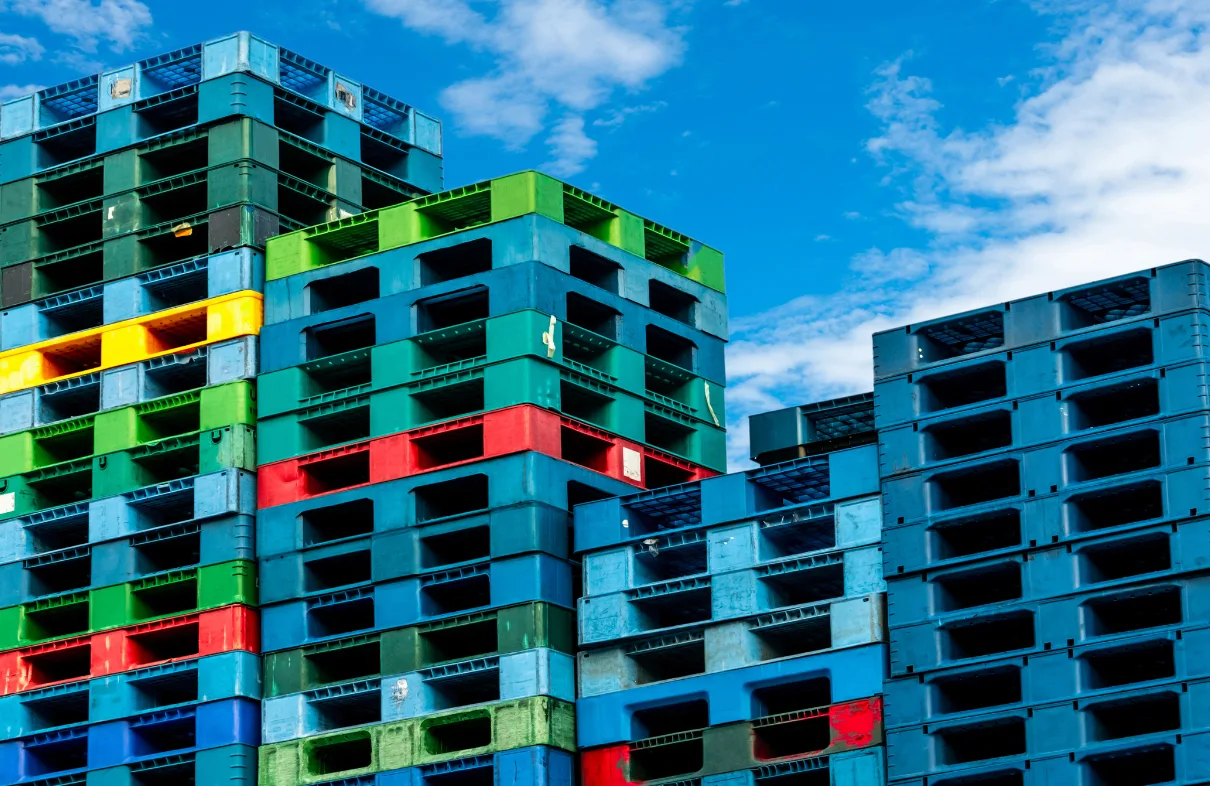
Building a Carbon-Negative Future: Sustainable Packaging
The journey toward carbon-neutral packaging marks a pivotal shift in the global push for sustainability.

Net Zero and the Future Potential – Where Can We Go from Here?
Net zero needs materials that cut cost and carbon together. Where hemp-based Imperium fits in manufacturing's path off fossil fillers.
Sustainability/Industry 5.0 - The First Proactive Industrial Revolution
Industry 5.0 The first proactive industrial revolution. It stands on the shoulders of the first four industrial revolutions, learning from their triumphs and shortcomings.
The Chief Sustainability Officer (CSO)- The Rising Star in the C-Suite
A little newer to the C-suite is the role of Chief Sustainability Officer (CSO). In some cases, the position has existed for over a decade.
Marketing Sustainability through the Lens of a Brand Manager
Brand managers now own sustainability KPIs alongside equity. How materials choices like Imperium turn Scope 3 goals into product stories.
Engineering Earth: Revolutionizing Carbon Sequestration
The pressing challenge of our era is not carbon itself but its imbalance—excessive carbon in our atmosphere and insufficient carbon in our soil.
Why Innovation is Crucial to a 5.0 World for Businesses to Survive
When Thomas Edison famously invented the lightbulb in 1879, it was truly a miracle of science.

Industry 5.0: A Student's Guide to Sustainable Success
For students poised to enter the workforce, understanding and adapting to this new industrial revolution with a focus on sustainability is crucial.
What 5.0 Means to Investors in the New Era of Sustainability
Investors, regardless of type—be it angel, debt, equity, investment banker, fund manager, or venture capitalist—share a common goal: achieving a return on their investment (ROI).
Investing in Manufacturing Innovations: Pioneering a Sustainable Future
Manufacturers produce many types of goods, relying heavily on raw materials such as wood, steel, and petrochemicals—materials that have seen little change in the past 50 years.
John Ely Appointed CEO of Heartland Industries As The Company Grows
Jesse Henry has announced his departure after a transformative four-year tenure, during which he achieved significant milestones that reshaped the plastics industry landscape.
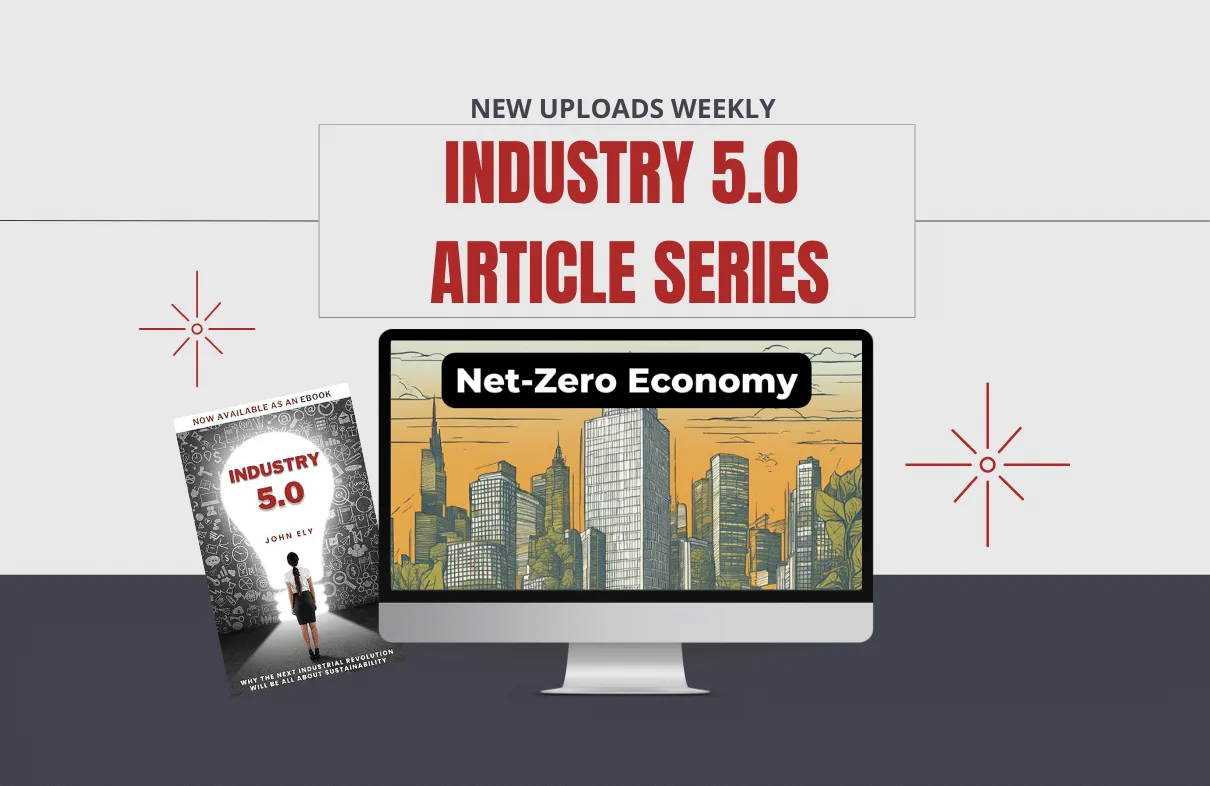
The Road to Net Zero: Paving the Way for a Sustainable Future
The question of whether we can achieve a net zero economy is very complex. The global COVID-19 pandemic offered a stark lesson on the impact of human activity on the environment.

Green is the New Gold: How Sustainability Elevates Brand Value
Brand value is a difficult concept to put boundaries around. Today, one of the most significant drivers of brand value is sustainability.

Scope 3 Emissions - The Good, The Bad, and The Ripple Effect
The Pressure to Report Scope 3 Emissions Last week we touched on the new SEC rules for reporting emissions and as we covered, the new rules only apply to Scope 1 & 2 emissions.
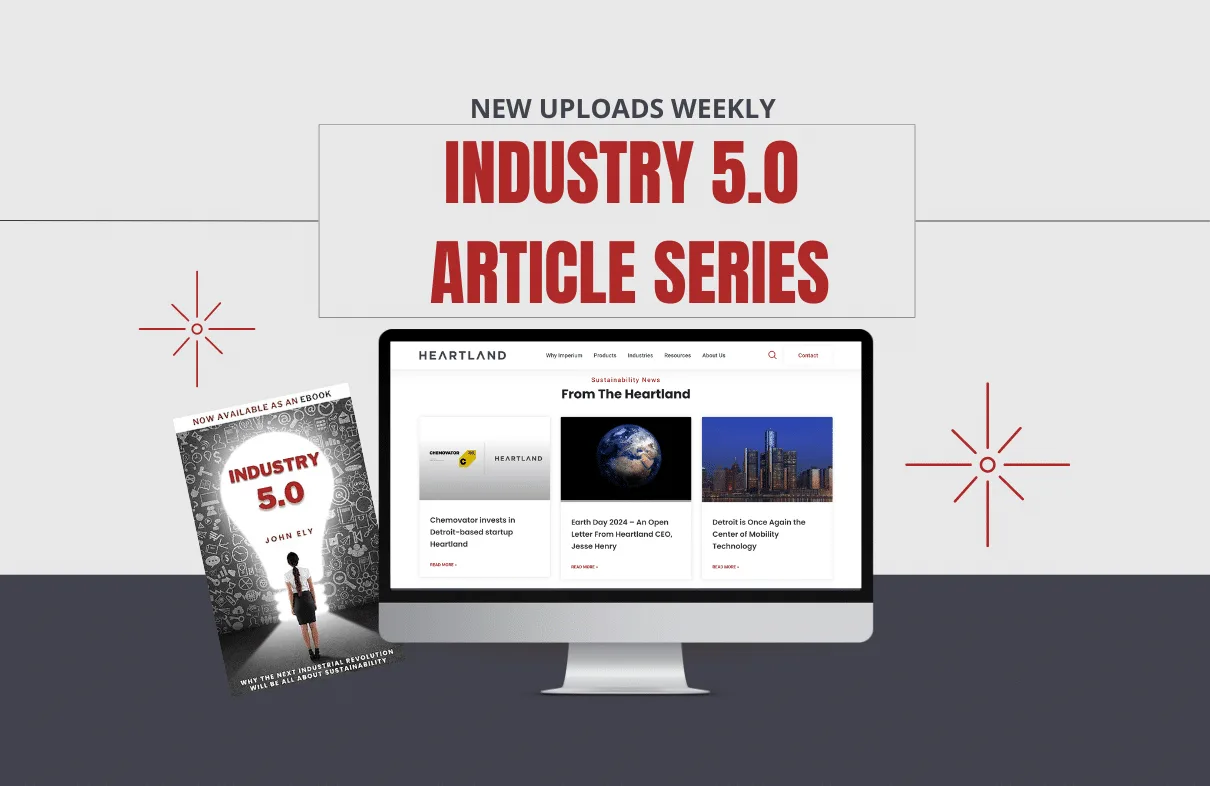
Implementing the New SEC Goals: A Pathway to Sustainable Development
To kick off the 5.0 series, we are starting with a topic that affects all publicly traded companies: the new SEC mandates for reporting emissions.
Chemovator invests in Detroit-based startup Heartland
- Heartland works with local farmers to produce natural fiber materials, enabling manufacturers to create more sustainable products.

Detroit is Once Again the Center of Mobility Technology
Detroit is again a hub for mobility tech — EVs, lightweighting, and sustainable materials. Why Heartland builds the hemp supply chain there.
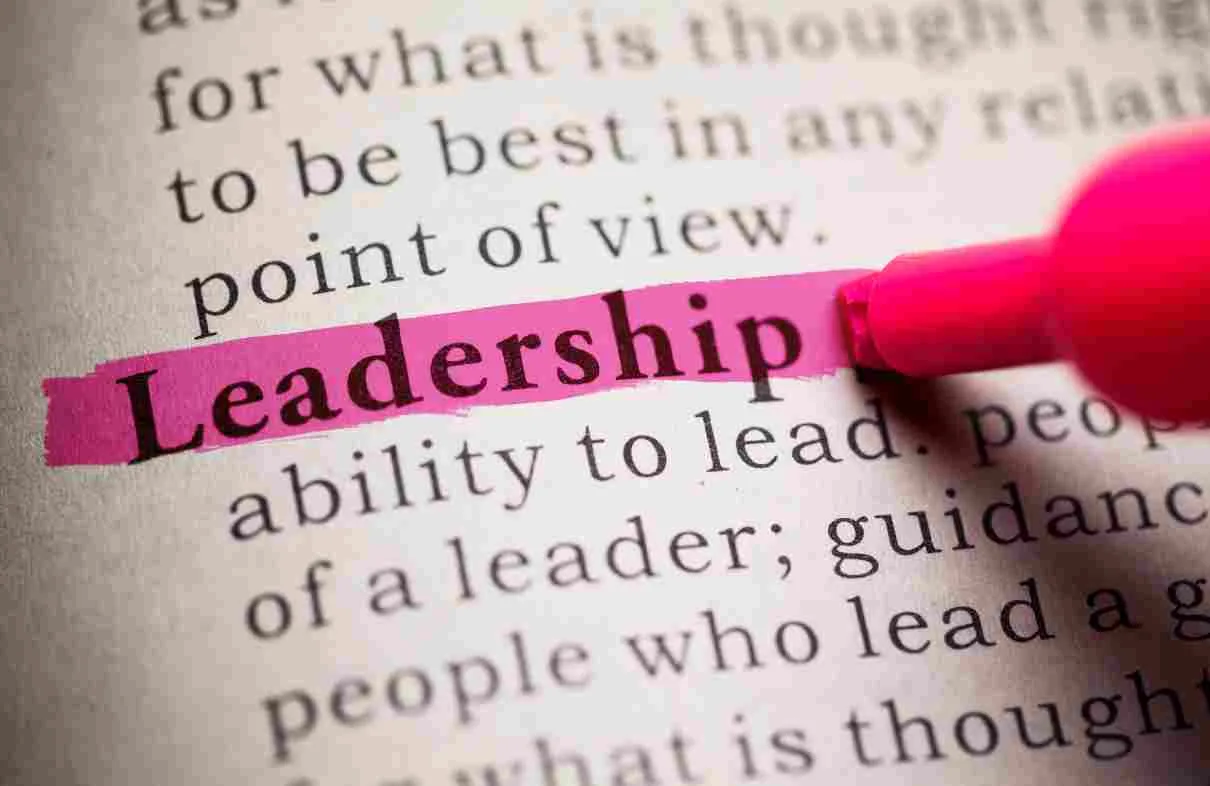
The New Sustainable Leadership Era - Why It's Here to Stay
Leadership matters. We hear this all the time, but why? Because all organizations follow the mindset of the leaders in charge. We follow leaders for direction.
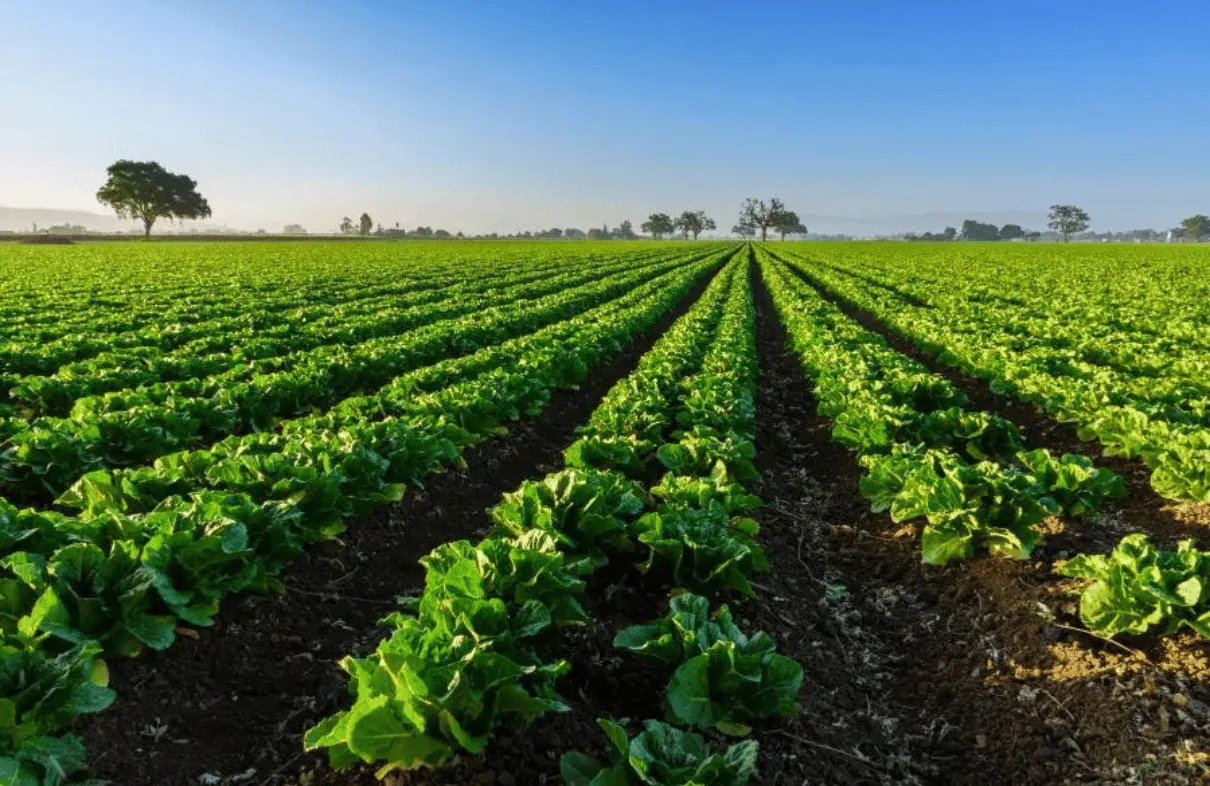
Engineering Earth: Rethinking Agriculture After 100 Years of Innovation
Over the last 100 years, we have begun Engineering Earth as mechanization has enabled our farming community to do the unthinkable.
Heartland Industries - 2023: A Year of Sustainability, Innovation, and Growth
As we step into a new year, we'd like to take a moment to reflect on the remarkable journey that was 2023 for Heartland Industries.
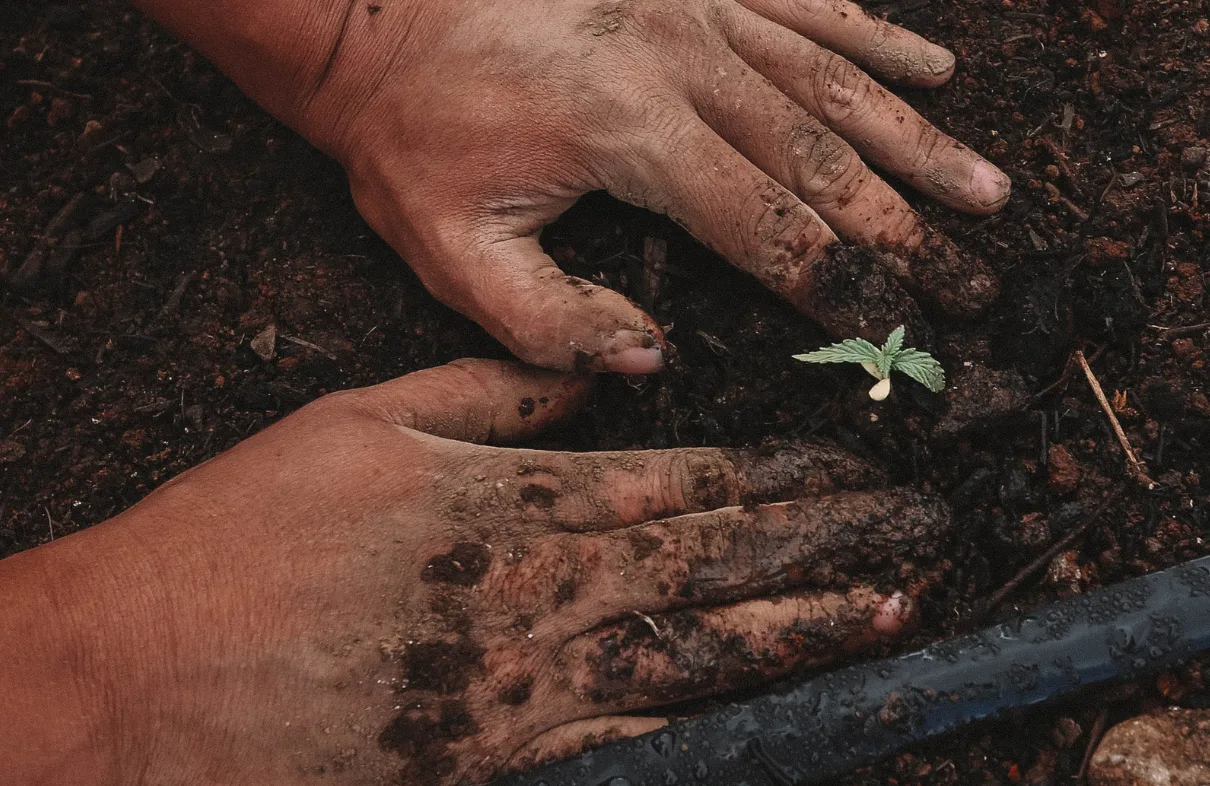
Industrial Hemp Planting 2024: The Year of Growth and Standardization
As we roll into 2024, many farmers are scratching their heads, looking for more reliable options than the old standbys of corn and soybeans.
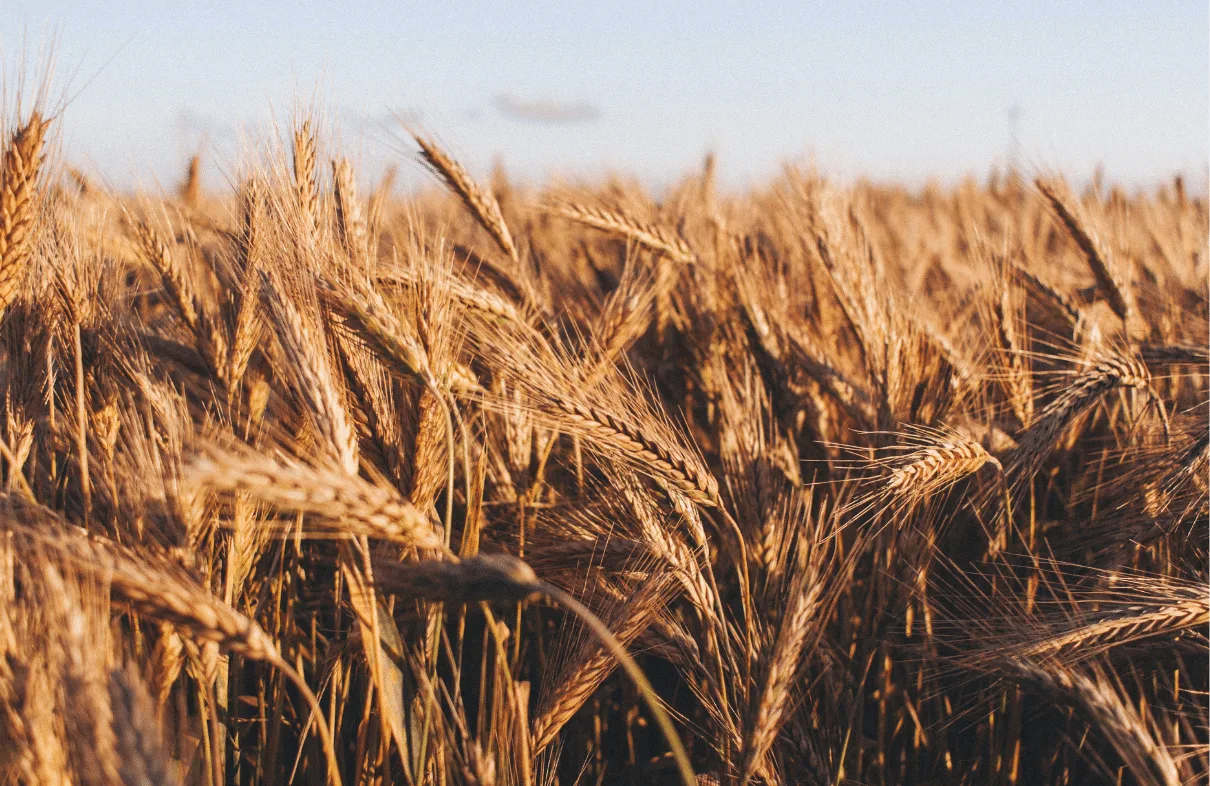
Planting Hemp Fiber in the Summer Behind Winter Wheat
Winter wheat is a common crop in a farmer's rotation. Typically planted at the end of the season in fall and harvested in early summer, around July.
Heartland Joins Forces With The Hemp Fiber and Grain Association
An association acts as a central hub for information exchange, providing a platform for professionals to share insights, best practices, and the latest developments.
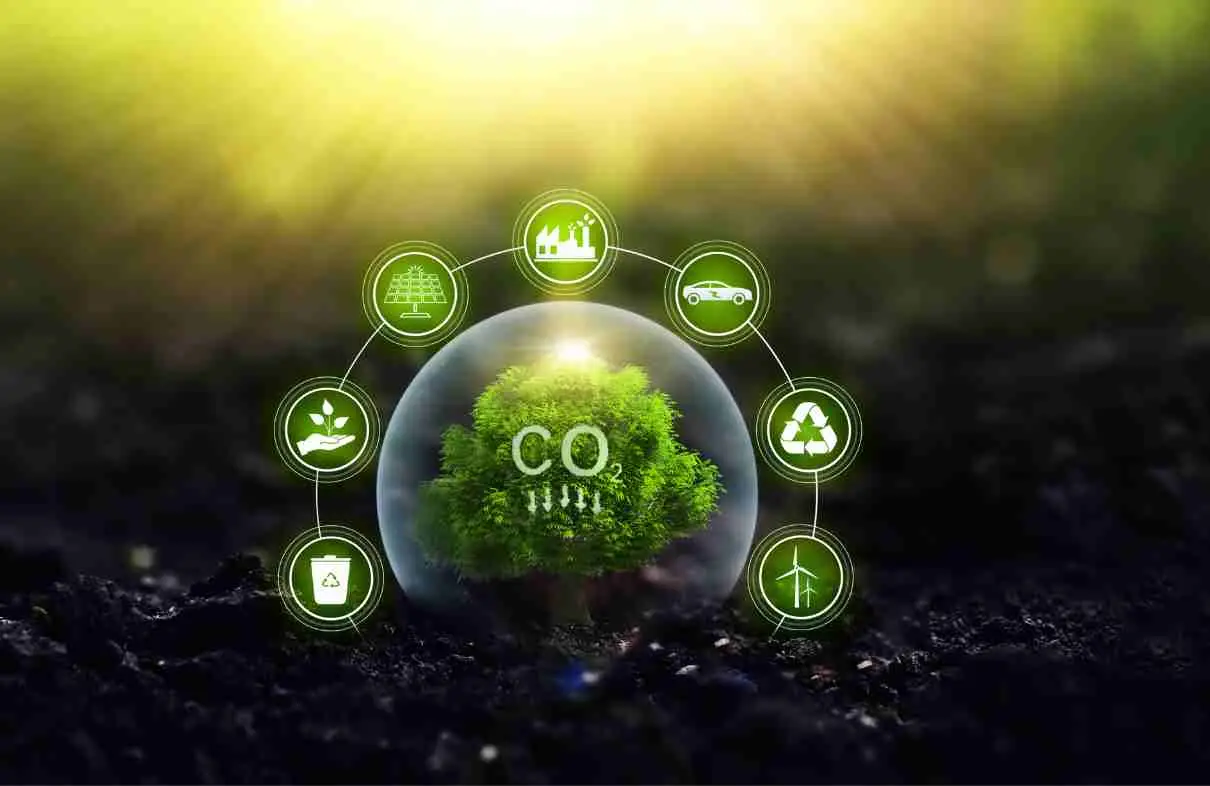
Navigating Complex Scope 3 Emissions - Strategies for Manufacturing
We read about Greenhouse Gas Emissions (GHGs), Corporate Carbon Footprints and the overall journey towards Net Zero almost every day.

Jesse Henry on The Future of Mobility Podcast with Brandon Bartneck
The Future of Mobility podcast is hosted by Brandon Bartneck as a means of showcasing all of the work being done to improve sustainability for everyone.

Driving Towards Sustainability - Shedding Pounds to Save Energy!
Transportation is foundational to human experience. Humanity has evolved from carriages, buggies, and bicycles into dozens of different types of scalable motorized activities.

The Scope 3 Carbon Footprint Of A Plastic Automotive Part
In recent years, the automotive industry has witnessed a significant shift towards the use of plasticsin various vehicle components.

2 Ways Automotive Manufacturers Are Decarbonizing Their Plastic
Decarbonization is a big word, with many meanings depending on your industry. In metal, it is attributed to the energy used to make your parts.
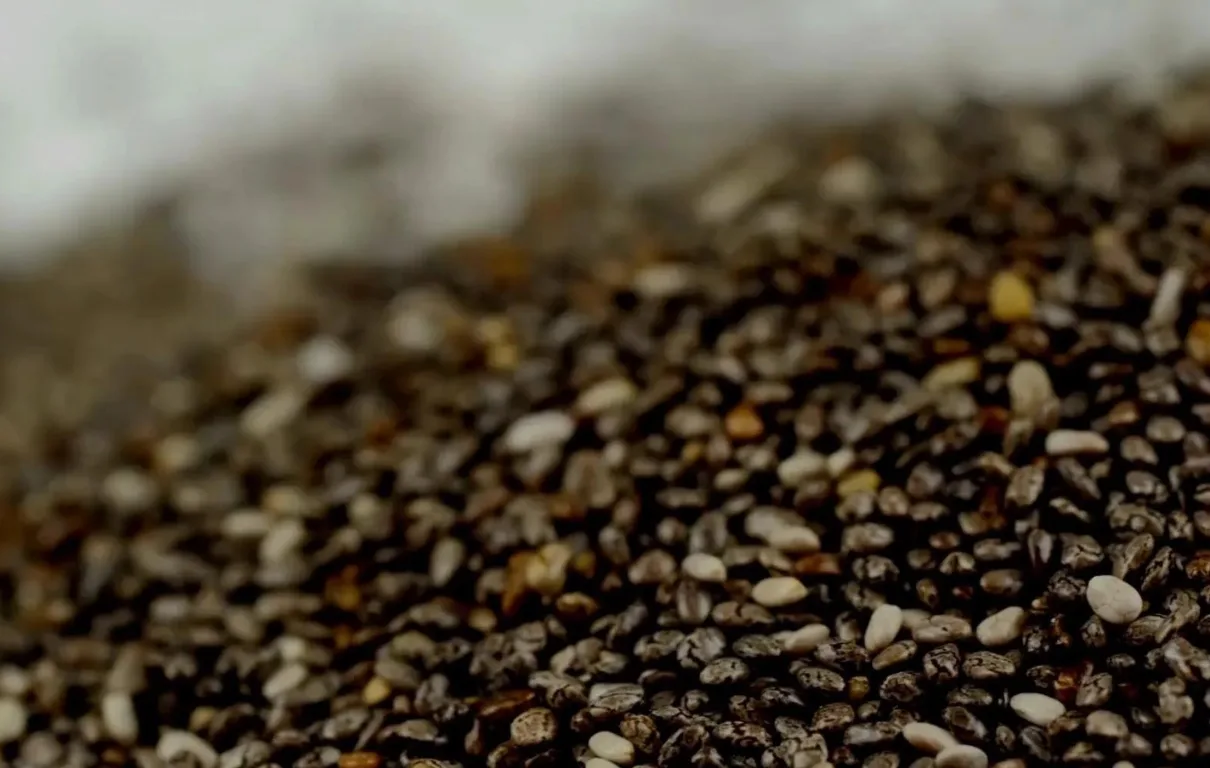
Did You Know Farming Hemp Fiber Doesn't Remove Food From The Supply Chain?
Heartland is one of the largest hemp fiber producers in North America, and the largest hemp fiber producer in the US.
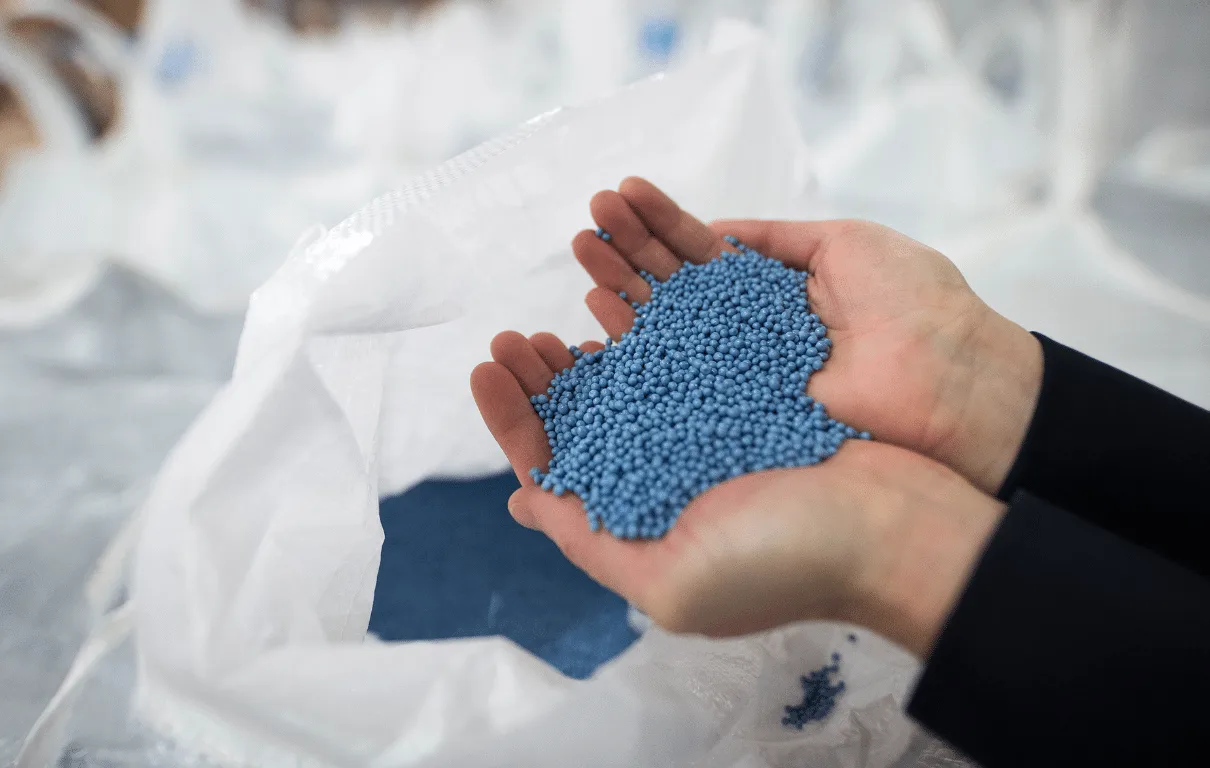
Top 3 Ways Manufacturers Can Decarbonize Plastic Products
Over the last 100 years, plastic has evolved in every way. New, high-performance plastic has been identified by researchers searching for the next molecule.
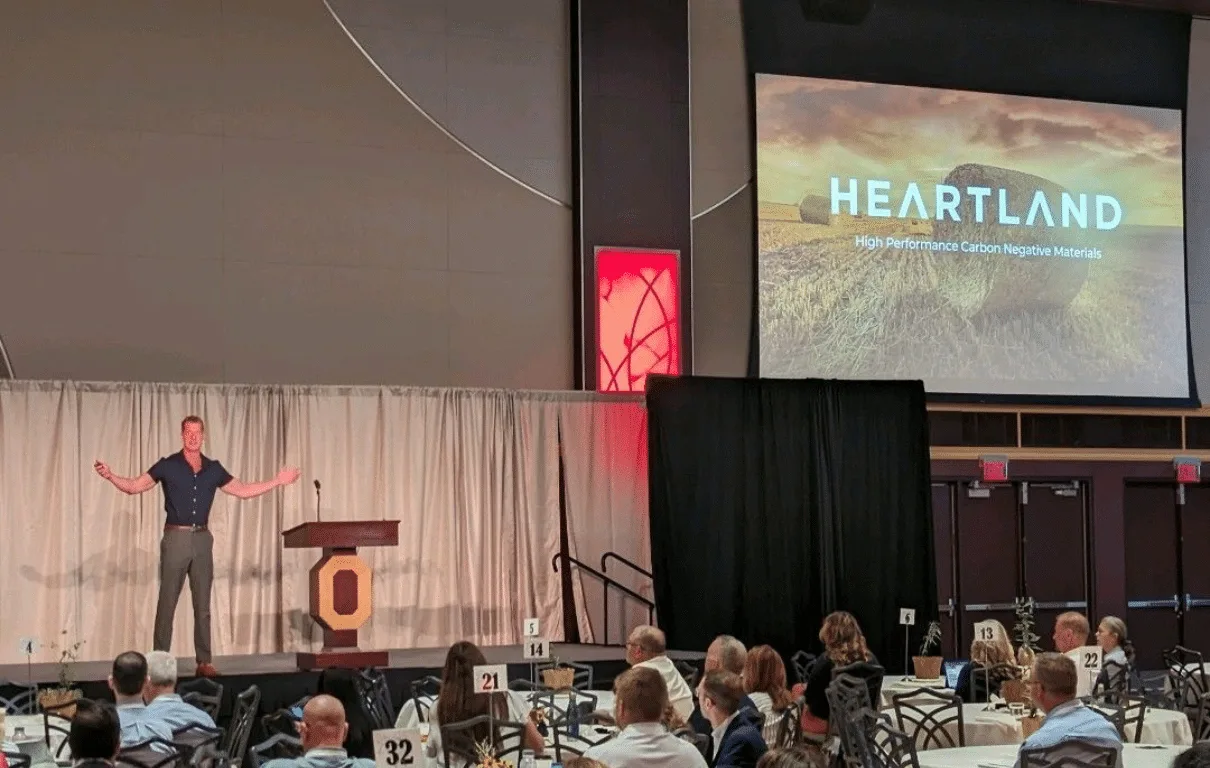
Heartland Presents The Green Packaging Initiative at The SPE Event in Ohio
Packaging is a core component of shipping goods around the world. Everything from pallets and crates to cardboard boxes and protective wrap.
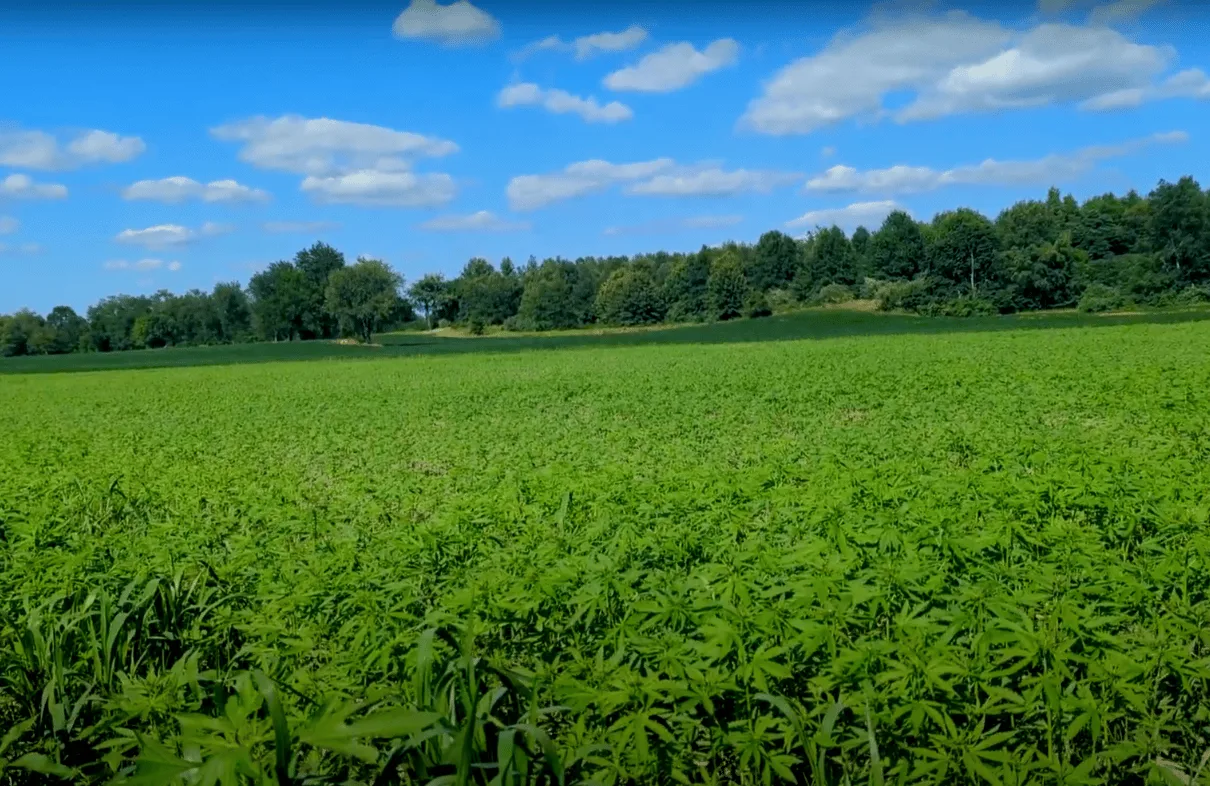
Hurd Milled Presents Uncessesary Challenges For Compounders
The hemp stalk can be separated into two parts. The fiber is used as a reinforcement agent and the hurd can be used as a filler.

Innovations in the Auto Industry are Speeding Our Way
A good way to predict the future is to look at what the innovative industries, which are generally on the leading edge of technology and advancement, are working on.
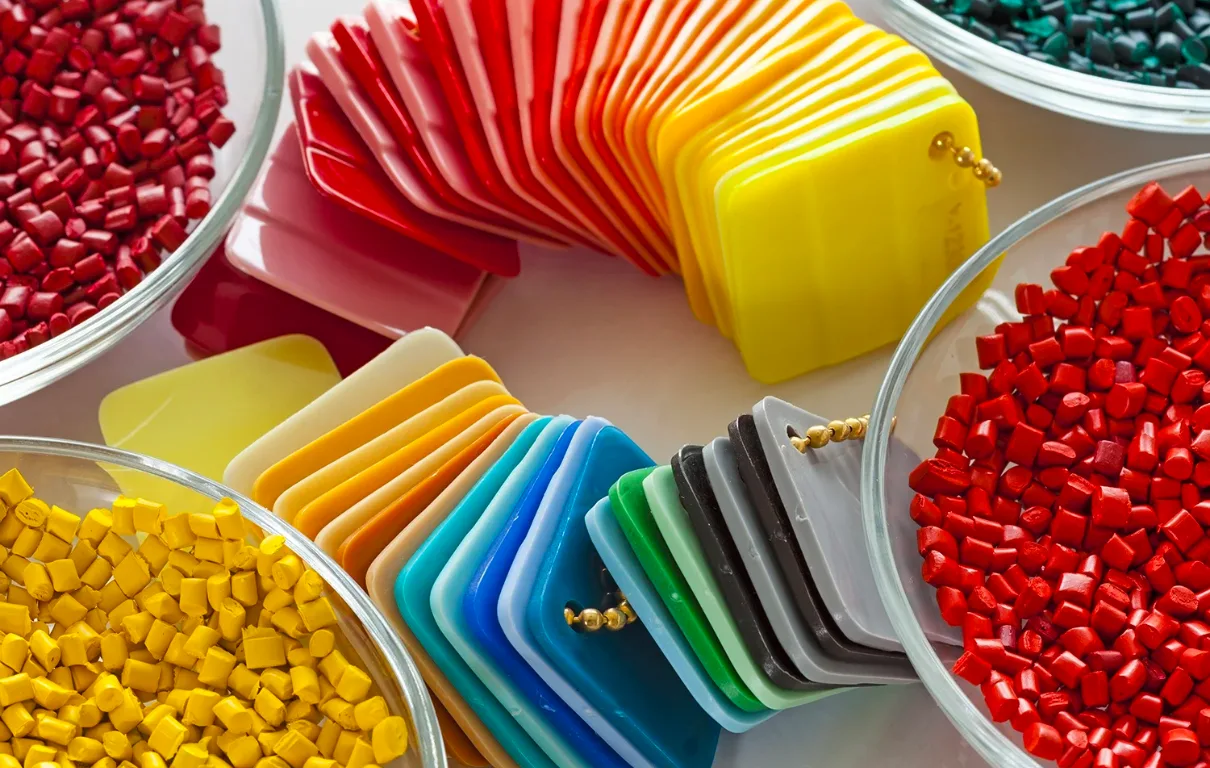
Tips and Tricks To Compounding Hemp Filler with Nylon
Hemp fiber is an incredible crop with a long history of performing in rigorous environments.
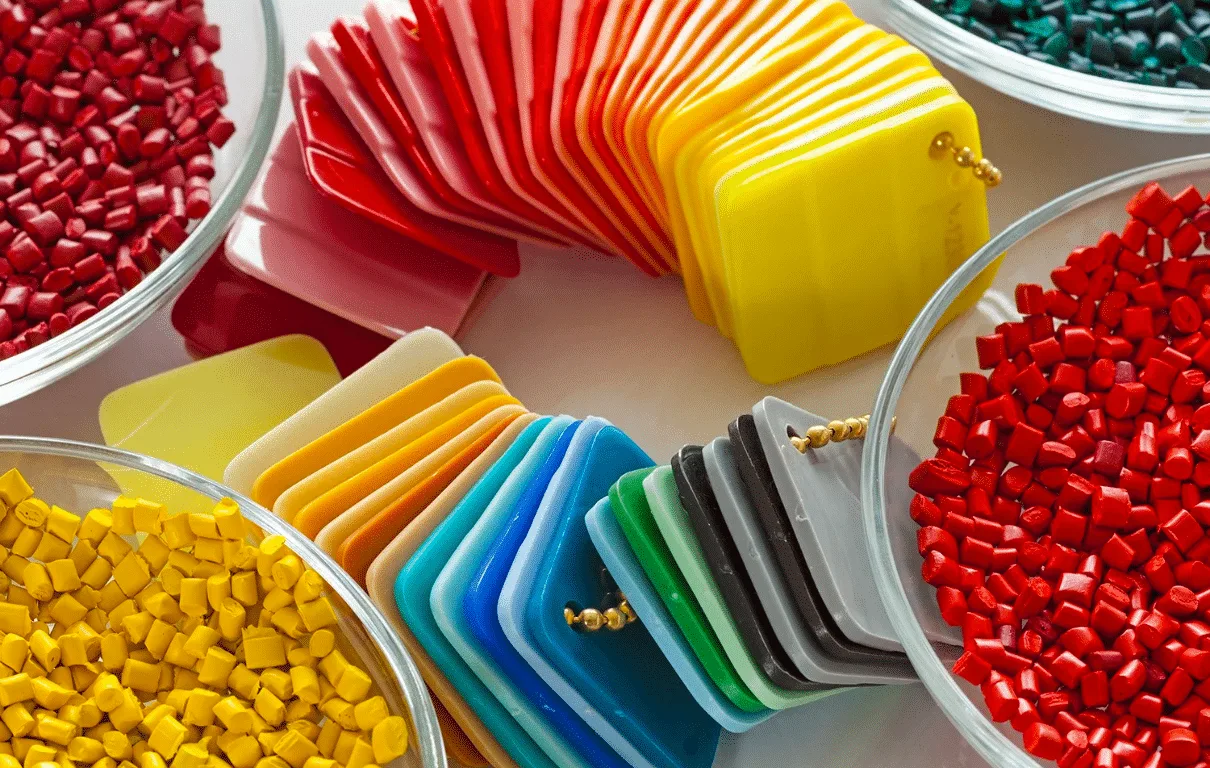
Tips and Tricks To Compounding Hemp Filler with Polyethylene
Hemp fiber is an incredible crop with a long history of performing in rigorous environments.
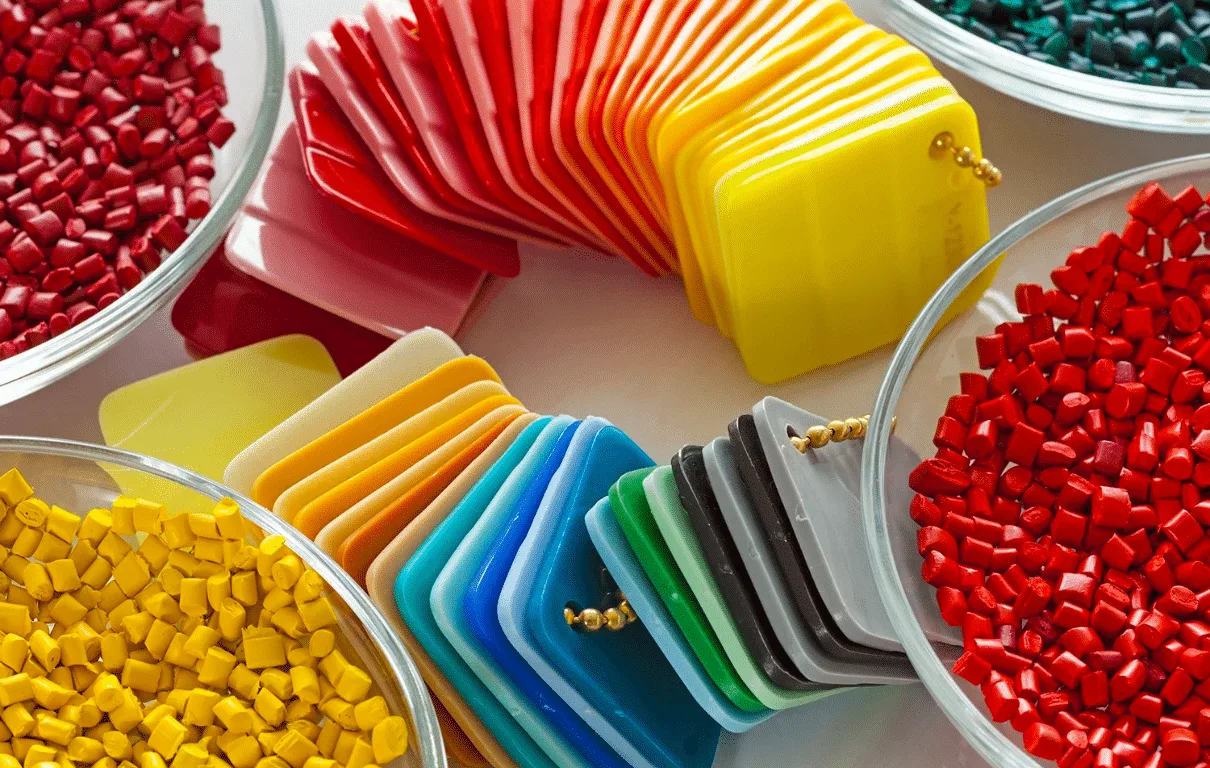
Tips and Tricks To Compounding Hemp Filler with Polypropylene
Hemp fiber is an incredible crop with a long history of performing in rigorous environments.

Tips and Tricks To Compounding Hemp Filler with PVC
Hemp fiber is an incredible crop with a long history of performing in rigorous environments.
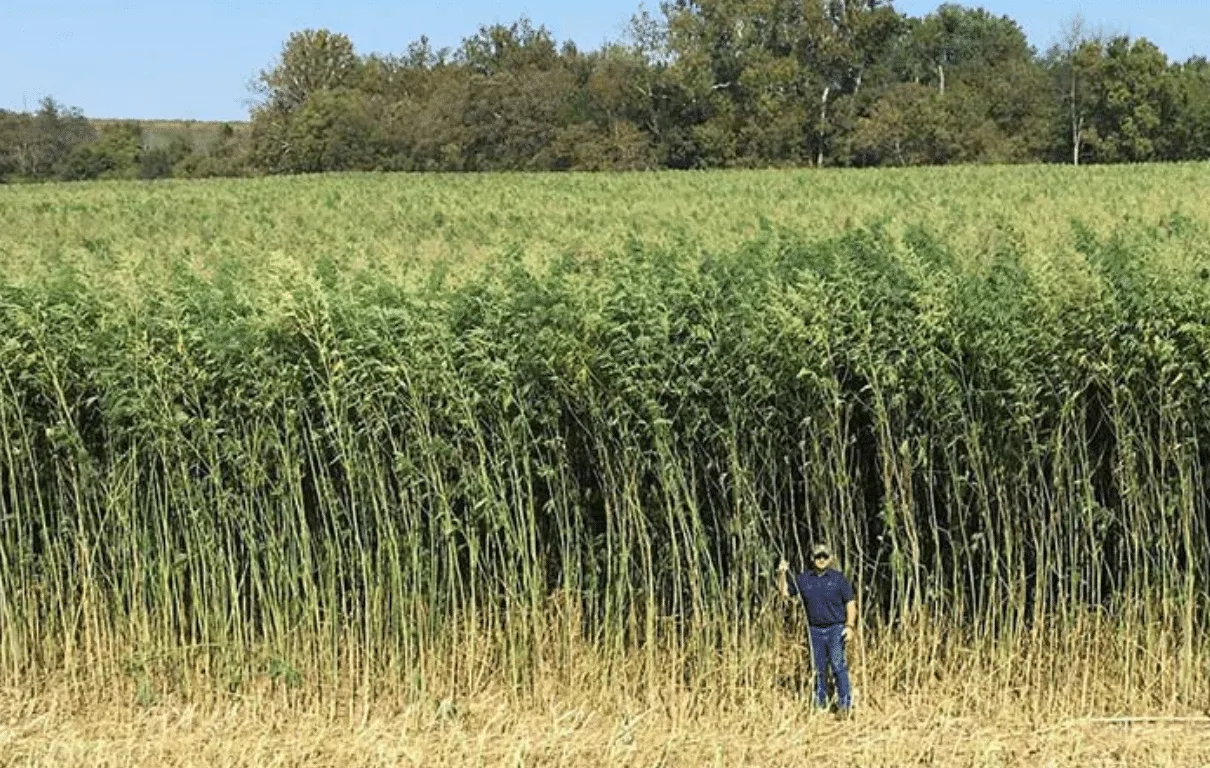
Imperium Filler vs Hemp Filler Performance & Cost Comparison
Hemp fibers exhibit remarkable tensile strength, making them extremely durable. Despite their strength, hemp fibers are relatively lightweight.

Opening Up the New Industrial Hemp Supply Chain in America
The 2018 Farm Bill had a significant impact on the industrial hemp supply chain in the United States.
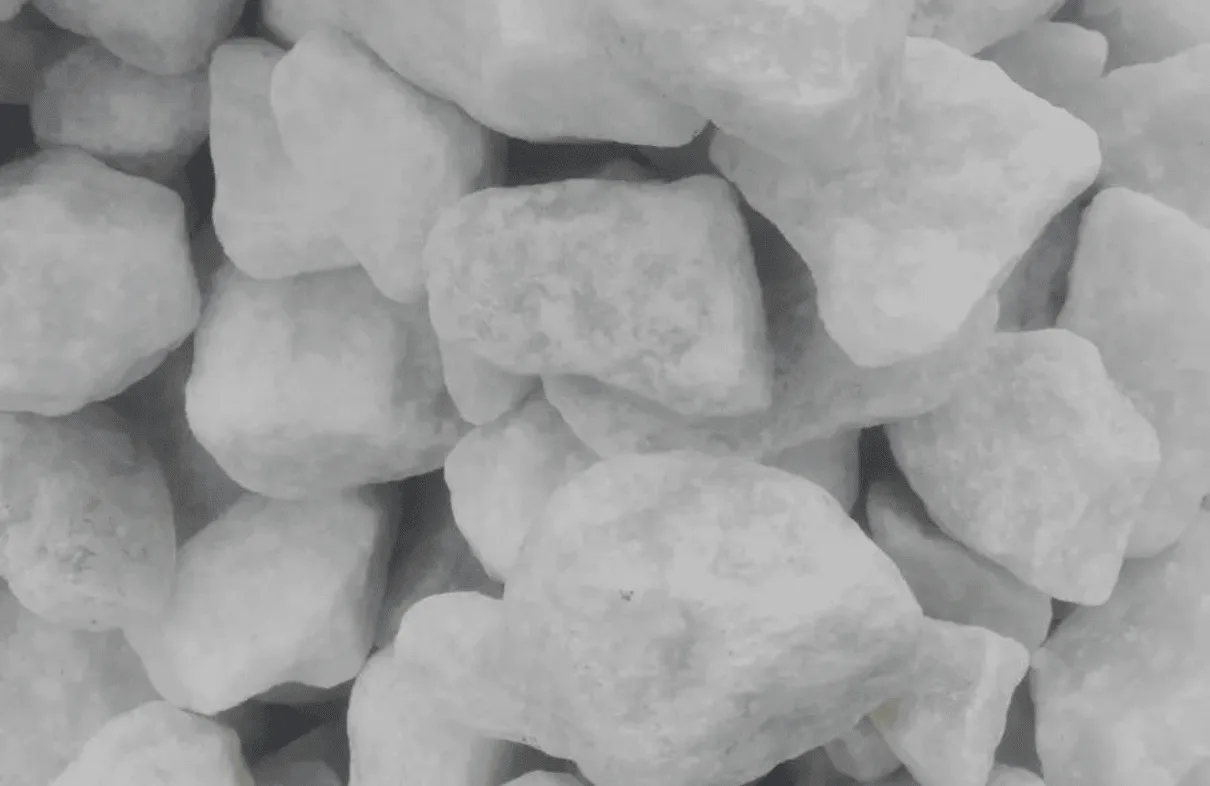
Alternative to Talc & Calcium Carbonate in Plastic: Hemp Additives
If you take a look around, you’ll see that plastics make up much of the world around you. However, very little of what you see is pure plastic.
An Open Letter In Support of High-Integrity Carbon Markets
The following letter was penned by Sylvera in response to the urgent need for the wide-spread adoption of carbon credits.
Industrial Packaging - The Best Business Entry Point for Sustainability
We hear the question a lot. “I want my company to be more sustainable, but where do I start?” It’s understandable.

Heartland Augments Glass Fiber in Plastics with Hemp Alternatives
Glass is one of the most common raw materials we see in use today. It can be made into anything from windows to tableware to furniture, and the list goes on.

The Benefits of Hemp Fiber Reinforced Polypropylene for the Automotive Industry
Heartland Industries produces hemp-reinforced polypropylene with our plastic additives that can be used in the automotive industry.
3 Important Questions to Ask Your Resin Supplier or Plastics Compounder
Plastic resin is one of the most commonly used raw materials in manufacturing across every industry. Today, plastic is used because it is strong, cheap (sometimes), and lightweight.
Resin Additives - The Move Towards Sustainable Bio-Based Materials
Resin (polymer) additives are a group of materials that are used as a binder to solidify resinous materials, which in raw form have the consistency of pitch or tar.
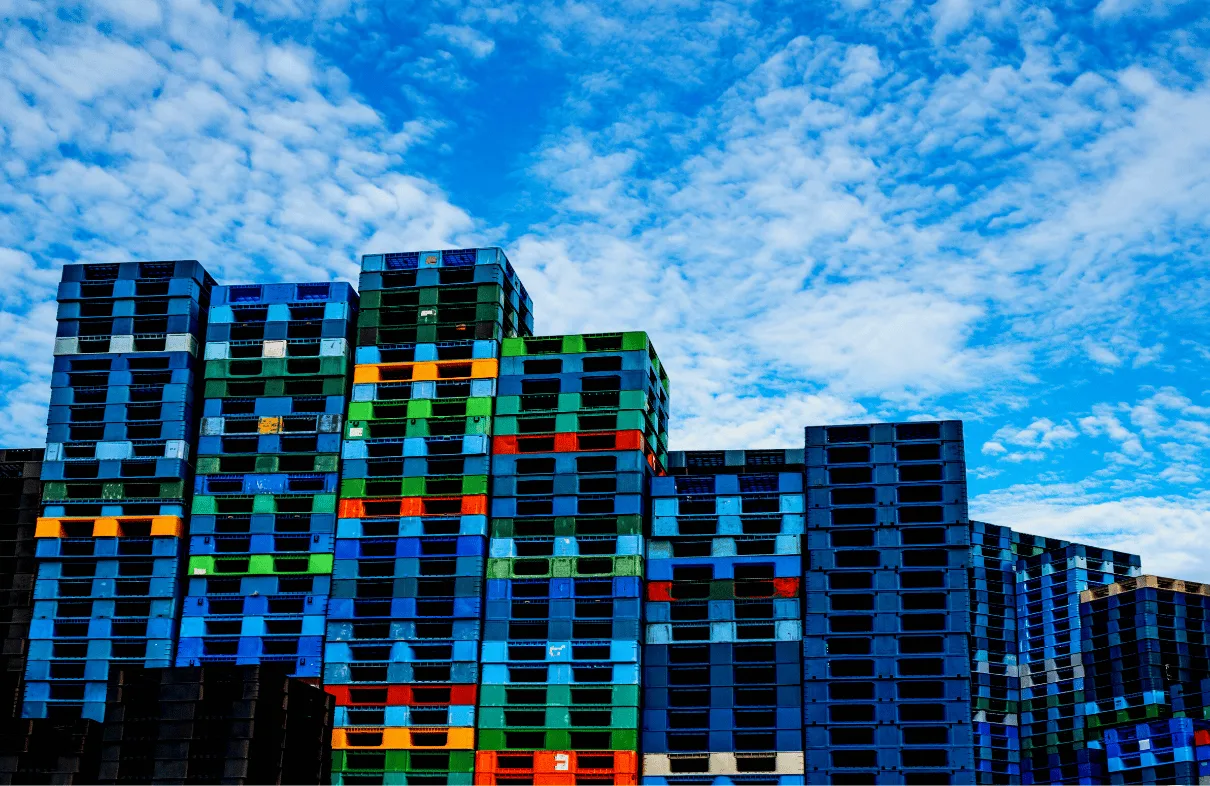
Hemp Additives Create A Blue Ocean in the Plastic Supply Chain
Industry-wide, people are starting to see successful applications for hemp-filled plastics. What was once revolutionary (any natural fiber-filled resin) is now starting to become normalized in manufacturing R&D labs.
Is The World Entering A Recycled Plastic Shortage? If So, Why?
Over the last decade, the push for people and companies to become more sustainable has been at the forefront of the conversation.
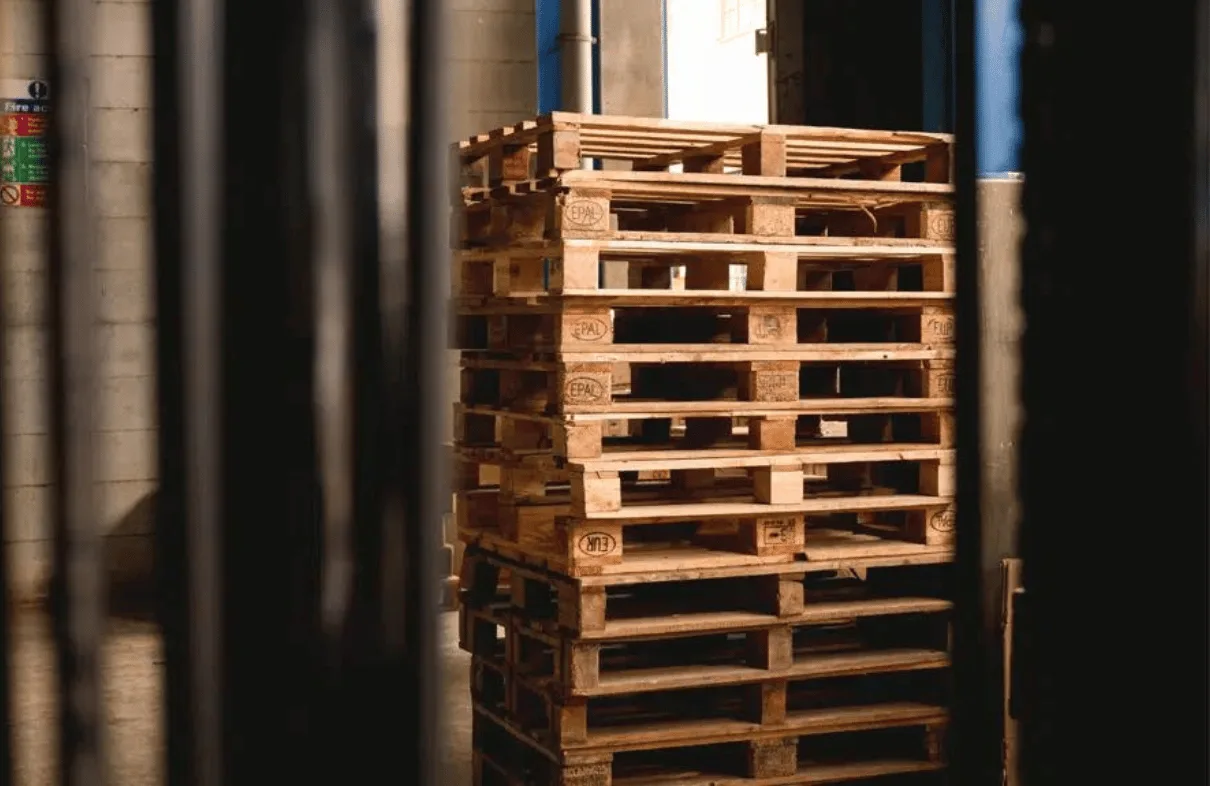
Sustainable Plastics for Industrial Packaging: Crates & Pallets
Industrial packaging — crates and pallets — is the entry point for sustainable plastics. How Imperium cuts cost and carbon in HDPE/PP.

Bio-Based Materials Stretch The Inventory of The Plastics Supply Chain
The plastics supply chain is in the middle of a massive, global change. When raw material costs increase, the people who typically feel it are the consumers.
Carbon Credits for the Global Industrial Hemp Value Chain
Carbon Credits are gaining interest in the industrial hemp marketplace, but not without significant confusion. It’s time to set the record straight.
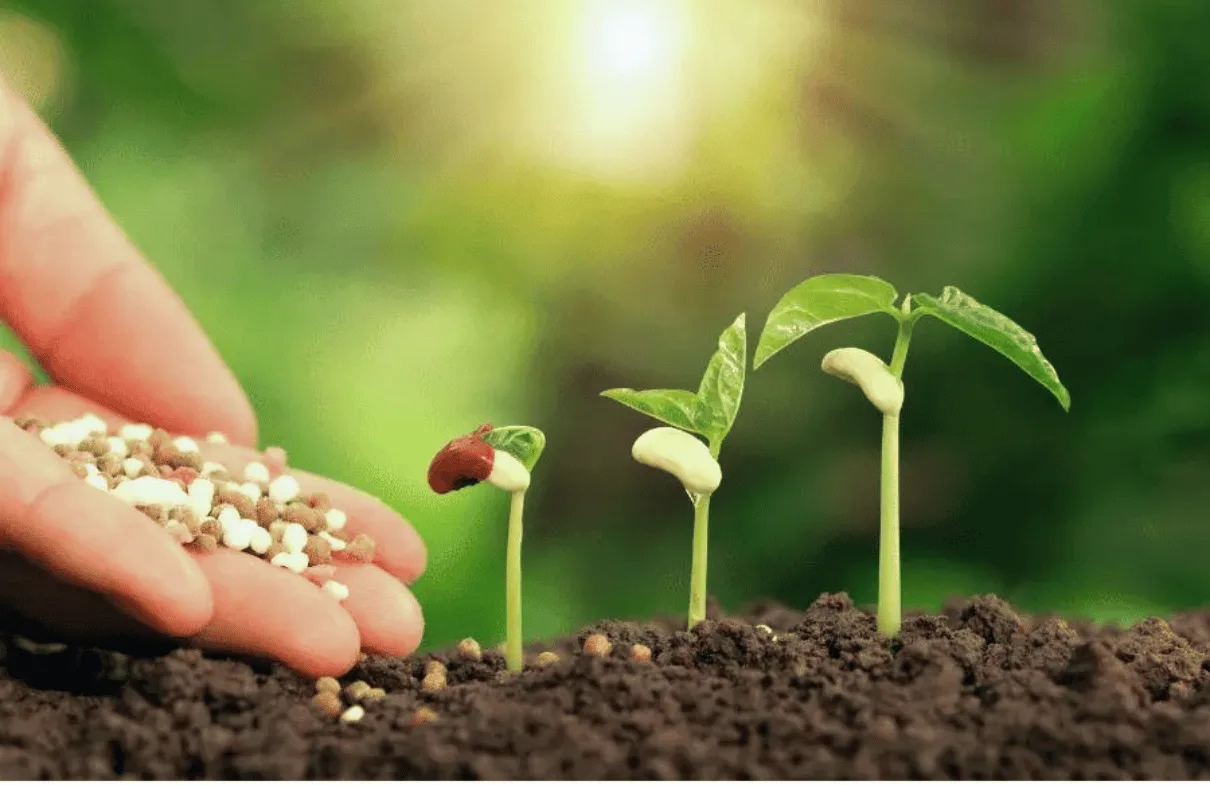
Carbon-Negative Materials: A Solution for Large Manufacturers
The top leaders in manufacturing all rely on the same raw materials. Most of the supply chains that provide these raw materials have been established for decades.
Heartland Wins Continental’s Material Innovation Challenge
Heartland Industries has won the innovation challenge for sustainable material solutions in manufacturing.

Hemp Amplifies The Output of Plastic Recycling Supply Chains
The recycling industry is currently booming. As the cost of virgin plastic shoots through the roof, the demand and price for recycled plastics are trending in the same direction.
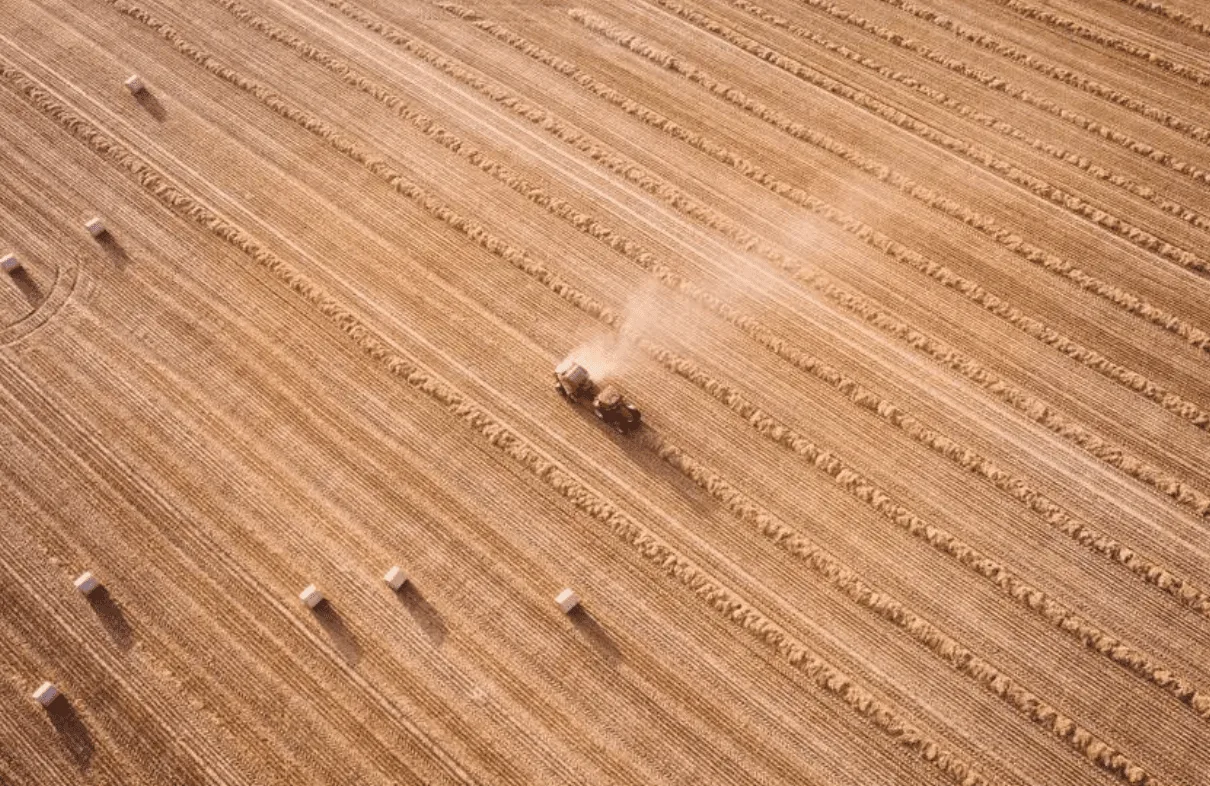
Hemp Based Materials Engineered As Additives For Polymers
The performance characteristics of hemp materials have been known for generations.

Hemp Reinforced Polypropylene Composites For Automotive
Heartland Industries produces carbon negative plastic additives to help companies reduce their carbon footprint..
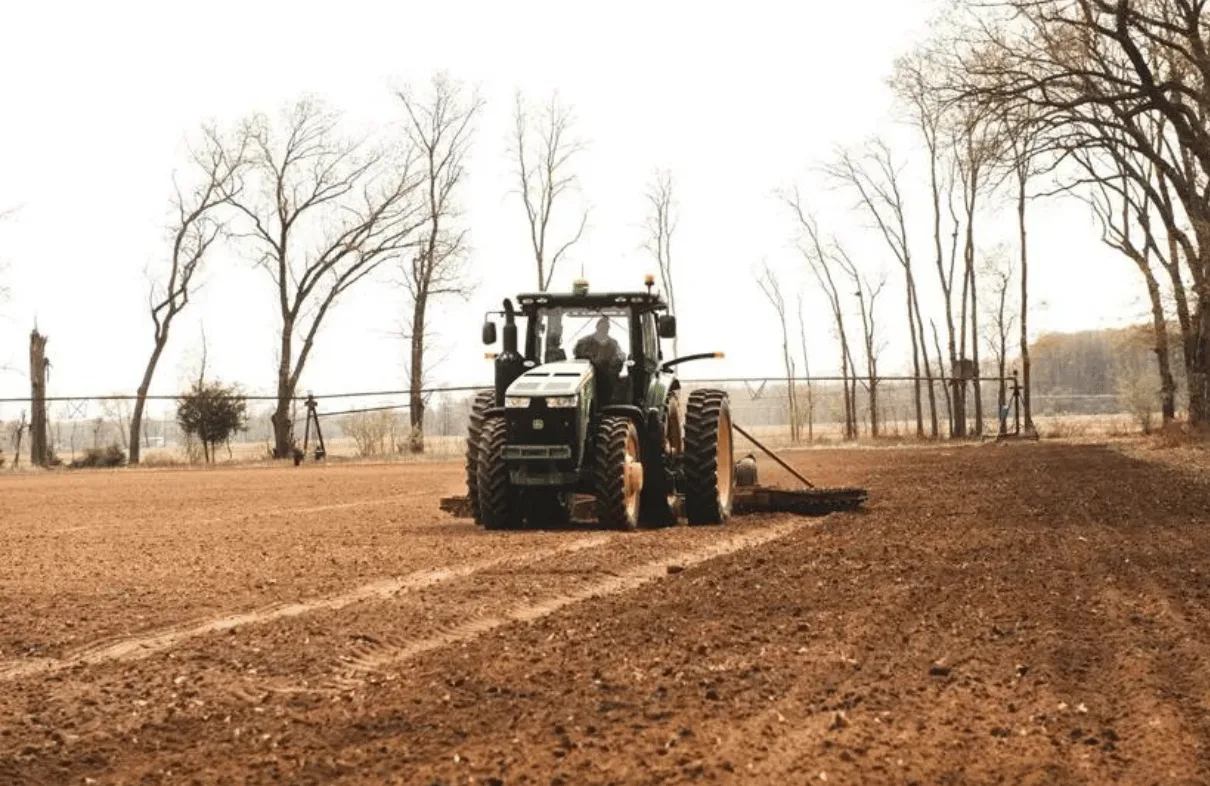
It is Industrial Hemp Planting Season for the Heartland Team
Heartland's Michigan hemp farm season: contracted acres, fiber harvest, and the agronomy behind a reliable US textile and filler supply.
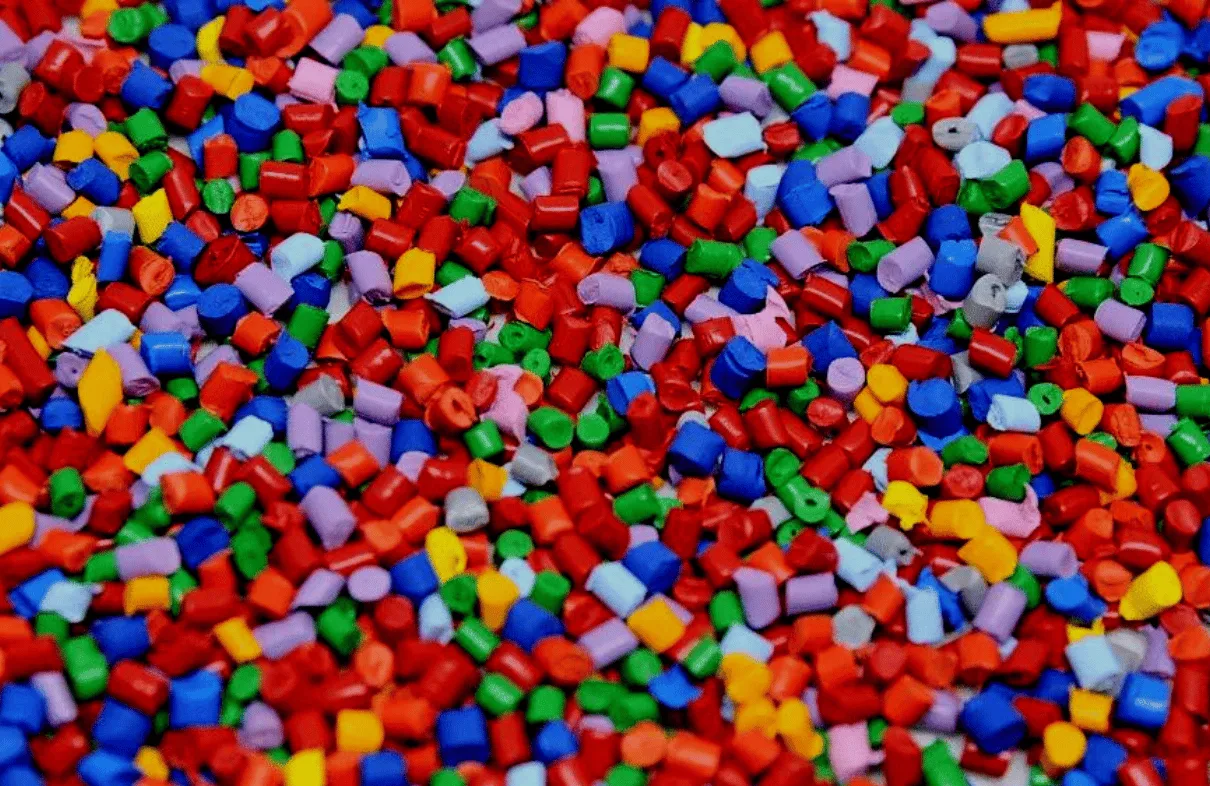
What is the Difference Between Bioplastics and Bio-Based Additives?
The story starts with petroleum and the number of markets that rely on it. Today, this is creating a bottleneck in American manufacturing.
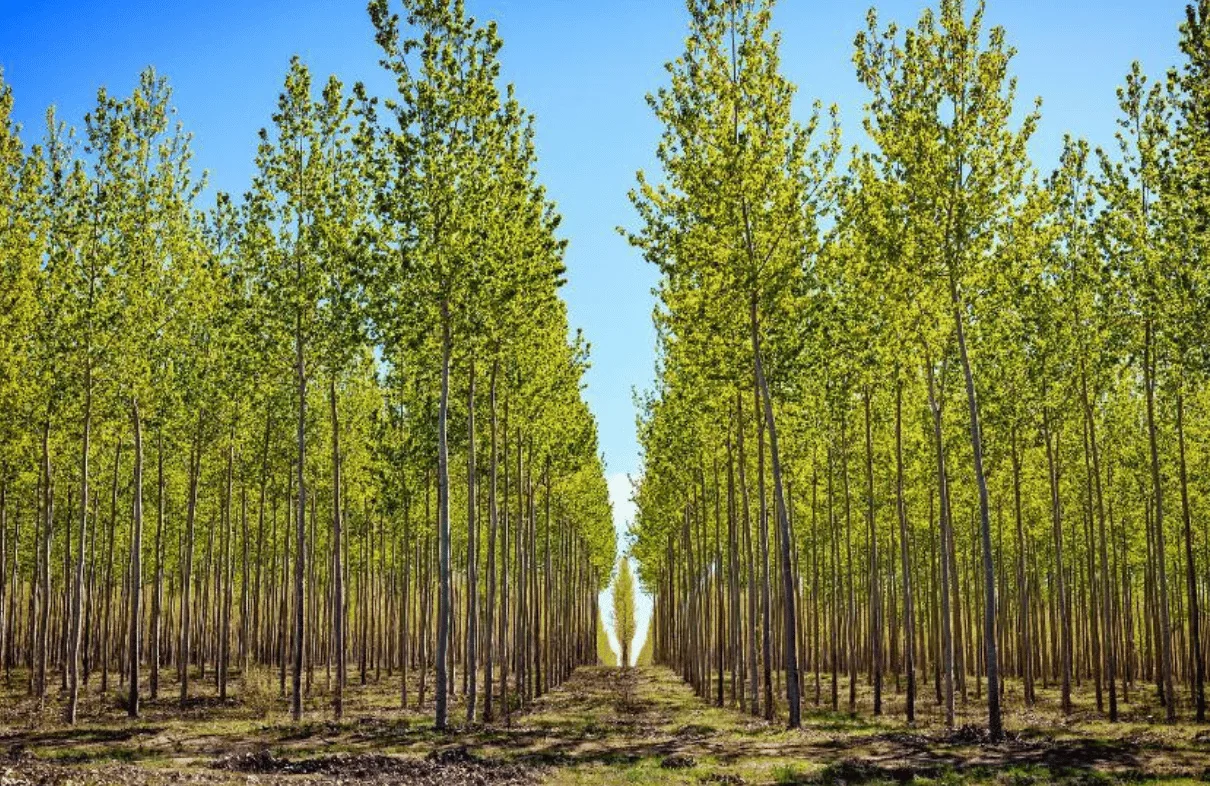
Wood Flour Alternatives - Why Cutting Down Trees Is Not Sustainable
Business leaders have been trying to figure out how to make plastics more sustainable for generations. Unfortunately, with regards to the materials we use on a daily basis this has driven us further away from the sustainable future we’

2022: The Year of Sustainability and ESG Mandates
The effects of 2020 are unquantifiable today. The implications on our health physically, mentally, emotionally, financially, and socially will unfold over the coming years.
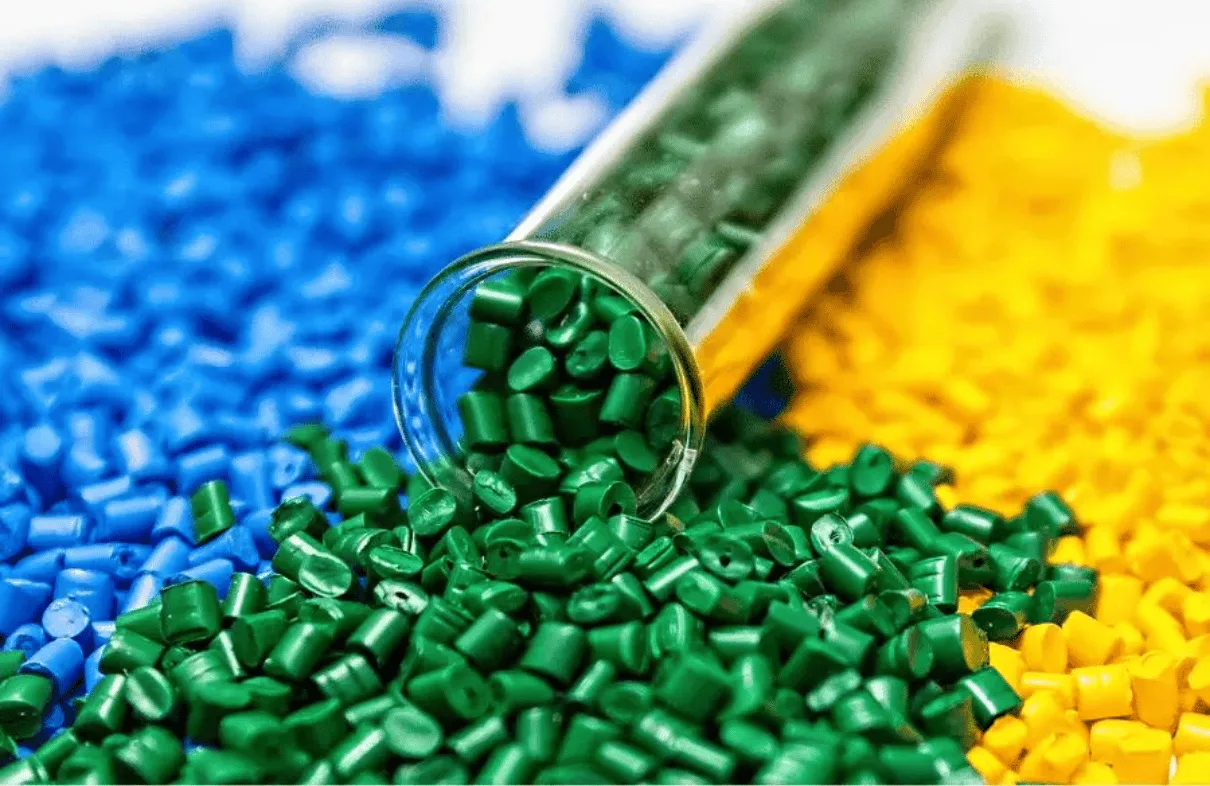
Heartland Hemp Additives Transform Plastic While Reducing Cost
The plastic market is a $568B annual revenue industry that has sprouted from nothing over the last four decades.

Heartland Augments Glass Fiber in Plastics with Hemp to Reduce Cost & Weight
Glass is one of the most common additives for plastics because it increases strength, durability, and performance.
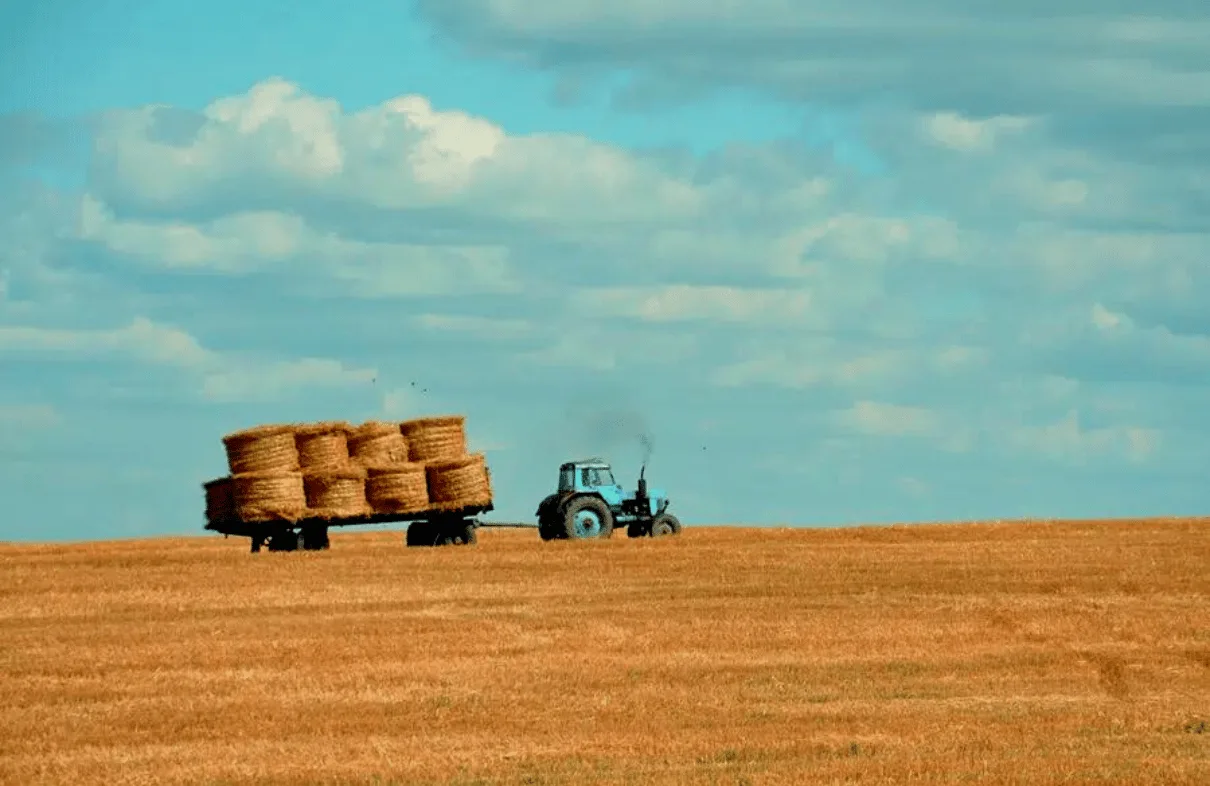
Heartland Industries Cracks The Code On Industrial Hemp Farming
American manufacturers have always known that hemp could help them build their products stronger, lighter, cheaper, and more sustainable.
Contact
Get In Touch
Talk to our materials science team — replies within one business day.