Can US-Grown Hemp Be Spun with Supima® Cotton?
Short answer
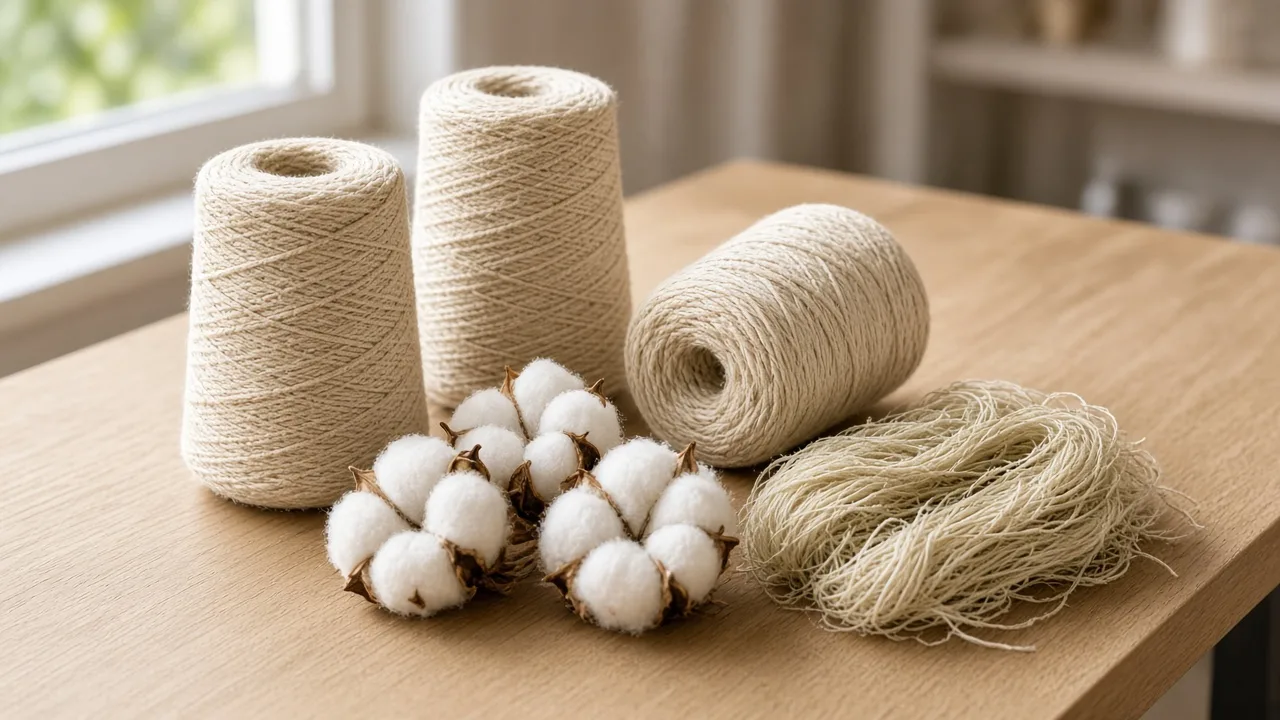
Yes. US-grown Imperium Fiber hemp can be ring-spun with Supima® cotton — and with other American extra-long-staple (ELS) Pima cottons — when the hemp is cut and prepared to a cotton-compatible staple and the blend sits in the 20–40% hemp band mills already run for hemp-cotton programs.
Supima® is the trademarked brand for American-grown Pima cotton. Heartland does not own that brand. This page is the mill brief: how American hemp and American ELS cotton share a spinning frame.
Product and samples: imperiumfiber.com. Yarn programs: Imperium Yarn. Fiber: Imperium Fibers · spin-ready white fiber.
Why mills ask this question
ELS cotton programs (Supima®, American Pima) sell on length, strength, and a fine hand that mid-staple upland cotton cannot match. Adding hemp used to sound like a downgrade — coarse bast fiber on a luxury cotton line.
That reading is outdated. Degummed, cut, and spun-ready American hemp behaves as a cellulosic staple, not as rope. On a cotton ring frame it is a strength and sustainability upgrade inside an ELS story, not a replacement for the cotton hand.
The commercial ask is usually one of these:
- Soften a hemp program without going full cotton.
- Add fiber strength and abrasion life to a Supima® jersey or sheet.
- Keep an American origin story end to end — US hemp acres + US ELS cotton.
What has to match for the blend to spin
| Parameter | What mills need | Heartland starting point |
| Staple length | Hemp cut into the cotton system's working length | Cotton-compatible cut for ring / compact spinning |
| Fiber prep | Degummed, opened, carded or combed with the cotton | Spin-ready Imperium Fiber |
| Blend ratio | Enough cotton for hand; enough hemp for strength | 20–40% Imperium hemp (most soft programs 20–30%) |
| Count band | Counts the mill already sells in cotton | 10s–38s singles; finer apparel/sheeting toward 24s–38s |
| Dye route | One cellulosic bath | Reactive — hemp and cotton are both cellulose |
The blend is not exotic chemistry. It is staple engineering. Get length and openness wrong and the frame stops. Get them right and the yarn runs like a cotton blend with a hemp backbone.
Supima® cotton + hemp: what the yarn is for
| End use | Typical hemp % | Count band | Why the blend |
| Premium tee / jersey | 20–30% | 24s–38s | ELS soft hand; hemp adds tensile and wash life |
| Fine sheeting / pillowcases | 20–30% | 30s–38s | Smooth face; hemp durability under hotel wash |
| Shirting | 25–35% | 24s–30s | Crisp structure without synthetic filament |
| Mid-weight knits / lounge | 30–40% | 16s–24s | More hemp character; still cotton-friendly dye |
For fabric weight outcomes from 24s/1 and 38s/1 cotton-hemp specifically, see What GSM can 24s/1 and 38s/1 cotton-hemp yarn produce?. For sheeting construction, see Can cotton-hemp yarn make 120–200 TC bed linen?.
What it is not
- Not a claim that every mill's Supima® license covers hemp blends. Brand and trademark use of Supima® is controlled by the Supima association and licensed growers/mills. Spec the fiber blend; clear brand naming separately.
- Not a filament substitute. This is spun staple. Match programs at fabric gsm and hand, not by copying a polyester denier line.
- Not a plastics LCA stamp. Do not put the Imperium Filler LCA number on a jersey. Textile claims stay farm + fiber + blend performance.
American acres on both sides of the blend
Heartland contracts US industrial hemp under regenerative programs — see regenerative agriculture practices and regenerative farming without pesticides. Supima® cotton is American-grown ELS by definition.
That combination is the sourcing story brands actually want: US hemp + US ELS cotton, spun and finished on mill equipment already spinning cotton. When spinning capacity sits in India and fabric returns to US brands, the logistics brief is US-grown hemp textile supply chain: USA → India → USA.
Sibling doors
| Intent | Page |
| Full hemp-cotton blend guide | Hemp-cotton blends: composition, uses, benefits |
| Fine-count GSM sheet | 24s/1 & 38s/1 cotton-hemp GSM |
| Bed linen / thread count | 120–200 TC cotton-hemp bed linen |
| Activewear fine counts (hemp-lyocell) | 40/1 and 40/2 hemp-lyocell yarn |
| Poly-cotton replacement framing | Polyhemp vs polycotton |
| Product | imperiumfiber.com · Imperium Yarn |
How to sample a Supima® + hemp program
- Name the incumbent SKU — "Supima® jersey tee" or "ELS cotton sheet" tells us the count and hand target.
- Lock the blend — start 20–30% Imperium hemp for soft programs; raise toward 40% if strength and dryness matter more than maximum cotton face.
- Pick the count — 24s–38s for apparel and sheeting; coarser only if the garment wants it.
- Knit or weave against the incumbent — gsm, pilling, wash shrinkage, shade depth on reactive dye.
- Order — fiber, yarn, fabric at imperiumfiber.com. Programs: contact or hello@heartland.io.
Bottom line
US-grown hemp and Supima® cotton are a compatible American cellulose blend when staple prep and ratio are mill-correct. Heartland supplies the hemp side as spin-ready Imperium Fiber; licensed cotton partners supply the ELS cotton. The frame does not need reinvention — the fiber brief does.
Library: hemp-cotton blends guide · 24s/1 & 38s/1 GSM · USA → India → USA supply chain · sustainability news.
Quick answers