Why Polyester and Nylon Clothes Create Static (And Hemp Does Not)
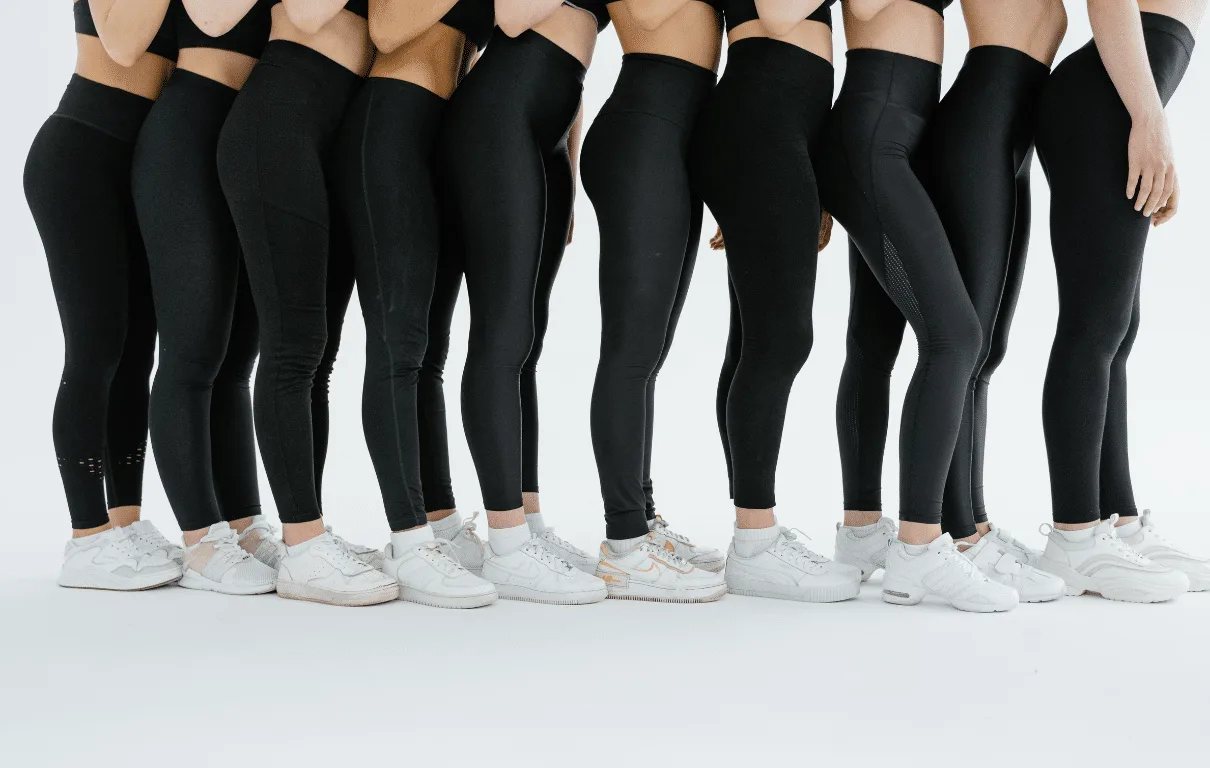
Why do polyester and nylon clothes create static?
Polyester and nylon create static because they are hydrophobic synthetics that do not hold enough water to bleed off electric charge. When the fabric rubs skin, other garments, or itself, electrons move (the triboelectric effect). Charge builds. You feel cling, sparks, and hair lift — especially in dry winter air.
Typical moisture regain:
| Fiber | Approx. moisture regain |
| Polyester | ~0.4% |
| Nylon | ~4% |
| Cotton | ~7–8% |
| Hemp | ~8–12% |
Water molecules in the fiber help conduct and neutralize charge. Polyester barely has any. Nylon has more than polyester but far less than bast fibers. That is why synthetic activewear sparks in dry rooms and natural knits usually do not.
Deep science on whether that static environment ties to oxidative stress / ROS next to skin: oxidative stress from polyester & nylon clothing static. This page is the short mechanism answer.
Is static just annoying — or a materials problem?
For most wearers, static is comfort and cling. For brands, it is a materials signal: the same hydrophobicity that makes polyester "dry" also makes it a charge battery. Pair that with microplastic shed in the wash (health impact of polyester, nylon microplastics in laundry) and the case for leaving petroleum filament gets clearer.
Heartland does not sell an antistatic spray. We sell a different yarn.
The Imperium Fiber answer
Imperium Fiber is American hemp — spin-ready fiber, yarn, and fabric — with the moisture regain that dissipates charge. Spec:
- Next-to-skin soft programs: hemp and Tencel (lyocell) at 20–50% Imperium.
- Nylon-class jobs: Nylon Imperium and nylon alternative.
- How to replace nylon in activewear: replacing nylon with hemp & lyocell.
Buy: imperiumfiber.com. Company: Imperium Fibers · contact.
Quick answers