Oxidative Stress From Polyester & Nylon Clothing Static
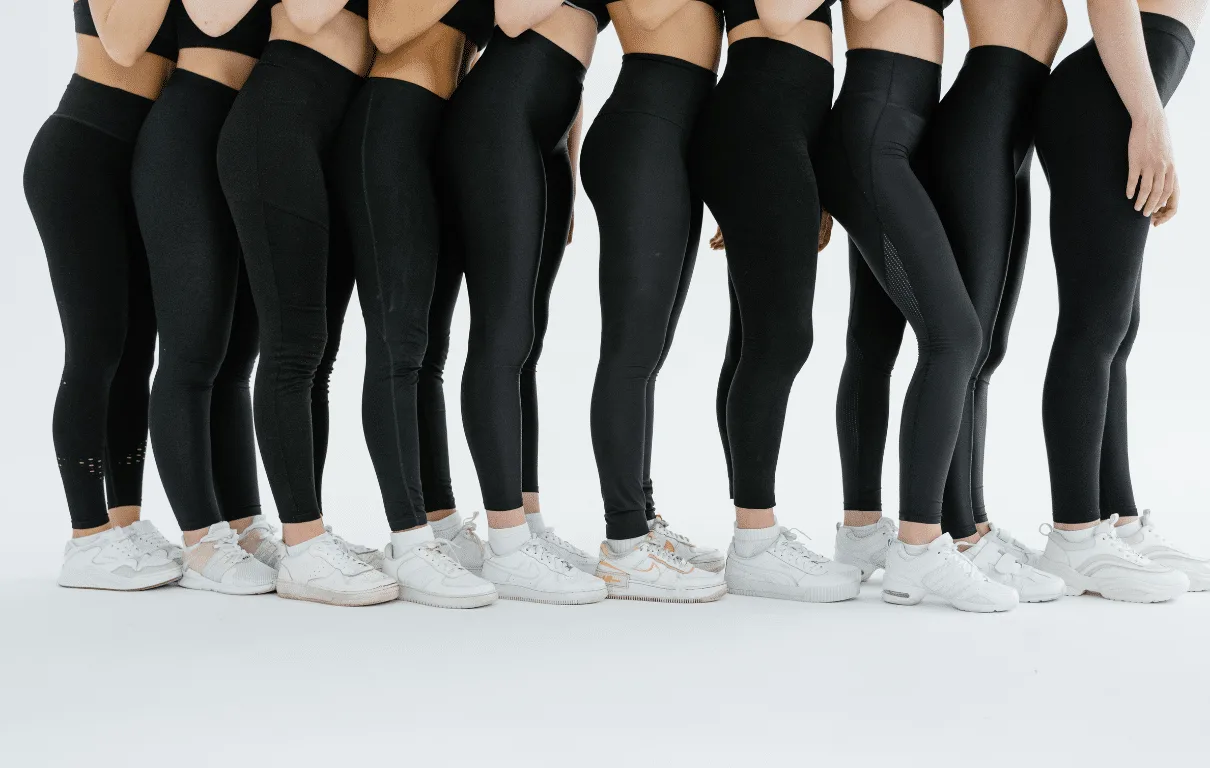
Polyester and nylon win activewear on stretch and dry-time. They also build static — and that electrostatic environment next to skin is where oxidative-stress research starts to matter for apparel brands.
Heartland's response is cellulosic: Imperium Fiber — American hemp yarn and fabric with high moisture regain that dissipates charge. Buy product at imperiumfiber.com. Company path: Imperium Fibers.
For the short "why do synthetics spark?" answer, see why polyester and nylon clothes create static. For microplastics and finishing chemistry, see health impact of polyester. This page is the oxidative-stress deep dive.
What Is Oxidative Stress, And How Does That Impact The Human Body?
Oxidative stress and damage disrupt cell function, contributing to aging and diseases such as cancer, cardiovascular disorders, and neurodegenerative conditions like Alzheimer’s. For example, lipid peroxidation from ROS can impair cell membranes, while DNA damage may increase mutation risks, potentially leading to tumorigenesis.
Oxidative stress occurs when there’s an imbalance between reactive oxygen species (ROS), like free radicals, and the body’s antioxidant defenses, leading to cellular damage. ROS, produced during metabolism or triggered by external factors like pollution, UV radiation, or static electricity, are highly reactive molecules that can oxidize proteins, lipids, and DNA.
Antioxidants, such as glutathione and vitamins C and E, neutralize ROS, but chronic overwhelm (e.g., from poor diet or inflammation) depletes these defenses. In muscles, excessive oxidative stress can delay recovery and reduce growth by impairing protein synthesis, as seen in overtrained athletes.
Hormonally, it may disrupt signaling pathways, like insulin or cortisol regulation, exacerbating metabolic disorders. Managing oxidative stress through diet, exercise, and environmental control is crucial to mitigating its impact on health and longevity.
How Does Static Electricity Create Oxidative Stress On The Human Body?
Animal studies on rats exposed to static electricity (0.3-1.9 kV/m), show transient increases in lipid peroxidation and antioxidant enzyme activity (e.g., SOD up 20-50%), suggesting oxidative stress responses in tissues like the spleen or liver.
How does this happen?
Static electricity may contribute to oxidative stress in the human body by generating reactive oxygen species (ROS) through electron transfer during electrostatic discharge (ESD). When static charge builds up, particularly from synthetic fabrics like nylon or polyester, it can create localized electric fields that interact with skin cells, potentially triggering ROS production.
These ROS, including free radicals, can damage cell membranes and DNA if antioxidant defenses (e.g., glutathione) are overwhelmed, though effects are often secondary to sensory stress.
Why Do Polyester & Nylon Clothing Create Static Electricity?
Polyester and nylon clothing generate static electricity due to their synthetic, hydrophobic nature, which makes them prone to accumulating electric charge through the triboelectric effect.
When these fabrics rub against skin, other materials, or themselves, electrons transfer, creating a charge imbalance—nylon and polyester rank low on the triboelectric series, readily gaining electrons and becoming negatively charged. Their low moisture regain (nylon ~4%, polyester ~0.4%) prevents charge dissipation, as they lack the water molecules natural fibers like hemp (8-12% regain) use to conduct and neutralize static.
Dry environments, common in winter, exacerbate this by reducing ambient humidity, further limiting dissipation and causing cling or sparks. For example, nylon activewear can produce noticeable static during movement, attracting dust or causing hair to stand. Polyester’s smooth, non-porous fibers enhance friction, amplifying charge buildup compared to rougher natural fibers.
Full mechanism FAQ: why polyester and nylon clothes create static.
Are There Alternatives To Nylon or Polyester With The Same Benefits?
Yes. Brands need stretch, durability, and moisture-wicking without the hydrophobic static trap.
Imperium Fiber is Heartland's American hemp textile — spin-ready fiber, yarn, and fabric. Hemp–elastane programs deliver four-way stretch comparable to nylon-lycra for leggings and yoga; hemp and Tencel (lyocell) blends (20–50% Imperium) cover next-to-skin soft programs. Nylon-class jobs: Nylon Imperium and the comparison page nylon alternative.
Hemp's 8–12% moisture regain dissipates charge that polyester (~0.4%) holds. That is the antistatic materials story — not a drug claim. Antimicrobial and thermo-regulating hand help odor and comfort in sweat-heavy sessions without the synthetic static spike.
Where to buy: imperiumfiber.com. Company programs: Imperium Fibers, Imperium Yarn, contact.
Cluster map
| Question | Page |
| Static mechanism (short) | Why polyester & nylon create static |
| Oxidative stress science | This page |
| Polyester health / microplastics | Health impact of polyester |
| Leave nylon in the yarn | Replace nylon with hemp & lyocell |
| Product | imperiumfiber.com |
Quick answers