Why Swap Nylon for Imperium Hemp Yarn and Fabric
The nylon jobs worth swapping
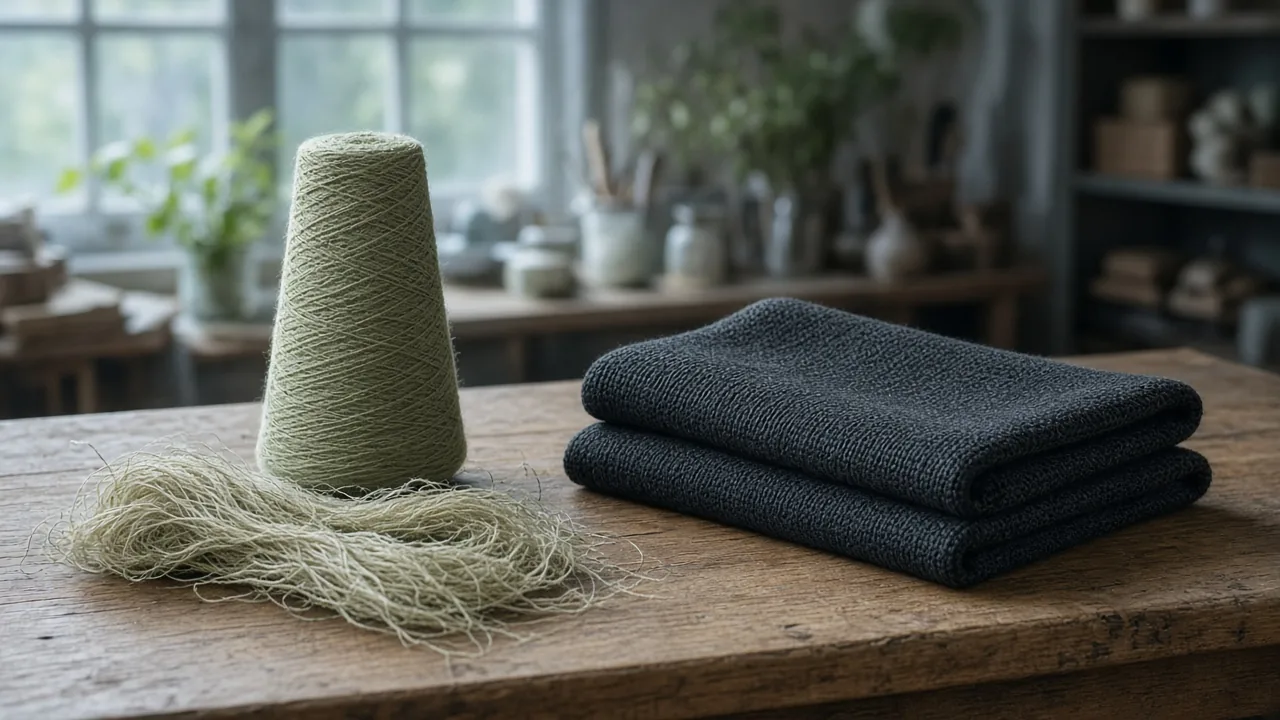
Nylon won swim, leggings, and tights because it is strong, chlorine-tolerant, and cheap. Those are the jobs a brand can move onto Imperium Fiber yarn and fabric. Pack cloth, parachute cloth, and conveyor belts stay nylon. This page is the skin-contact swap: the cone and the cloth together.
The named product is Nylon Imperium. The head-to-head is the nylon alternative. The construction write-up is replacing nylon with hemp and lyocell. The laundry path is nylon microplastics in the wash. The count sheet is 40/2 and 40/1 hemp-lyocell yarn.
On the product journal, the cone is Wellness Yarn Instead of Nylon and the cloth is Wellness Fabric Instead of Nylon. The index is Imperium Fiber Learn.
Performance
Drop-in. Knit lines that already run nylon-blend or cellulosic programs keep those frames. Ring spinning, circular knitting, and cellulosic dye houses stay. You are swapping the body yarn.
The activewear and swim cone is plied 40/2 hemp-lyocell, Ne 20 resultant, with 20–50% Imperium hemp. One ply covers a sports bra through a studio pant when the purchase order names the garment. Activewear uses that ply for compression and low torque. Swim uses the same yarn family at 160–220 gsm, interlock or double knit, so opacity holds when the suit is wet and stretched. Borrowing a tee weight to hit a price misses the job.
Hemp brings tenacity. Lyocell (Tencel where the program requires the brand) brings hand and wet strength. Tensile in refined yarns approaches nylon. It is still closing the last gap to virgin nylon, so the spec says approaching. Treated hemp in Heartland's swim and outdoor work holds strength and color in salt water and chlorinated pools in line with nylon-spandex blends, with UV retention that beats untreated nylon. Wicking is faster than cotton, dry-time sits in the nylon neighborhood, and the cloth runs cooler in humidity because hemp breathes. The blend background is hemp and Tencel fabric.
Four-way recovery still uses elastane, disclosed by percentage. A high-support bra takes more. A studio pant takes less. The elastane percent stays on the ticket, where a nylon program already prints it. The body of the cloth is hemp-lyocell.
Moisture regain is why the hand feels different in a dry room. Hemp sits around 8–12%. Nylon sits around 4%. Water in the fiber lets charge move, which is why a nylon kit sparks and a bast-fiber knit usually does not. That mechanism is why polyester and nylon clothes create static.
What the wash stops carrying
Nylon is plastic filament. Every wash of nylon activewear, hosiery, and swim blends moves synthetic microfiber into wastewater.
The EPA Trash Free Waters note is blunt: most clothing is polyester, nylon, or acrylic, and the wash sheds microfibers. Those fibers are the most common microplastic in the environment. Polyester gets more headlines. Nylon is the same class. Nature Communications (2024) puts fiber shedding from laundering synthetic textiles at 4% to 35% of primary microplastic emissions to water.
A hemp-lyocell body has no nylon filament to shed. Plant-fiber lint in the wash is cellulose. Elastane written on the ticket is the stretch line. The cloth definition, including why a nylon jersey cannot wear the wellness name, is What Is Wellness Fabric?.
Cost
The capital you skip is a new factory. The line items that change are the cone, the gsm, and the elastane percent.
American contracted acres supply the hemp fraction, so that share of the yarn does not wait on a port. Farmer education, seed, harvest, storage, and a buyer for the bale are at the Hemp Fiber and Grain Association. Mill programs sit on Imperium Yarn and Imperium Fabric. Samples and volume are at imperiumfiber.com. Company programs start at contact.
If the incumbent style is a nylon-polyester blend, the same hemp-lyocell cone can take the nylon half and the polyester half of the body. The polyester reason is why swap polyester for Imperium hemp yarn and fabric.
Carbon, inside the boundary
Do not stamp the Imperium Filler LCA on a suit. That figure — 1 kg of filler removes 2.85 kg CO2e — is farm-to-filler for plastic additives. A jersey is outside that boundary.
What you can say: the hemp is American industrial hemp in Engineering Earth rotations, grown with no pesticides and far less water than cotton. USDA NASS, 2025 cotton chemical use: herbicides went on 88% of planted cotton acres and insecticides on 39%. And the garment does not put nylon filament in the body, so the wash does not add that microfiber to the load.
What the purchase order names
| Job | Nylon today | Imperium swap |
| Swim | Nylon-spandex | 40/2 hemp-lyocell at 160–220 gsm, elastane disclosed |
| Leggings, bras, tanks | Nylon filament body | 40/2 hemp-lyocell, Ne 20 resultant |
| Four-way stretch | Nylon-lycra story | Elastane percent on the ticket |
| Pack cloth, belts, parachute | Nylon | Stays nylon. Not this swap |
Write hemp-lyocell, the count or the swim gsm band, and the elastane percent. Then send mill leads to the replacing-nylon page and wearer-facing copy to the nylon-alternative page. They describe the same cloth.
Back to the library: sustainability news. Heartland's company path is Imperium Fibers.
Quick answers